


 Contact Us


 Other Insurance
Health Benefits of Vitamin P

Date: Aug 11, 2026 - Last Modified Aug 11, 2026


Did you know that Vitamin P is not actually a vitamin? It is an older term used for flavonoids, also known as bioflavonoids, a group of naturally occurring plant compounds. Found in foods such as citrus fruits, berries, apples, green tea, and leafy vegetables, flavonoids may support heart, brain, eye, and immune health as part of a balanced diet.
Key Health Benefits of Vitamin P
Vitamin P or flavonoid health benefits are largely linked to their antioxidant and anti-inflammatory properties. Here are some potential benefits of flavonoids:
1. May Support Blood Sugar Management
The uses of flavonoids may include supporting healthy blood sugar levels. Some flavonoid-rich foods may help support insulin sensitivity and glucose metabolism when included as part of a balanced diet.
2. Can Support Cardiovascular Health
Flavonoids such as anthocyanins, flavones, flavanols, flavan-3-ols, and flavanones may support healthy blood vessel function. Their antioxidant properties may also contribute to overall heart health.
3. May Support Brain Health
Some research has explored the vitamin P benefits associated with flavonoid-rich foods such as cocoa. Flavonoids can support healthy blood flow and cognitive function, although more research is needed to understand their long-term effects.
4. May Help Manage Inflammation
Flavonoids have antioxidant and anti-inflammatory properties. They may help protect cells from oxidative stress and support the body's normal inflammatory response.
5. Can Support Eye Health
Rutin and hesperidin flavonoid health benefits may include supporting healthy blood vessels, including those in the eyes. However, flavonoids should not be considered a way to prevent or treat eye conditions.
6. May Support Immune Health
One of the vitamin P uses is its role as a source of antioxidant compounds. Flavonoids can help protect cells against oxidative stress and may support normal immune function.
7. May Help Protect Cells
Some flavonoid health benefits are linked to their antioxidant activity, which can help protect cells from oxidative damage. Research continues to explore how flavonoids may contribute to long-term health, but they should not be considered a means of preventing cancer.
Sources of Vitamin P
Vitamin P, or flavonoids, occurs naturally in many fruits, vegetables, and beverages. Some common dietary sources include:
Citrus Fruits: Oranges, lemons, and grapefruits contain flavonoids such as hesperidin and naringenin.
Apples: Apple skin is a good source of quercetin, a commonly occurring flavonoid.
Berries: Strawberries, blueberries, blackberries, and raspberries provide flavonoids, particularly anthocyanins.
Green Tea: It contains catechins, a group of flavonoids known for their antioxidant properties.
Leafy Greens: Vegetables such as kale and spinach contain flavonoids, including quercetin.
Possible Side Effects of Vitamin P
While there are several notable bioflavonoids benefits, high intakes, particularly from supplements, may cause side effects in some people. These can include:
Digestive discomfort, such as nausea or diarrhoea.
Headaches or other mild reactions in some individuals.
Interactions with certain medicines when taken in concentrated supplement form.
Note: Flavonoids obtained naturally from fruits and vegetables are generally considered safe as part of a balanced diet.
From Everyday Nutrition to Health Preparedness
Foods rich in flavonoids can add valuable nutrients and plant compounds to your everyday diet. However, good nutrition is only one part of taking care of yourself. Health insurance adds another layer of preparedness by helping you manage the financial impact of unexpected medical needs.
SBI General Insurance offers plans such as SBI General Health Alpha and Super Health Insurance for different healthcare requirements. Access to 18,000+ network hospitals can make cashless treatment more convenient, while 24×7 customer support provides assistance when required. You can also raise and track claims through the SBI General Insurance Mobile App.
Conclusion
Including bioflavonoids through a variety of fruits, vegetables, and other plant-based foods can support overall well-being. However, further research is needed to confirm some of the potential flavonoids health benefits. Individuals with specific food allergies should consult a healthcare professional before significantly increasing their intake of Vitamin P-rich foods.
Note: This article is for informational purposes only and is not medical advice. Consult a qualified healthcare professional for diagnosis or treatment decisions.
FAQs
1. Which compounds are commonly referred to as Vitamin P?
Vitamin P are plant compounds called bioflavonoids. They include quercetin, rutin, hesperidin, catechins, anthocyanins, and naringenin, known for their antioxidant properties.
2. What foods are rich in Vitamin P or bioflavonoids?
Citrus fruits, berries, apples, green tea, broccoli, kale, spinach, are some foods rich in flavonoids.
3. Does Vitamin P have antioxidant properties?
Yes, one of the key benefits of Vitamin P is its antioxidant activity, which helps combat free radicals and support overall health.
4. Can Vitamin P support blood vessel health?
Yes, bioflavonoids may help strengthen blood vessel walls, improve circulation, and support capillary health. These effects may contribute to better cardiovascular and eye health.
5. Does Vitamin P help the body use vitamin C?
Yes, Vitamin P is believed to enhance the absorption and effectiveness of vitamin C while protecting it from oxidation. Together, they may support collagen production, immunity, and healthy blood vessels.
6. What are the signs of low bioflavonoid intake?
There is no recognised deficiency of Vitamin P. However, a diet low in bioflavonoids may be associated with reduced antioxidant intake, which could contribute to weakened blood vessel health, increased oxidative stress, and lower overall dietary quality over time.
This blog is intended solely for educational and informational purposes. Content reflects data at time of publication and may not accurately reflect current premiums, terms, or regulations. Readers are encouraged to confirm the accuracy and relevance of the data before making any significant decisions. SBI General Insurance disclaims responsibility for any errors or consequences arising from the use of outdated information provided herein. For more details, please refer to the policy wordings and prospectus before concluding the sales. *Add-ons are subject to payment of additional premium.
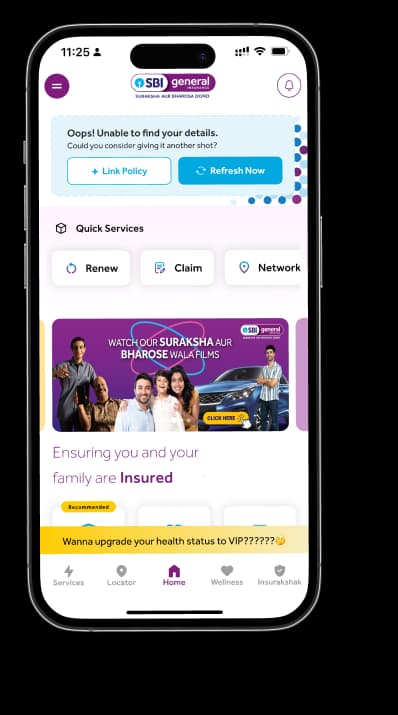
Access and manage all your Insurance Needs in one place, right at your Fingertips.



4/5*
Access and manage all your Insurance Needs in one place, right at your Fingertips.


Vision
Our vision is to become the most trusted general insurer for a transforming India.
Mission
Our mission is to provide simple and innovative general insurance solutions, be responsive to our customers' needs and build a sustainable business for the future.
We're socially active!