


 Contact Us


 Other Insurance
Health Benefits of Watermelon Seeds
Date: Sep 28, 2026 - Last Modified Sep 28, 2026


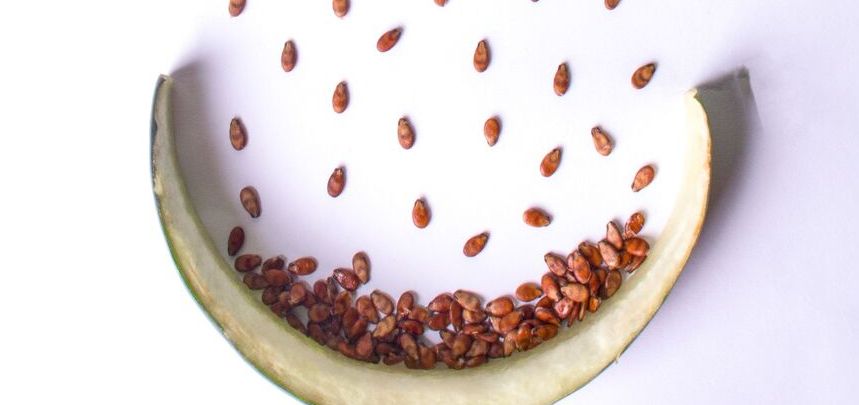
Often discarded without a second thought, watermelon seeds contain nutrients such as protein, unsaturated fats, magnesium, iron and zinc. These nutrients are behind several potential watermelon seeds benefits, from supporting normal muscle and bone function to contributing to heart and immune health.
And you do not have to eat them straight from the fruit. Watermelon seeds can be roasted for a crunchy snack, sprouted or added to everyday meals. Understanding the watermelon seeds nutrition profile, how to prepare them and how much to eat can help you make the most of this often-overlooked part of the fruit.
Top 10 Health Benefits of Watermelon Seeds
Small as they are, watermelon seeds pack in several useful nutrients. Their protein, healthy fats and minerals such as magnesium, iron and zinc each perform different jobs in the body. This is what makes the potential health benefits of watermelon seeds surprisingly varied. Here is how these nutrients may support your health.
1. May Support Heart Health
Watermelon seeds provide monounsaturated and polyunsaturated fats, which can be a healthier choice than saturated fats when incorporated into a balanced diet. They also contain magnesium, a mineral involved in maintaining normal blood pressure, heart rhythm and blood vessel function. Together, these nutrients make heart health one of the potential watermelon seeds benefits.
2. May Help Maintain Healthy Muscles
Watermelon seeds provide both protein and magnesium, giving muscles two nutrients they regularly rely on. Protein supplies amino acids needed to build and repair muscle tissue, while magnesium helps muscles contract and relax normally. This combination can make the seeds a useful way to add some extra protein and minerals to everyday meals.
3. May Support Immune Function
Zinc plays an important role in normal immune responses, including the development and functioning of immune cells. Watermelon seeds also provide other nutrients and antioxidant compounds, including vitamin E. Eating them as part of a varied diet can therefore contribute to the nutrients your immune system needs to function normally.
4. May Contribute to Strong Bones
Calcium often gets most of the attention when it comes to bones, but magnesium matters too. It contributes to normal bone structure and is involved in processes that regulate calcium and vitamin D. Watermelon seeds also contain zinc and phosphorus, making their mineral profile a useful addition to a diet designed to support bone health.
5. May Support Healthy Skin
Watermelon seeds contain zinc, protein and fatty acids, all of which have roles related to normal skin structure and function. Zinc is involved in cell division and wound healing, while protein provides amino acids needed to maintain body tissues. The fatty acids in watermelon seed oil, particularly linoleic and oleic acids, can also help support the skin barrier when the oil is used topically.
6. May Contribute to Hair Health
Hair is primarily made of a protein called keratin, so adequate dietary protein is important for normal hair growth and structure. Watermelon seeds provide protein along with minerals such as iron and zinc, deficiencies of which can be associated with hair loss. They cannot prevent split ends or guarantee hair growth, but they can contribute useful nutrients to an overall balanced diet.
7. May Support Normal Blood Sugar Regulation
Magnesium is involved in glucose metabolism and insulin function, both of which are important for maintaining normal blood sugar levels. Watermelon seeds also contain protein and fats, which generally digest more slowly than rapidly absorbed carbohydrates. However, the seeds should be viewed as part of a balanced diet rather than as a way to prevent or manage diabetes on their own.
8. Supports Normal Nerve Function
Magnesium helps nerves transmit signals and supports normal communication between nerves and muscles. Watermelon seeds provide magnesium along with other nutrients involved in normal nervous-system function. While these nutrients support the nervous system, eating watermelon seeds has not been established as a way to prevent or reduce symptoms of conditions such as Alzheimer's disease or dementia.
9. Provides Nutrient-Dense Energy
Watermelon seeds contain fats and protein, both of which contribute energy and can make them a nutrient-dense snack. Their iron content also supports the production of haemoglobin, which carries oxygen around the body. Rather than providing a quick sugar rush, a small serving can add energy along with useful nutrients.
10. May Support Normal Metabolism
Many of the watermelon seeds benefits come together when it comes to metabolism. Magnesium participates in hundreds of enzyme reactions in the body, including those involved in producing and using energy. Watermelon seeds also provide protein, fats and B vitamins that participate in normal metabolic processes, helping the body make use of nutrients from food.
Nutritional Profile of Watermelon Seeds
Watermelon seeds are surprisingly nutrient-dense, providing protein, healthy fats and a range of essential minerals. The nutritional value of 1 cup of dried watermelon seed kernels is as follows:
Nutrient | Amount per cup |
Energy | 601.56 kcal |
Protein | 30.60 g |
Total fat | 51.16 g |
Carbohydrates | 16.53 g |
Dietary Fibre | 4.21g |
Calcium | 58.32 mg |
Iron | 7.86 mg |
Magnesium | 556.20 mg |
Phosphorus | 815.40 mg |
Potassium | 699.84 mg |
Sodium | 106.92 mg |
Zinc | 11.06 mg |
Copper | 0.74 mg |
Manganese | 1.74 mg |
Thiamin (Vitamin B1) | 0.21 mg |
Riboflavin (Vitamin B2) | 0.16 mg |
Niacin (Vitamin B3) | 3.83 mg |
Pantothenic acid (Vitamin B5) | 0.37 mg |
Vitamin B6 | 0.10 mg |
Folate | 62.64 mcg |
Saturated fat | 10.56 g |
Monounsaturated fat | 8.00 g |
Polyunsaturated fat | 30.34 g |
Cholesterol | 0 mg |
Note: These values are for one cup of dried watermelon seed kernels and may vary depending on the variety and processing method. Actual intake is usually much smaller than one cup, so the nutrients consumed will depend on serving size.
Key Facts About Watermelon Seeds
Here are some key facts about watermelon seeds:
They are completely edible: Watermelon seeds can be eaten raw, roasted or sprouted, making them an easy addition to snacks and meals.
They contain an impressive amount of protein: Dried watermelon seed kernels provide around 30.6 g of protein per cup, making protein a notable part of watermelon seeds nutrition.
Most of their fat is unsaturated: Watermelon seeds contain both monounsaturated and polyunsaturated fats, with polyunsaturated fats making up a considerable portion of their total fat content.
They can even be turned into vegan paneer: Watermelon seed kernels can be soaked, blended and prepared into a plant-based paneer alternative. Their protein and fat content helps create a creamy base that can be set and used in different dishes.
How to Consume Watermelon Seeds?
Watermelon seeds are surprisingly easy to work into everyday meals. You can enjoy them raw, roasted or sprouted, depending on the flavour and texture you prefer.
Eat them raw: Watermelon seeds are edible as they are. Chewing them thoroughly makes them easier to eat rather than simply swallowing them whole.
Roast them for a crunchy snack: Dry-roast the seeds until crisp and add a light seasoning of your choice. They can make a simple alternative to packaged snacks.
Sprinkle them over everyday foods: Add roasted watermelon seeds to yoghurt, salads, breakfast bowls or even poha for a little extra crunch.
Mix them into rice dishes: Grind roasted seeds with herbs or spices and mix them into cooked rice for an easy way to add their nutty flavour to a meal.
Try them sprouted: Watermelon seeds can also be sprouted before eating, giving you another way to enjoy them beyond the usual raw or roasted versions.
Turn them into a plant-based paneer: Soaked watermelon seed kernels can be blended and prepared into a vegan paneer alternative that can be used in a variety of savoury dishes.
How Many Watermelon Seeds Can be Eaten in a Day?
Around 1 to 2 tablespoons (15 to 30 grams) of watermelon seeds per day can be a practical serving for most people. This amount lets you add nutrients such as protein, healthy fats, magnesium and zinc to your diet without consuming a large portion at once.
You can enjoy the seeds roasted as a snack or sprinkle them over salads, yoghurt, breakfast bowls or other meals. Since watermelon seeds are calorie-dense due to their natural fat content, keeping the portion moderate makes it easier to enjoy their nutritional benefits as part of a balanced diet.
Possible Side Effects of Watermelon Seeds
Watermelon seeds can be a nutritious addition to your diet, but eating too many at once may not agree with everyone. Portion size, how well the seeds are chewed and individual digestive tolerance can all affect how your body responds.
Here are some possible side effects to keep in mind:
Digestive discomfort: Eating a large quantity of watermelon seeds may lead to bloating or digestive discomfort, particularly when an individual is not accustomed to their fibre content.
Constipation: Consuming excessive quantities without sufficient fluid intake may contribute to constipation or bloating. Drinking adequate water and managing portions can help reduce this concern.
Throat irritation: Large quantities of seeds or inadequate chewing may occasionally contribute to a dry or irritated feeling in the throat. Chewing the seeds thoroughly can make them easier to consume.
Difficulty for young children: Whole seeds can present a choking concern for young children. Appropriate supervision and age-suitable preparation are therefore important.
Individual digestive sensitivity: If seeds repeatedly cause digestive discomfort, reducing the quantity or choosing roasted or sprouted preparations may make them easier to tolerate.
Importance of Health Insurance
Eating well and making nutritious choices, such as adding watermelon seeds to your diet, can support your health today. But staying prepared for tomorrow requires a different kind of protection. Medical needs can arise unexpectedly, and suitable health insurance can provide a financial cushion when treatment or hospitalisation becomes necessary. With different health insurance plans available, you can choose coverage that better fits your lifestyle, healthcare needs and stage of life.
SBI General Health Alpha by SBI General Insurance is designed with this flexibility in mind, offering coverage that can adapt to modern healthcare needs. It comes with 50+ coverage options, along with exclusive upgrades for SBI General Insurance customers and innovative plan options and discounts. With choices that can be tailored to different lifestyles, it allows you to build health cover around your requirements rather than taking a one-size-fits-all approach.
Disclaimer: Coverage, features, upgrades, discounts and other benefits are subject to the terms and conditions of the policy. Please refer to the policy wording for complete details.
Conclusion
Watermelon seeds may be small, but they are certainly worth a second look. Packed with protein, healthy fats and essential minerals, the health benefits of watermelon seeds make them much more than something to pick out and throw away. Roast them for a crunchy snack, sprinkle them over meals or experiment with them in new recipes. The next time you cut open a watermelon, you might just find that the seeds deserve a place on your plate too.
FAQs
1. What nutrients are found in watermelon seeds?
Watermelon seeds contain protein, magnesium, iron, zinc and monounsaturated and polyunsaturated fatty acids. These nutrients contribute to functions involving muscles, nerves, immunity, energy metabolism and cardiovascular health.
2. How do watermelon seeds benefit heart health?
Watermelon seeds provide unsaturated fatty acids and magnesium. These nutrients may support cholesterol management, normal blood pressure and overall cardiovascular function.
3. Can watermelon seeds improve digestion?
Yes. Watermelon seeds contain fibre, with 1 cup (108 g) of dried watermelon seed kernels providing approximately 4.21 g. Chewing or preparing the seeds appropriately can make them easier to consume. However, excessive quantities may cause bloating or digestive discomfort in some individuals.
4. Do watermelon seeds support skin health?
Watermelon seeds contain zinc and fatty acids associated with normal skin functions. Zinc helps with protein synthesis and cell division, while watermelon seed oil may help retain skin moisture when applied externally.
5. Are watermelon seeds good for muscle growth?
Watermelon seeds contain protein and magnesium. Protein provides amino acids used to build and maintain tissues, while magnesium contributes to normal muscle function.
6. Can watermelon seeds be eaten raw?
Yes. Watermelon seeds can be eaten raw, although they may also be roasted or sprouted. Roasting gives the seeds a crisp texture and provides another convenient way to consume them.
7. How many watermelon seeds should be eaten daily?
Although there is no universally established daily serving, 1 to 2 tablespoons or 15 to 30g of watermelon seeds can be consumed daily.
This blog is intended solely for educational and informational purposes. Content reflects data at time of publication and may not accurately reflect current premiums, terms, or regulations. Readers are encouraged to confirm the accuracy and relevance of the data before making any significant decisions. SBI General Insurance disclaims responsibility for any errors or consequences arising from the use of outdated information provided herein. For more details, please refer to the policy wordings and prospectus before concluding the sales. *Add-ons are subject to payment of additional premium.
Access and manage all your Insurance Needs in one place, right at your Fingertips.




4/5*
Access and manage all your Insurance Needs in one place, right at your Fingertips.



Vision
Our vision is to become the most trusted general insurer for a transforming India.
Mission
Our mission is to provide simple and innovative general insurance solutions, be responsive to our customers' needs and build a sustainable business for the future.
We're socially active!