

 Contact Us


 Other Insurance
Why Kodo Millet is Gaining Popularity Among Health-Conscious Consumers?
Date: Jun 30, 2026 - Last Modified Jun 30, 2026


Today, more people have begun to care about their food choices. They read labels, think about nutrition, and look for healthier options instead of just sticking to the basics. Because of this, traditional foods that were once common in Indian homes are becoming popular again.
Kodo millet is one of such traditional grains. People have grown it for centuries, and now it is returning to kitchens because it is both healthy and easy to use. As balanced diets and sustainable eating become more popular, grains like kodo millet are gaining popularity again.
What is Kodo Millet?
To understand the growing interest in this grain, it helps to know a little about kodo millet.
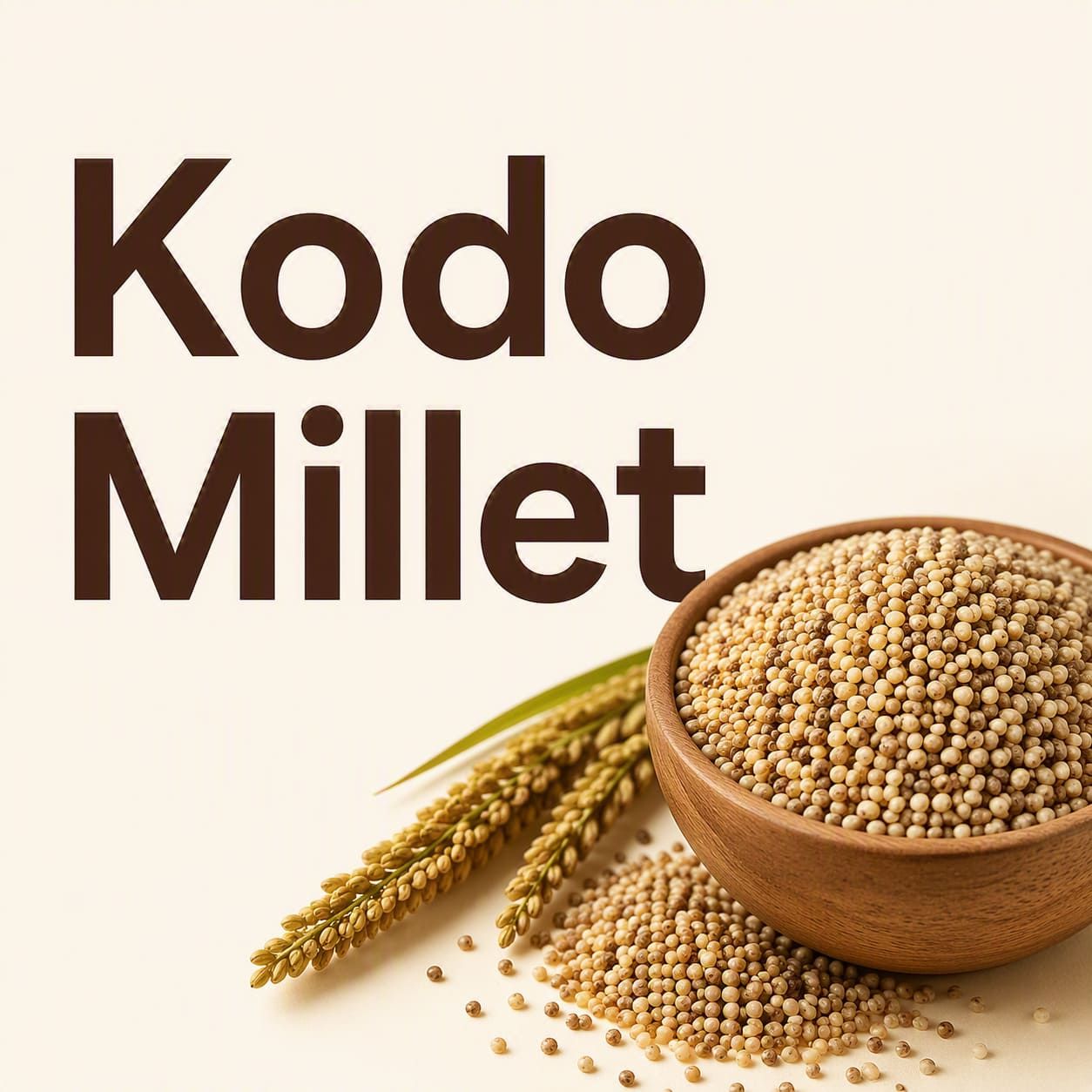
Kodo millet is a cereal grain traditionally cultivated in several regions of India. It has long been used in local cuisines and is known for its adaptability to different growing conditions. Historically, it was a staple in everyday meals in many rural communities before gradually being overshadowed by rice and wheat.
In recent times, people are consuming kodo millet again because it’s an easy way to add variety to their meals. You can cook it like rice, make porridge out of it, add it to salads, or use it in traditional dishes.
Many consumers seek organic kodo millet as part of their preference for minimally processed foods. Products such as kodra atta are also becoming more widely available, making it easier to prepare healthier rotis and other familiar dishes.
Nutritional Value of Kodo Millet
A major reason for the growing popularity of kodo millet is its nutritional composition.
Compared to other refined cereals, it contains a useful combination of carbohydrates, dietary fibre, protein, and minerals. Its fibre content, in particular, has attracted attention from nutrition professionals interested in promoting healthier eating habits.
Approximate Nutritional Value per 100 g
Nutrient | Amount (Per 100 gms) |
Energy | 353 kcal |
Carbohydrates | 65.9 g |
Protein | 8.3 g |
Fat | 3.6 g |
Dietary Fiber | 9 g |
Calcium | 27 mg |
Phosphorus | 188 mg |
Iron | 0.5 mg |
Note: Nutritional values are approximate and may vary based on source and processing.
The relatively high fibre content places kodo millet among commonly discussed high-fibre foods. Fibre plays a major part in digestive health and can contribute to a greater feeling of fullness after meals.
Health Benefits of Kodo Millet
Supports Digestive Health
One well-known benefit of millet is that it helps you get more fibre. Fibre supports healthy digestion and consistent bowel movements, especially when you drink enough water.
Because many modern diets contain insufficient fibre, adding foods that naturally provide to help improve nutritional balance.
Naturally Gluten-Free
For individuals looking to reduce gluten consumption, kodo millet can be a useful option. As a gluten-free millet, it offers an alternative grain choice for people who cannot consume wheat-based products or simply wish to expand their dietary variety.
Helps Promote Satiety
Meals with fibre-rich grains often help you feel full for longer. This can make you less likely to snack too much between meals and can support healthier eating habits.
Many people who switch from refined grains to kodo millet report that meals feel more filling without requiring larger portions.
Provides Steady Energy
Refined carbs are digested quickly, which can make your energy go up and down. Whole grains like kodo millet digest more slowly, giving you steady energy all day.
This steady energy is one reason more people are interested in kodo millet when looking for balanced meals.
Encourages Dietary Diversity
Nutrition experts often suggest eating a mix of grains instead of just one type. Adding traditional grains like kodo millet to your meals can give you more variety and different nutrients.
This is one reason organic kodo millet and other traditional grains are appearing more frequently in modern meal plans.
Kodo Millet for Diabetes
One of the strongest drivers behind the popularity of kodo millet is its potential role in diabetes-friendly diets.
Many healthcare professionals tell people with diabetes to eat more whole grains and foods that digest slowly. Because of this, kodo millet is often recommended as a good option in diabetes-friendly grains.
Its fibre content may help slow digestion and influence the body's glycaemic response when compared with highly refined cereals.
Note: While individual responses can vary, this is one of the reasons whole grains are often considered in diabetes-friendly meal plans. Remember, no single food can control diabetes by itself. It’s still important to follow medical advice, stay active, take any needed medication, and eat a balanced diet.
Kodo Millet for Weight Loss
Weight management is another area where kodo millet has gained attention. Foods with both fibre and some protein, like kodo millet, help you feel full after eating. This can make it easier to regulate portion sizes and avoid binge eating.
Since kodo millet is high in fibre, it’s often added to meal plans for people who want to eat healthier. Swapping some refined grains for whole grains like kodo millet is an easy way to improve your diet without making big changes.
Some people also use kodra atta in place of refined flour when preparing certain recipes, helping increase fibre intake while maintaining familiar cooking methods.
Note: Successful weight management depends on multiple factors, including calorie balance, physical activity, sleep quality, stress management, and long-term consistency.
Things to Keep in Mind
Although the nutritional profile of kodo millet offers several advantages, moderation remains important. Here are some important things to keep in mind.
Increasing fibre intake too quickly can sometimes lead to temporary digestive discomfort, including bloating or gas.
Individuals who are not accustomed to consuming high-fibre foods should consider introducing such foods gradually.
Before making any significant dietary changes, it is best to consult a doctor. This is particularly important for those who have medical conditions or special dietary needs.
Staying healthy goes beyond just what you eat. Many people also think about being financially prepared for medical needs by investing in a good health insurance policy. It enables them to manage the expenses that arise from medical emergencies.
Conclusion
More people are choosing traditional grains as a simple way to eat better and add variety to their meals. Eating foods rich in nutrients, making thoughtful choices, and focusing on prevention all help support long-term health.
Staying healthy goes beyond just what you eat. Along with healthy habits, having the right health insurance can give you important financial protection. SBI General Insurance offers plans that help you and your family handle unexpected medical costs while you focus on staying well.
FAQs
1. Is Kodo millet suitable for people managing blood sugar levels?
Many nutrition experts add whole grains to meal plans because they usually have more fibre than refined cereals. Everyone’s needs are different, so it’s best to get advice from a professional.
2. Can kodo millet support weight-management goals?
Foods that promote satiety can be useful as part of a broader healthy eating plan. Long-term results depend on overall lifestyle habits rather than any single food.
3. What is the best way to prepare it?
It can be cooked similarly to other grains and used in a variety of dishes, including porridge, salads, pilafs, and traditional recipes.
4. Is it a healthier choice than white rice?
The answer depends on your nutritional needs, food preferences, and what else you eat. Whole grains usually have more fibre and nutrients than refined grains.
5. Are there any side effects?
Most people can eat kodo millet as part of a balanced diet without any problems. But if you add fibre too quickly, you might have some mild digestive discomfort at first.
This blog is intended solely for educational and informational purposes. Content reflects data at time of publication and may not accurately reflect current premiums, terms, or regulations. Readers are encouraged to confirm the accuracy and relevance of the data before making any significant decisions. SBI General Insurance disclaims responsibility for any errors or consequences arising from the use of outdated information provided herein. For more details, please refer to the policy wordings and prospectus before concluding the sales. *Add-ons are subject to payment of additional premium.
Access and manage all your Insurance Needs in one place, right at your Fingertips.




4/5*
Access and manage all your Insurance Needs in one place, right at your Fingertips.



Vision
Our vision is to become the most trusted general insurer for a transforming India.
Mission
Our mission is to provide simple and innovative general insurance solutions, be responsive to our customers' needs and build a sustainable business for the future.
We're socially active!