


 Contact Us


 Other Insurance
What Your Lip Shade May Indicate About Your Health
Date: Aug 10, 2026 - Last Modified Aug 10, 2026


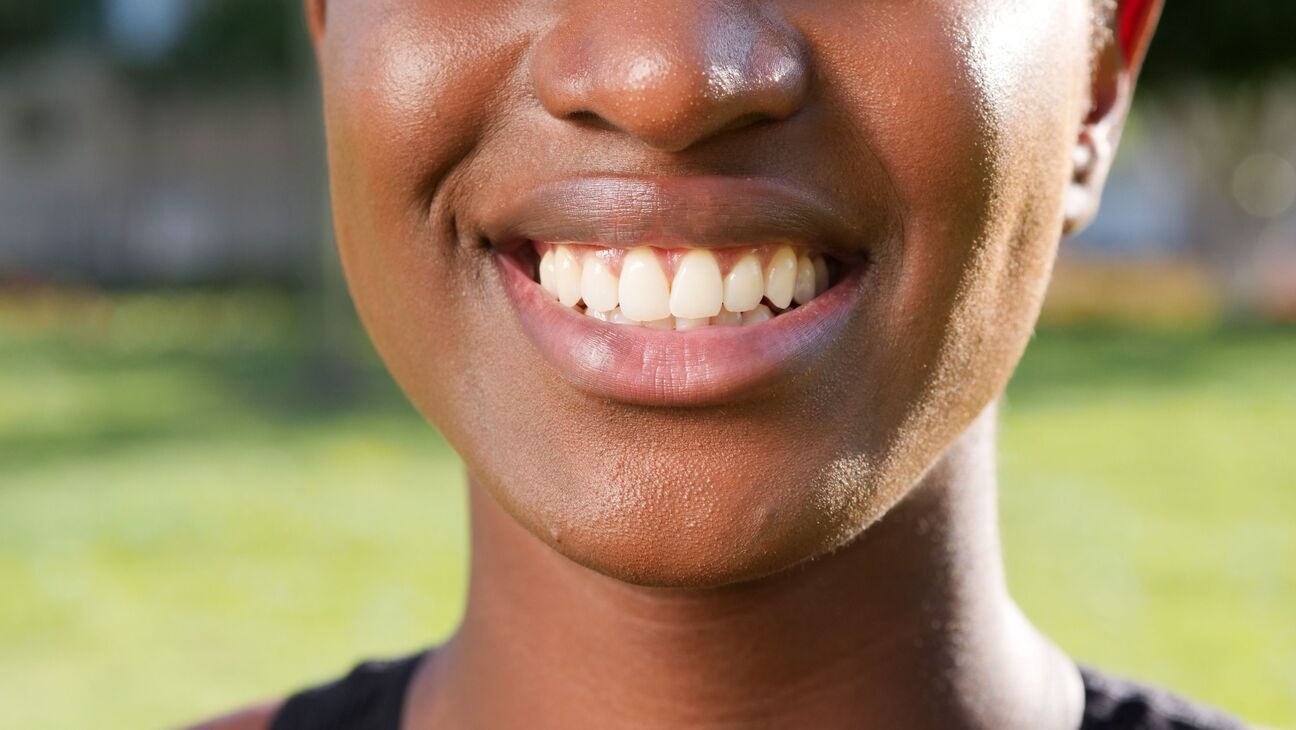
The coloured part of your lips is just 3–5 cell layers thick, compared to around 16 layers in the rest of your facial skin. This makes your lips more sensitive to changes in your health and the environment. Healthy lips can naturally range from reddish-pink to brown, depending on your skin tone. However, unusual lip colours such as blue, grey, black, or the appearance of spots may sometimes indicate an underlying health concern.
What Does Your Natural Lip Colour Say About Your Health?
The colour of your lips can offer useful clues about your health. Healthy lip colour usually indicates good blood circulation, proper hydration, and adequate oxygen levels. On the other hand, sudden or unusual colour changes may hint towards conditions such as anaemia, low oxygen levels, or inflammation.
What Is Considered a Healthy Lip Colour?
Healthy lips are typically soft, moist and their colour ranges from reddish-pink to brown. The natural colour of healthy lips comes from the blood vessels beneath their thin skin. Unlike the rest of the skin, lips contain fewer melanin-producing cells (melanocytes), which is why they often appear lighter. However, a healthy lip colour can naturally vary from person to person depending on genetics and skin tone.
Lip Colours and What They May Indicate
Lip colour and health are closely associated. Hence, any changes in the overall colour or texture must be monitored.
The following are some unusual lip colours and their possible causes:
Blue Lips
Poor oxygen circulation or cyanosis can make the lips appear bluish. The decrease in oxygen can have several possible causes, including:
Shock
Asthma, pneumonia, or a lung disease
Extreme cold
Blood poisoning or sepsis
Poisoning due to toxins
Grey or Pale Lips
Grey or pale lips are also often associated with poor blood circulation. Pale lips can be associated with the following conditions as well:
Fainting
Shock
Frostbite
Vitamin deficiencies
Anaemia
Dehydration
Low blood sugar
Black Lips
Black lips can result from hyperpigmentation. Some of the common causes of black lips are as follows:
Smoking
Trauma or injury
Spotted Lips
Spotted lips can range from harmless sunspots to being a symptom of various health conditions, such as:
Hemochromatosis: The body may store too much iron, leading to brown or grey lip patches.
Peutz-Jeghers syndrome: An inherited disorder that can cause spots on the lips and mouth.
Cancer: Irregular shapes, colours, or scar-like appearance of spots can indicate a cancerous growth.
Note: Many lip spots are harmless and may be caused by sun exposure or natural pigmentation. However, if a spot changes in appearance, causes discomfort, or persists for a long time, it is best to consult a dermatologist for an accurate diagnosis.
Tips to Maintain Healthy Lip Colour Naturally
Now that you understand what lip colour reveals about your health, here are some simple steps you can take to maintain your natural lip colour:
Hydration
Drink at least 8–10 glasses of water every day to keep your body hydrated and help prevent dry, chapped lips.
Balanced Diet
Eat a balanced diet rich in vitamins and minerals, and avoid excessive caffeine intake. This can help support healthy blood circulation and prevent dehydration.
Healthy Habits
Avoid smoking and other harmful habits, as they can contribute to lip discolouration and affect your health.
Protection Against the Sun
Use a lip balm with SPF regularly to help protect your lips from sun damage and pigmentation.
Can Lip Colour Change with Age or Lifestyle?
Lip colour can change because of age and lifestyle changes. As an individual ages, their lips may lose some vibrancy as blood vessels may reduce, or due to a loss of collagen, their lips may appear thinner. Lifestyle factors like smoking can cause hyperpigmentation or dark spots, while dehydration can cause inflammation, leading to an alteration of the natural tone.
Importance of Health Insurance
Changes in lip colour can sometimes be linked to underlying health conditions, while at other times they may simply be caused by dehydration, sun exposure, or natural pigmentation. Paying attention to such changes and seeking timely medical advice when needed can help with early diagnosis and treatment.
A health insurance plan can also help you stay financially prepared for unexpected medical expenses. With SBI General Health Alpha and Super Health Insurance by SBI General Insurance, you get access to 18,000+ network hospitals, a smooth claims process and 24x7 customer support. You can also easily complete your health insurance renewal and track your claims through the SBI General Insurance App.
Conclusion
Knowing what your lip colour says about your health can help with the prompt identification of issues such as low oxygen levels, nutritional deficiencies, or underlying health conditions. Maintaining hydration, eating a balanced diet, and following healthy habits can go a long way in keeping your lips naturally healthy.
FAQs
1. Why do my lips change colour during winter?
Cold weather can reduce blood circulation and cause dehydration, making lips appear paler, drier, or slightly bluish during winter months.
2. Do naturally dark lips always indicate a health problem?
No, naturally dark lips are often due to genetics, melanin levels or skin tone, and are not necessarily a health concern.
3. Can vitamin deficiencies cause lip discolouration?
Yes, deficiencies in vitamins like B12, iron or folate can cause pale, dry, or discoloured lips due to poor circulation and nutrition.
Note: This article is for informational purposes only and is not medical advice. Consult a qualified healthcare professional for diagnosis or treatment decisions.
This blog is intended solely for educational and informational purposes. Content reflects data at time of publication and may not accurately reflect current premiums, terms, or regulations. Readers are encouraged to confirm the accuracy and relevance of the data before making any significant decisions. SBI General Insurance disclaims responsibility for any errors or consequences arising from the use of outdated information provided herein. For more details, please refer to the policy wordings and prospectus before concluding the sales. *Add-ons are subject to payment of additional premium.
Access and manage all your Insurance Needs in one place, right at your Fingertips.




4/5*
Access and manage all your Insurance Needs in one place, right at your Fingertips.



Vision
Our vision is to become the most trusted general insurer for a transforming India.
Mission
Our mission is to provide simple and innovative general insurance solutions, be responsive to our customers' needs and build a sustainable business for the future.
We're socially active!