


 Contact Us


 Other Insurance
Reetha Powder for Hair: Benefits, Uses and Best Ways to Apply It
Date: Jul 8, 2026 - Last Modified Jul 8, 2026


Natural hair care remedies have been used in Indian households for generations. Reetha is one of the most popular among them. Known for its cleansing properties, reetha has long been used as a natural alternative to shampoos and hair cleansers. Today, many people are rediscovering reetha powder for hair as part of a more mindful and ingredient-conscious approach to hair care.
Traditionally used as a natural hair cleanser, reetha keeps the scalp and hair clean. It removes excess oil, dust, and everyday build-up. However, understanding about reetha powder, its benefits, and the right ways to use it is important for safe usage.
What Is Reetha Powder?
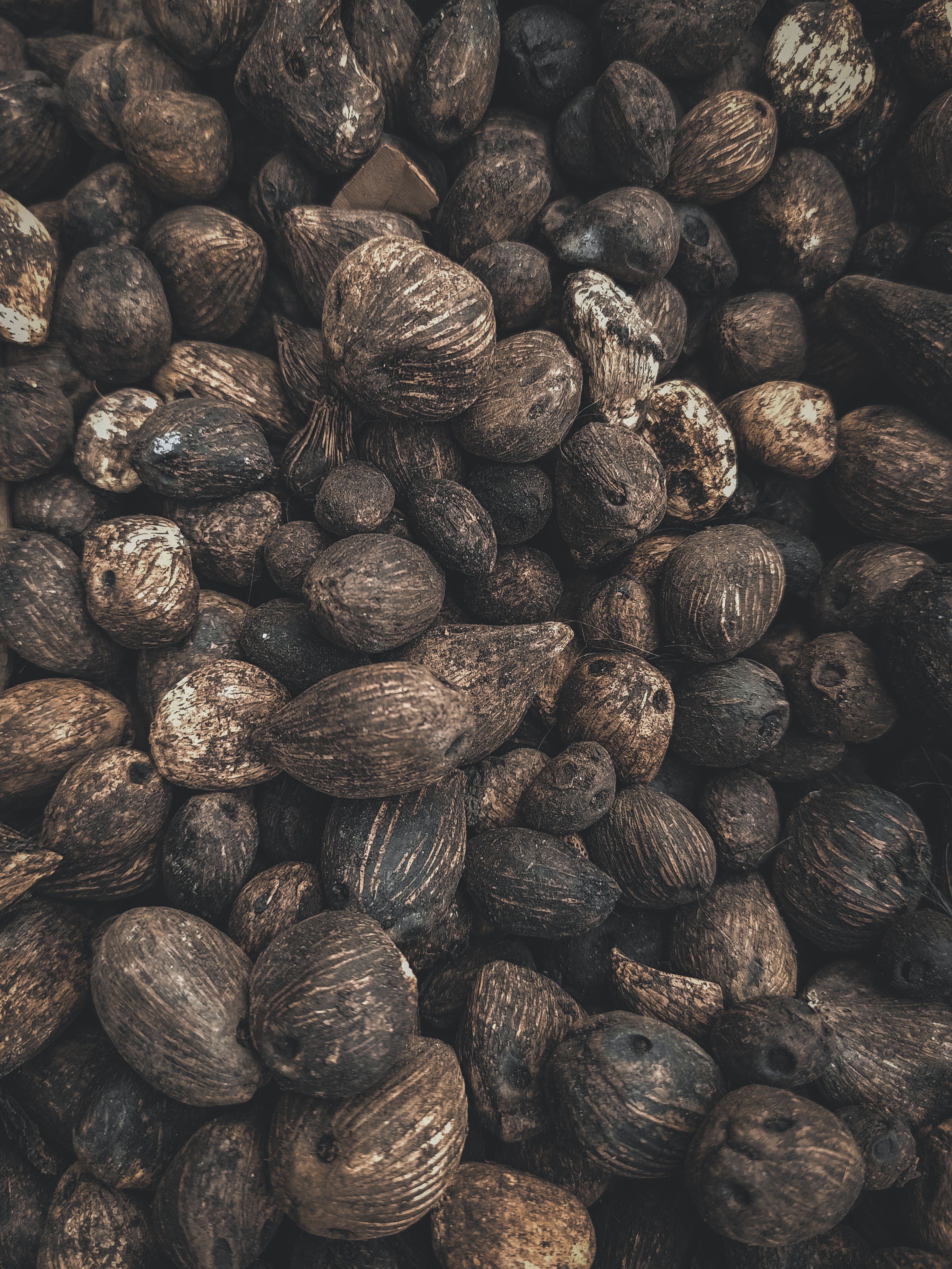
Reetha, also known as soapnut, is the dried fruit of the Sapindus tree. When processed into a fine powder, it becomes a popular ingredient in natural hair and skincare preparations.
What makes reetha unique is its natural content of saponins. These compounds create a mild lather when mixed with water. This allows the powder to cleanse the scalp and hair gently. Because of this, reetha has been used for centuries as a natural hair cleanser in traditional wellness practices.
Nutritional and Natural Compounds Found in Reetha
While reetha is not consumed as food, it contains several naturally occurring plant compounds that contribute to its popularity in hair care.
These include:
Natural saponins
Plant-based antioxidants
Flavonoids
Mild cleansing agents
These compounds are believed to help cleanse the scalp and support healthier-looking hair when used appropriately.
Benefits of Reetha Powder for Hair
Here are some popular benefits of reetha powder for hair:
Cleanses the Scalp Naturally
One of the most recognised benefits of reetha powder for hair is its natural cleansing ability. Many individuals use reetha because it cleanses without leaving the scalp feeling excessively dry.
The saponins present in reetha create a gentle lather that helps remove:
Dirt
Excess oil
Sweat
Product residue
Supports Scalp Hygiene
A clean scalp is important for healthy hair growth. Regular cleansing helps prevent the build-up of oil, dust, and impurities that can make hair look dull or greasy.
Using reetha for hair can help maintain scalp freshness and ensure a cleaner scalp environment.
Reduces Excess Oiliness
People with oily scalps often struggle with hair becoming greasy shortly after washing. Reetha is commonly used because it removes excess oil without stripping the scalp completely. This can leave hair feeling lighter and cleaner for longer periods.
Improves Hair Texture
Many users report that reetha leaves hair feeling soft and manageable after washing. When used regularly and appropriately, it may improve the appearance of hair by reducing build-up and allowing natural shine to become more visible.
Maintains Hair Strength
Environmental pollution, heat styling, and chemical treatments can affect hair quality over time. While reetha is not a treatment for hair loss or damage, its gentle cleansing action can promote healthier hair care practices by reducing exposure to harsh cleansing agents.
Reetha Powder for Hair Growth: Does It Help?
Many people use reetha powder for hair with the hope of promoting hair growth.
There is limited scientific evidence directly linking reetha to faster hair growth. However, maintaining a clean scalp is considered an important part of overall hair care. By helping remove excess oil, dirt, and product residue, reetha may contribute to a healthier scalp environment that supports normal hair growth.
It is important to remember that factors such as genetics, nutrition, stress, hormonal changes, and health also influence hair growth.
How to Use Reetha Powder for Hair
There are several ways to include reetha in a hair care routine.
Reetha Hair Wash
This is one of the simplest methods to use reetha powder.
How to prepare:
Mix reetha powder with water to form a smooth paste.
Apply it to the scalp and hair.
Gently massage for a few minutes.
Rinse thoroughly with water.
Reetha and Amla Hair Pack
Amla and reetha are often used together in traditional hair care.
How to prepare:
Mix equal quantities of reetha powder and amla powder.
Add water to create a paste.
Apply evenly to the scalp and hair.
Leave it on for 20–30 minutes.
Wash thoroughly.
Reetha, Shikakai and Amla Blend
This classic combination remains popular for natural hair cleansing.
The mixture is often used as a hair mask or herbal wash and is commonly included in traditional hair care practices.
How to prepare:
Mix equal quantities of reetha powder, shikakai powder, and amla powder in a bowl.
Add water gradually to form a smooth, lump-free consistency.
Apply the mixture evenly to the scalp and hair.
Leave it on for 20–30 minutes.
Rinse thoroughly with water. A mild shampoo can be used if required.
Best Ways to Include Reetha in Your Hair Care Routine
To get the most from reetha powder, consider following these six simple tips:
Use it in moderation.
Perform a patch test before first use.
Avoid contact with the eyes.
Follow up with a suitable conditioner if needed.
Use clean utensils while preparing hair masks.
Store the powder in a cool and dry place.
Consistency is often more important than frequency when using natural hair care ingredients.
Are There Any Side Effects of Using Reetha?
Reetha is generally considered safe and suitable for external use. However, some individuals can experience:
Scalp irritation
Dryness
Sensitivity reactions
Eye irritation if accidental contact occurs
Individuals experiencing such discomfort should discontinue use immediately. They should seek professional advice if symptoms worsen or persist.
Conclusion
Reetha has remained a trusted part of traditional hair care for generations. Its natural cleansing properties, ease of use, and compatibility with other herbal ingredients continue to make it a popular choice among individuals looking for gentler hair care alternatives.
Maintaining personal well-being goes beyond hair and skincare routines. Taking proactive steps to safeguard your overall health is equally important. Unexpected medical situations can arise at any stage of life, making financial preparedness essential. A comprehensive health insurance plan from SBI General Insurance can help cover eligible medical expenses, provide access to quality healthcare, and reduce the financial burden associated with hospitalisation and treatment costs. Browse through the SBI General Insurance health insurance options today!
FAQs
1. What are the benefits of reetha powder for hair?
Reetha powder is often used due to the following benefits:
- Cleanse the scalp
- Remove excess oil from the scalp and hair
- Reduce product build-up
- Maintain soft, manageable hair
2. Can reetha powder help with hair growth?
While there is limited evidence that reetha directly promotes hair growth, a clean and healthy scalp may support normal hair growth conditions.
3. How often can reetha powder be used on hair?
The frequency of use may vary depending on hair type and scalp condition. Many individuals use it once or twice a week as part of their regular hair care routine.
4. Can reetha powder be mixed with other ingredients?
Yes. Reetha powder can be mixed with ingredients, such as amla and shikakai. These are popular and traditional hair care preparations.
5. Is reetha powder suitable for all hair types?
Reetha may be suitable for many hair types, but individual experiences can vary. A patch test is recommended before first-time use.
6. Can reetha replace shampoo?
Some individuals use reetha as a natural cleanser instead of shampoo. However, suitability may depend on personal preferences, hair type, and scalp condition.
Note: This article is for informational purposes only and is not medical advice. Consult a qualified healthcare professional for diagnosis or treatment decisions.
This blog is intended solely for educational and informational purposes. Content reflects data at time of publication and may not accurately reflect current premiums, terms, or regulations. Readers are encouraged to confirm the accuracy and relevance of the data before making any significant decisions. SBI General Insurance disclaims responsibility for any errors or consequences arising from the use of outdated information provided herein. For more details, please refer to the policy wordings and prospectus before concluding the sales. *Add-ons are subject to payment of additional premium.
Access and manage all your Insurance Needs in one place, right at your Fingertips.




4/5*
Access and manage all your Insurance Needs in one place, right at your Fingertips.



Vision
Our vision is to become the most trusted general insurer for a transforming India.
Mission
Our mission is to provide simple and innovative general insurance solutions, be responsive to our customers' needs and build a sustainable business for the future.
We're socially active!