

 Contact Us


 Other Insurance
What to Eat When BP Is Low
Date: Jun 5, 2026 - Last Modified Jun 5, 2026


Low blood pressure is also known as hypotension. It occurs when blood pressure levels fall below the normal range. Some people naturally have low blood pressure without experiencing symptoms. However, others may feel dizzy, weak, tired, or lightheaded.
What you eat can make a difference when your blood pressure is low. Certain foods and drinks can help you feel more energised and reduce symptoms such as dizziness or weakness.
Continue reading to learn more about what to eat when BP is low.
Understanding Low Blood Pressure (Hypotension)
Blood pressure measures the force of blood flowing through the arteries. A reading below 90/60 mmHg is usually considered low blood pressure.
Symptoms:
Some of the commonly experienced symptoms include:
Dizziness
Fainting
Blurred vision
Fatigue
Nausea
Difficulty concentrating
Causes:
Low blood pressure can occur due to:
- Dehydration
- Nutritional deficiencies
- Certain medications
- Underlying health conditions
Identifying the root cause is important before making dietary changes.
6 Foods to Eat When BP Is Low
Having the right food is essential when managing low blood pressure. Here are some commonly recommended options.
Salty Foods
Salt contains sodium, which can help raise blood pressure levels in some cases.
Foods that contain moderate amounts of sodium include:
Salted nuts
Olives
Pickles
Salted crackers
Soups
Roasted namkeens
However, excess salt intake is not suitable for everyone. It is best to seek medical advice before increasing sodium consumption.
Caffeine
Caffeinated beverages can cause a temporary rise in blood pressure. Some examples of such beverages include:
Coffee
Black tea
Green tea
Caffeine affects individuals differently. Hence, it should be consumed in moderation.
Fluids and Hydration
Dehydration is a common cause of low blood pressure. Drinking enough fluids throughout the day maintains blood volume. It reduces symptoms such as dizziness.
Some good hydration options include:
Water
Coconut water
Soups
Oral rehydration solutions, when recommended
B12 and Folate-Rich Foods
Vitamin B12 and folate play an important role in red blood cell production. Deficiencies in these can sometimes cause low blood pressure symptoms.
Examples of foods rich in vitamin B12 include:
Eggs
Fish
Dairy products
Lean meat
Vegetarian sources of vitamin B12 include:
Milk and milk products
Fortified breakfast cereals
Fortified plant-based milk
Fortified nutritional yeast
Cheese and yoghurt (fortified, in most cases)
Examples of foods rich in folate include:
Spinach
Broccoli
Lentils
Beans
Asparagus
These are among the best foods for low blood pressure when included as part of a balanced diet.
Fruits That Support Healthy Blood Pressure
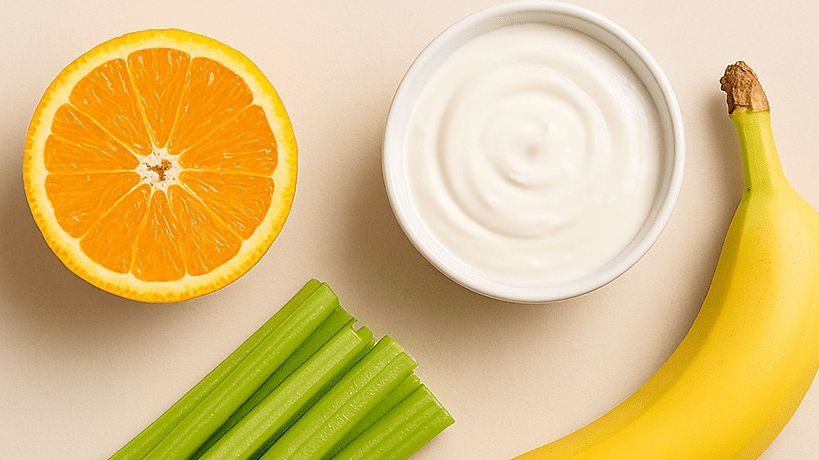
Various fruits that contain important vitamins, minerals, and water content can help with low blood pressure. They can provide hydration and essential nutrients, thereby minimising the symptoms.
Some of the popular examples include:
Bananas
Oranges
Pomegranates
Watermelon
Grapes
Small and Frequent Meals
Large meals can sometimes cause blood pressure to drop further, especially in older adults. Hence, it is better to eat smaller meals at regular intervals. This can reduce sudden fluctuations in blood pressure.
Foods to Avoid When BP Is Low
Certain foods and habits can worsen low blood pressure symptoms.
Consider limiting:
Excessive alcohol consumption
Highly processed foods with poor nutritional value
Sugary foods and drinks in large quantities
Skipping meals
A balanced diet for low BP should focus on nutrient-rich foods and regular meal timings.
Lifestyle Tips to Follow Along with Dietary Changes
It is important to note that diet is only one part of managing low blood pressure. The below-listed simple habits can also help:
Drink enough water throughout the day
Avoid standing up too quickly
Eat regular meals
Get adequate sleep
Stay physically active
Avoid prolonged exposure to heat
Combining these habits with the right foods to eat for low blood pressure can improve health and wellness.
When to See a Doctor
Occasional dizziness due to low blood pressure may not always be a concern. However, frequent symptoms should not be ignored.
Consult a doctor if these symptoms show up:
Repeated fainting
Severe dizziness
Chest pain
Shortness of breath
Persistent fatigue
A doctor can identify the underlying cause and recommend appropriate treatment.
Also, staying on top of regular health check-ups and opting for health insurance renewal on time is equally important. It ensures uninterrupted and timely access to medical care.
Conclusion
Knowing what to eat when BP is low can help you make informed dietary choices. Staying hydrated, eating the nutrient-rich foods mentioned above, and maintaining regular meal timings are simple yet effective steps. They can ensure healthy blood pressure levels.
Besides following a balanced diet for low BP, regular health check-ups can help identify any underlying concerns early. A suitable health insurance plan from SBI General Insurance can help you stay financially prepared for unexpected medical needs.
Note: This article is for informational purposes only and is not medical advice. Consult a qualified healthcare professional for diagnosis or treatment decisions.
FAQs
1. What should I eat immediately for low BP?
If you feel lightheaded due to low blood pressure, drinking water and having a light snack containing some salt may help. However, persistent symptoms should be evaluated by a healthcare professional.
2. Is salt good for low blood pressure?
Salt contains sodium, which can raise blood pressure levels in some individuals. However, increasing salt intake should only be done after consulting a doctor.
3. Which fruits help raise blood pressure?
Bananas, oranges, pomegranates, grapes, and watermelon are commonly included in diets aimed at supporting healthy blood pressure levels.
4. Can dehydration cause low BP?
Yes. Dehydration reduces blood volume, which can lead to a drop in blood pressure and symptoms such as dizziness or weakness.
5. Is coffee good for low blood pressure?
Coffee and other caffeinated beverages can cause a temporary increase in blood pressure. Their effects vary from person to person, so moderation is important.
This blog is intended solely for educational and informational purposes. Content reflects data at time of publication and may not accurately reflect current premiums, terms, or regulations. Readers are encouraged to confirm the accuracy and relevance of the data before making any significant decisions. SBI General Insurance disclaims responsibility for any errors or consequences arising from the use of outdated information provided herein. For more details, please refer to the policy wordings and prospectus before concluding the sales. *Add-ons are subject to payment of additional premium.
Access and manage all your Insurance Needs in one place, right at your Fingertips.



4/5*
Access and manage all your Insurance Needs in one place, right at your Fingertips.


Vision
Our vision is to become the most trusted general insurer for a transforming India.
Mission
Our mission is to provide simple and innovative general insurance solutions, be responsive to our customers' needs and build a sustainable business for the future.
We're socially active!