


 Contact Us


 Other Insurance
Understanding Claim Adjudication in Health Insurance

Date: Aug 31, 2026 - Last Modified Aug 31, 2026


Claim adjudication is the process insurers use to assess whether a health insurance claim meets the policy terms and conditions. During claim adjudication in health insurance, they review factors such as policy coverage, medical necessity, submitted documents, and claim eligibility.
Learning about the claim adjudication process can help policyholders know what to expect during a claim and make the overall experience smoother.
What is Claim Adjudication?
Many policyholders wonder, "What is claim adjudication?" Simply put, it is the process insurers follow to review a health insurance claim and determine whether it meets the policy terms and conditions. During claim adjudication in health insurance, the insurer verifies the policy details, submitted documents, and treatment eligibility before deciding.
As part of this process, the insurer checks:
Whether the treatment is covered under the policy.
Whether the policy was active at the time of treatment.
Whether any waiting period apply.
The submitted bills and required supporting documents.
Whether the claim is eligible for cashless settlement or reimbursement, based on the policy terms.
The aim of claim adjudication is to ensure that claims are assessed fairly and in accordance with the policy terms and conditions. Based on the review, a claim may be approved, partially approved, rejected, or kept pending if additional information is required.
How Does Claim Adjudication Work?
The claim adjudication process typically follows these steps:
1. Claim Submission
The policyholder or hospital submits the claim along with supporting documents.
2. Document Verification
The insurer verifies the policy details, identity proof, hospital records, discharge summaries, prescriptions, and diagnostic reports.
3. Medical Assessment
Medical professionals assess whether the treatment was medically necessary and covered under the policy.
4. Policy Review
The insurer checks waiting periods, exclusions, coverage limits, co-payment clauses, and other policy conditions.
5. Payout Decision
After reviewing the claim, the insurer may approve it, partially approve it, reject it, or request additional documents.
6. Claim Settlement
Approved claims are settled through the cashless route or reimbursement process, depending on the claim type.
Types of Claim Adjudication
The following forms of claim adjudication are commonly used:
Automated Adjudication
Technology-based systems can review straightforward claims based on predefined rules and policy parameters. More complex claims may be referred for manual review.
Manual Adjudication
Complex claims requiring detailed assessment are reviewed by claims specialists and medical professionals.
Cashless Claim Adjudication
In network hospitals, the insurer evaluates the treatment request before directly settling eligible expenses with the hospital.
Reimbursement Claim Adjudication
The policyholder pays the hospital bill first and later submits documents for review and reimbursement.
Factors Considered During Claim Adjudication
Several factors influence claim adjudication in health insurance, including:
Validity and status of the health insurance policy
Sum insured and available coverage
Waiting periods
Medical necessity
Policy exclusions
Accuracy of claim documents
Hospitalisation records and discharge summary
Fraud detection and claim authenticity checks
Common Reasons for Claim Delays or Rejections
Most health insurance claims are processed smoothly when all the required information is provided. However, during the claim adjudication process, there may be situations where additional verification is needed, which can lead to delays or, in some cases, claim rejection.
Some of the common reasons include:
Missing or incomplete documents, such as medical reports, hospital bills, discharge summaries, or claim forms.
Treatments or expenses that are not covered under the policy.
Waiting periods or other policy conditions that apply.
Discrepancies or inconsistencies in the information submitted.
Non-disclosure of relevant medical information, where required under the policy.
During claim adjudication, insurers also verify policy validity, coverage, and the applicable terms and conditions. Hence, keeping your documents ready, submitting accurate information, and understanding your policy can help in making the claims process smoother.
Tips for a Smooth Claim Adjudication Process
The following tips can help simplify the claim adjudication process:
Read the policy wording carefully.
Inform the insurer promptly in the event of hospitalisation.
Disclose all medical details.
Understand waiting periods and sub-limits.
Submit accurate and complete documents.
Follow up regularly on claim status.
Opt for network hospitals.
Conclusion
Claim adjudication is an important step in the health insurance claims process. It helps insurers review claims based on the policy terms and determine whether they are eligible for settlement. Understanding how this process works can help you keep the required documents ready, submit accurate information, and avoid unnecessary delays.
A health insurance plan with a smooth claims process can make all the difference when you need medical care. With plans like Super Health Insurance and SBI General Health Alpha by SBI General Insurance, you get access to 18,000+ network hospitals, a smooth claims process, 24x7 customer support, and easy policy and claim tracking through the SBI General Insurance App, so you can focus on your treatment while your insurer takes care of the claims process.
FAQs
1. Can a claim be reconsidered after rejection?
Yes. Policyholders may request a review or submit additional supporting documents if they believe the claim should be reconsidered.
2. Who performs claim adjudication in health insurance?
Claims specialists, medical reviewers, and authorised insurance personnel typically conduct claim adjudication based on policy guidelines and medical records.
3. Does claim adjudication differ for cashless and reimbursement claims?
Yes. Cashless claims are assessed before hospital bill settlement, while reimbursement claims are reviewed after treatment and document submission.
This blog is intended solely for educational and informational purposes. Content reflects data at time of publication and may not accurately reflect current premiums, terms, or regulations. Readers are encouraged to confirm the accuracy and relevance of the data before making any significant decisions. SBI General Insurance disclaims responsibility for any errors or consequences arising from the use of outdated information provided herein. For more details, please refer to the policy wordings and prospectus before concluding the sales. *Add-ons are subject to payment of additional premium.
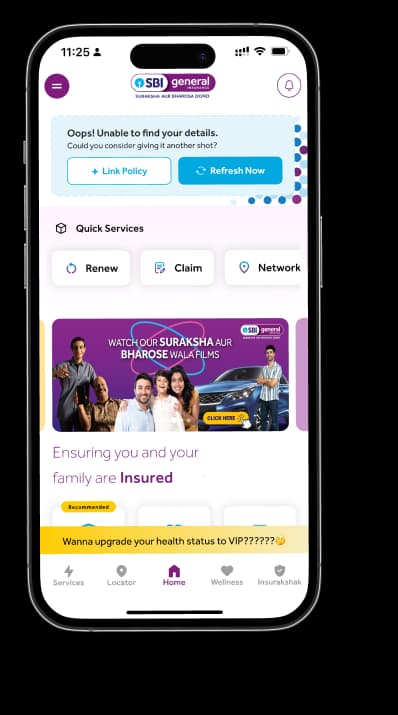
Access and manage all your Insurance Needs in one place, right at your Fingertips.



4/5*
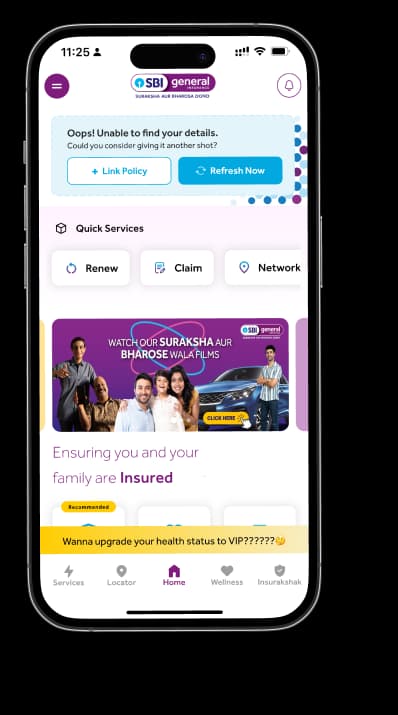
Access and manage all your Insurance Needs in one place, right at your Fingertips.


Vision
Our vision is to become the most trusted general insurer for a transforming India.
Mission
Our mission is to provide simple and innovative general insurance solutions, be responsive to our customers' needs and build a sustainable business for the future.
We're socially active!