


 Contact Us


 Other Insurance
Storm Damage and Home Insurance: What’s Covered in India?
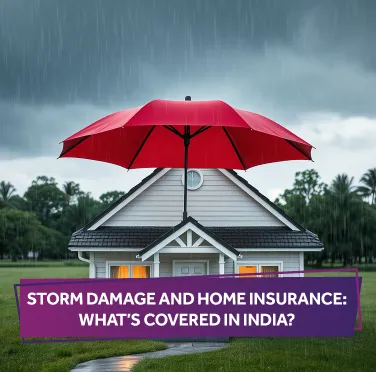
Date: Jan 20, 2025 - Last Modified May 22, 2026


Home insurance is a crucial safeguard for your property, providing financial protection against unexpected events. One common concern among homeowners is whether storm damage home insurance provides adequate protection.
This article explains storm damage coverage under home insurance in India, including protection against wind, cyclone, hail, and heavy rain-related damage. It also clarifies exclusions, claim procedures, and preventive measures, helping homeowners understand how their policy safeguards their property during natural disasters.
Types of Storms
Storms come in many forms, and each can have a different impact on your home. Let’s explore the most common types of storms that can cause damage:
1. Windstorms:
Windstorms are characterised by strong, gusty winds that can cause trees to fall, damage roofs, break windows, or even lead to structural damage. These storms can occur quickly and with little warning, leaving homes vulnerable to damage. In some cases, windstorms can also lead to the destruction of external structures, like fences or garages.
2. Hailstorms:
Hailstorms occur when solid ice pellets fall from the sky. Hailstones can vary in size, and the damage they cause depends on their size and the severity of the storm. Large hailstones can shatter windows, dent cars, and even damage roofs. While hailstorms are less common in India, they can still cause significant harm in some areas where they are frequent or when it happens.
3. Lightning Storms:
Lightning storms are caused by electrical discharges in the atmosphere that result in lightning strikes. These strikes can cause fires, electrical damage to appliances, and structural harm. Lightning storms can be particularly dangerous, as they can lead to fires in roofing materials or even electrical surges that damage home appliances and wiring.
How Does Storm Damage Work in Home Insurance?
Understanding home insurance storm coverage is important as it helps you understand what protection your policy offers. Generally, a home insurance policy will likely cover damages caused by natural disasters; this includes storm-related damages as well.
That said, it is important to review your policy carefully, as certain exclusions may apply. For example, damage caused by flooding, waterlogging, or seepage during storms may not be covered under standard policies and could require an additional add-on. Checking these details ensures your protection aligns with the specific risks your property may face.
How Can You Ensure Full Coverage for Storm Damage?
When buying a home insurance policy or reviewing your existing policy, it’s essential to ensure comprehensive coverage for storm damage. Here are a few tips:
- Read the Fine Print: Check the inclusions and exclusions in your home insurance document to see what is covered under storm damage. Be aware of any exclusions or limitations related to certain types of storms or flooding.
- Consider Add-Ons: If your policy does not cover certain types of storm damage, you may be able to add coverage for specific risks such as hail.
Choose the Right Insurer: Some insurance providers offer specialised plans for storm damage, so it’s important to compare options online and choose the one that suits your needs. - Document Your Property: Maintain records to support claims. This can help make the process smoother.
Filing a Storm Damage Claim with Your Home Insurance Plan
If your home has suffered damage or loss due to a storm, follow the steps mentioned below to file a claim with your home insurance:
- Document everything: To support your claim, it is essential to have clear proof of the damage or loss. Take detailed photos and videos of all affected areas, ensuring the extent of damage is clearly visible. This documentation helps speed up the assessment and approval process.
- File the claim: Fill out the claim form and submit the necessary proof. You can do this online via the website or through the app. Consider doing this promptly so that the claim process begins quickly and the damage can be resolved.
- Consider cost and value: Insurance claims are typically settled based on the depreciated value of the damaged items or property components. This means the pay-out may differ from the original purchase cost. Keeping this in mind can help you set realistic expectations about the claim amount.
Conclusion:
Home insurance in India is an effective way to protect your property from the devastating effects of storm damage. Most home insurance policies provide coverage for various types of storms, including wind, hail, and lightning storms. However, it’s important to understand the details of your home insurance policy to ensure that you’re adequately covered for storm damage.
If you’re looking for a reliable home insurance provider, you can explore plans from SBI General Insurance that offer comprehensive storm-related protection with clearly defined coverage terms.
FAQs
1. Does house insurance cover all types of storm damage?
Most home insurance policies cover damages caused by wind, hail, and lightning storms. However, specific coverage may vary, and certain types of storm damage, like flooding, may require additional coverage.
2. Is flooding caused by a storm covered under property insurance?
Flooding is often excluded from standard policies, even if it occurs during a storm. Some insurers offer optional add-ons for flood-related damage, so it is important to check whether your policy coverage includes this risk.
3. How can I ensure my house insurance policy covers storm damage comprehensively?
To ensure comprehensive storm damage coverage, carefully review your home insurance policy, consider add-ons for specific risks, and compare options available through online property insurance platforms.
This blog is intended solely for educational and informational purposes. Content reflects data at time of publication and may not accurately reflect current premiums, terms, or regulations. Readers are encouraged to confirm the accuracy and relevance of the data before making any significant decisions. SBI General Insurance disclaims responsibility for any errors or consequences arising from the use of outdated information provided herein. For more details, please refer to the policy wordings and prospectus before concluding the sales. *Add-ons are subject to payment of additional premium.
Access and manage all your Insurance Needs in one place, right at your Fingertips.




4/5*
Access and manage all your Insurance Needs in one place, right at your Fingertips.



Vision
Our vision is to become the most trusted general insurer for a transforming India.
Mission
Our mission is to provide simple and innovative general insurance solutions, be responsive to our customers' needs and build a sustainable business for the future.
We're socially active!