


 Contact Us


 Other Insurance
Car Insurance for High-Risk Drivers: What You Should Know
Date: May 4, 2026 - Last Modified May 4, 2026


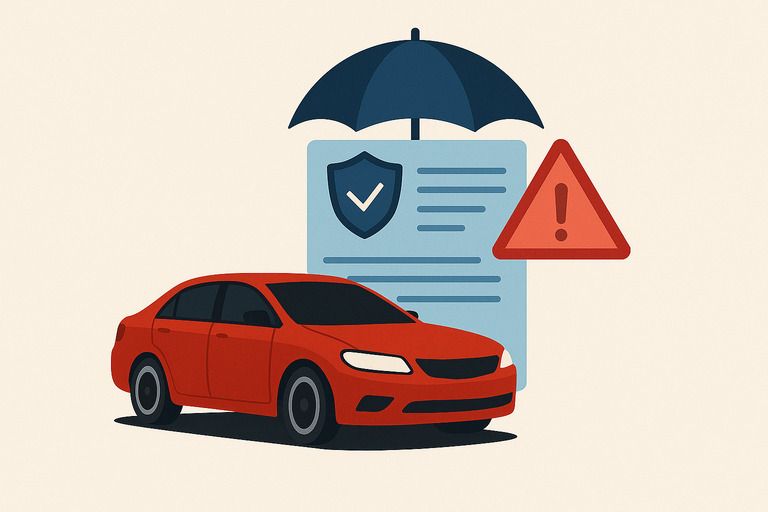
A high-risk driver is typically someone with a history of frequent insurance claims, repeated traffic violations, limited driving experience, or ownership of a high-performance or modified vehicle. Insurers view these factors as indicators of a higher likelihood of future claims, which often leads to increased premiums, stricter policy terms, and fewer coverage options.
Is it Possible to Get Car Insurance for High-Risk Drivers?
Car insurance for high-risk drivers often comes with tighter rules, but it is possible to secure the right cover with some research and patience. Insurers look at a mix of things, such as the driving history, past claims, and even the kind of car owned, to understand how risky the individual might be to insure. If one falls into the high-risk category, knowing how this works can actually help them make better choices. With a few mindful steps, one can still find affordable car insurance for high-risk drivers and slowly improve one’s profile to bring those costs down over time.
Who Is Considered a High-Risk Driver?
A high-risk driver is someone more likely to file claims based on past behaviour, driving experience, or vehicle type. Insurers classify such drivers as higher liability, which directly impacts premiums and policy terms.
Drivers with Multiple Claims History
If you have had to make a few claims in a short time, insurers may begin to see a pattern. Even when those incidents weren’t completely your fault, frequent claims can still make you seem like a higher-risk driver in their eyes. As a result, insurers may raise premiums or limit certain add-ons. Over time, reducing claims frequency can help improve your standing.
Traffic Violations & Penalties
Repeated traffic violations such as speeding, signal jumping or driving under the influence signal risky driving behaviour. Insurers take these violations seriously because they correlate with higher accident probability. If you have penalties or challans on your record, you might end up paying a higher premium or facing tighter policy checks. In more serious cases, insurers may be hesitant to offer coverage or may add a few conditions before issuing the policy.
New or Inexperienced Drivers
New drivers, especially those under 25 or with limited driving history, may be classified as high-risk. The lack of experience makes it harder for insurers to predict behaviour, so they price policies conservatively. Over time, consistent safe driving can significantly improve your risk category.
High-Performance or Modified Vehicles
If you drive a high-performance or heavily modified car, insurers may see you as a higher-risk driver. These vehicles usually cost more to repair and are often associated with faster driving, which naturally increases the chances of accidents. Modifications, especially those affecting engine performance or structure, may also lead insurers to charge higher premiums or restrict coverage to an extent.
Factors That Make You a High-Risk Driver
Several factors contribute to one’s classification as a candidate for insurance for high-risk drivers. Your claims history: frequent or high-value claims indicate a higher likelihood of future payouts. Driving behaviour also plays a major role; repeated violations or accidents create a risk-heavy profile.
The type of vehicle you own matters, too. Expensive cars, sports models or modified vehicles cost more to repair or replace, increasing insurer liability. Location is another factor; if you live in an area prone to accidents, theft or natural disasters, your risk level rises.
Age and driving experience are equally important. Younger or newly licensed drivers are statistically more likely to be involved in accidents. Even your policy history, such as lapses in renewal, can impact your risk category, as it suggests inconsistent insurance behaviour.
Insurers evaluate these factors collectively using underwriting guidelines commonly followed across the Indian motor insurance industry. The more risk indicators you have, the higher your premium is likely to be.
How Does High-Risk Status Affect Your Premium?
Being categorised as high-risk directly impacts how much you pay for car insurance. Premiums are typically higher because insurers anticipate a greater chance of claims. In some cases, you may also face restrictions on add-ons or higher deductibles.
For example, consider Rohan, a 32-year-old driver who had two minor accidents and one major claim in the past 3 years. When renewing his policy, he noticed a significant jump in the premium. Insurers viewed his history as a pattern, not isolated incidents. Initially, he struggled to find affordable car insurance for high-risk drivers.
However, over the next two years, Rohan adopted safer driving habits, avoided claims and renewed his policy consistently. Gradually, his risk profile improved, and he was able to negotiate better premiums. This highlights an important point - your risk status is not permanent.
Add-ons Recommended for High-Risk Drivers
Add-ons can give your policy that extra layer of protection, especially helpful if you are seen as a high-risk driver.
Zero depreciation cover
Zero depreciation cover ensures you receive the claim amount without depreciation being factored in for parts. This makes it easier to manage repair costs and maintain financial stability.
Engine protection
Engine protection is essential if you frequently drive in flood-prone areas or congested cities. It covers damage caused by water ingress, oil leakage or mechanical breakdown-situations often excluded in standard policies. For high-risk drivers, this add-on provides an extra safety net, especially when driving conditions are unpredictable.
Roadside assistance
Breakdowns can happen at any time, and high-risk drivers may benefit from quick support. Roadside assistance offers services such as towing, battery jump-starts, tyre replacement, and emergency fuel delivery. This add-on ensures you are not stranded during unexpected situations, adding convenience and peace of mind.
Return to invoice
Return to the invoice cover ensures you receive the original purchase price of your car in the event of a total loss or theft. For high-risk drivers, this can be a valuable add-on, especially if the vehicle depreciates quickly or is more prone to accidents.
How to Improve Your Risk Profile Over Time?
Improving your risk profile requires consistent effort, safe driving habits and disciplined policy management.
Maintain a clean driving record
Try to avoid traffic violations and drive responsibly. This goes a long way in lowering your risk profile. Even a year or two of safe, claim-free driving can change how insurers see you.
Renew policy on time
Renewing your policy on time shows insurers that you are consistent and dependable. Missing a renewal can make it seem like you are not, which they may see as a risk.
Choose a higher voluntary deductible
Choosing a higher voluntary deductible shows insurers you are willing to take on a bit more responsibility, which can help lower your premium. It also reflects a more cautious approach to insurance. Just make sure it is an amount you would be comfortable paying out of pocket if you ever need to make a claim.
Conclusion
Car insurance for high-risk drivers can feel a bit expensive and restrictive at first, but it is something you can work around. Once you understand how insurers look at risk and start making small, conscious changes, things do get better over time. With the right approach, one can move towards more affordable motor insurance coverage.
FAQs
1. Does credit score affect car insurance for high-risk drivers in India?
In India, credit scores don’t really play a major role in deciding your car insurance premium, unlike in some international markets. Insurers focus more on driving history, claims and vehicle type when determining premiums.
2. Can switching insurers reduce premiums for high-risk drivers?
Comparing policies across insurers can help you find better rates. However, your risk profile remains the same.
3. Do high-risk drivers need to undergo vehicle inspection before policy approval?
Insurers may require inspection for older, modified or high-risk vehicles to assess their condition before issuing coverage.
4. Is it possible to get long-term car insurance as a high-risk driver?
Some insurers offer long-term policies, though premiums may be higher depending on your risk category.
5. Do high-risk drivers get fewer add-on options in car insurance?
Some insurers may restrict certain add-ons or price them higher based on risk.
6. How does the type of fuel impact high-risk car insurance premiums?
Fuel type can also play a small role in how insurers assess risk. This is mainly because repair costs and how the vehicle is typically used can vary.
7. Can adding a co-owner or experienced driver reduce the risk category?
Adding an experienced driver may positively influence risk perception, but it depends on insurer policies.
8. Are high-risk drivers more likely to face claim rejection?
If your claim is genuine and falls within the policy terms, it should be honoured. That said, insurers may review it a bit more closely.
This blog is intended solely for educational and informational purposes. Content reflects data at time of publication and may not accurately reflect current premiums, terms, or regulations. Readers are encouraged to confirm the accuracy and relevance of the data before making any significant decisions. SBI General Insurance disclaims responsibility for any errors or consequences arising from the use of outdated information provided herein. For more details, please refer to the policy wordings and prospectus before concluding the sales. *Add-ons are subject to payment of additional premium.
Access and manage all your Insurance Needs in one place, right at your Fingertips.



4/5*
Access and manage all your Insurance Needs in one place, right at your Fingertips.


Vision
Our vision is to become the most trusted general insurer for a transforming India.
Mission
Our mission is to provide simple and innovative general insurance solutions, be responsive to our customers' needs and build a sustainable business for the future.
We're socially active!