


 Contact Us


 Other Insurance
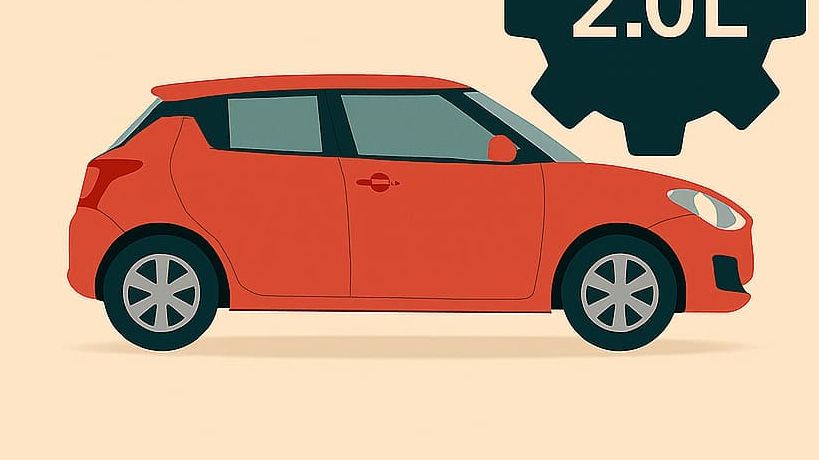
Cubic Capacity Impact on Car Insurance
Date: Jun 12, 2026 - Last Modified Jun 12, 2026


When buying or renewing a car insurance policy, many vehicle owners focus mainly on factors such as the car model, fuel type or claim history. However, one important factor that also affects premium calculation is the engine’s cubic capacity (CC). Insurers often consider engine size while assessing risk, repair costs and vehicle performance.
Understanding the impact of cubic capacity on car insurance premiums can help vehicle owners make more informed financial decisions before purchasing a vehicle or renewing coverage. In general, cars with larger engines may attract higher insurance premiums because they are often associated with higher speeds, increased repair costs and greater accident exposure.
Whether you own a compact hatchback or a high-performance SUV, understanding how cubic capacity affects car insurance can help you select suitable coverage and manage long-term insurance expenses more effectively.
What is Cubic Capacity (CC) in a Car?
Cubic capacity, commonly referred to as CC, indicates the size and power of a car’s engine. It measures the total volume of all the cylinders inside the engine where fuel and air combustion take place. Simply put, higher CC generally means a more powerful engine.
For example, a small hatchback may have an engine capacity of 800cc to 1000cc, while SUVs and premium sedans may range between 1500cc and 3000cc or more. Since engine power often influences vehicle speed, repair expenses and driving risks, insurers also consider cubic capacity while calculating premiums.
Why Cubic Capacity Matters in Car Insurance
The relationship between cubic capacity and car insurance premium calculations is important because engine size can directly influence insurance risk assessments.
Higher engine power means higher risk
Cars with larger engines generally offer more power and higher speed capabilities. Insurers may consider such vehicles relatively riskier because high-speed driving can sometimes increase accident exposure.
For example, a 2000cc SUV may statistically present different driving risks compared to a 900cc city hatchback used mainly for daily commuting.
Expensive repairs and replacement costs
High-engine-capacity vehicles often include advanced components and premium parts that may cost more to repair or replace after accidents.
For instance, repairing the turbocharged engine of a luxury sedan may cost significantly more than repairing a small petrol hatchback.
Greater accident exposure for powerful vehicles
Powerful vehicles are sometimes used for highway travel, long-distance driving or performance-oriented driving conditions. Increased usage intensity may indirectly contribute to higher claim probability in certain situations.
This is one reason why insurers closely evaluate the cubic capacity car insurance premium impact while pricing policies.
Cubic Capacity Slabs Used for Car Insurance in India
In India, insurers often categorise vehicles into different engine capacity slabs while calculating certain premium components, especially for third-party insurance pricing.
Cars below 1000cc – Lower premium category:
Small hatchbacks and compact cars with engine capacities below 1000cc usually attract lower premiums because they are considered comparatively economical and lower-risk vehicles.
Example: Maruti Alto or Renault Kwid.
Cars between 1000cc and 1500cc – Moderate premium category:
Mid-sized sedans, compact SUVs and family cars usually fall within this category. Their premiums are generally moderate because they offer balanced performance and usage.
Example: Hyundai Verna or Maruti Brezza.
Cars above 1500cc – Higher premium category:
Vehicles with engine capacities above 1500cc are generally associated with higher insurance premiums due to increased power output, higher repair costs and greater accident exposure.
Example: Toyota Fortuner or luxury SUVs.
This explains the common trend seen in car insurance premium by cubic capacity calculations across different vehicle segments.
Tips Before Buying Insurance for High-Engine-Capacity Cars
Compare insurers before renewal
Premiums may vary across insurers depending on underwriting practices, add-ons* and repair network coverage. Comparing plans before car insurance renewal may help optimise long-term costs.
Choose add-ons based on actual usage
Select add-ons* that match driving habits and vehicle usage rather than purchasing unnecessary coverage features.
Maintain a claim-free history for better pricing
A good claim history can help policyholders retain No Claim Bonus (NCB) benefits and reduce premium expenses over time.
Conclusion
Understanding the cubic capacity car insurance premium impact can help vehicle owners make better insurance and vehicle purchase decisions. In many cases, larger engine capacities may lead to higher premiums because of increased performance capabilities, repair costs and risk exposure.
However, cubic capacity is only one part of the motor insurance premium calculation process. Factors such as vehicle value, claim history, location and coverage type also influence pricing. Comparing plans carefully and selecting suitable coverage can help individuals manage insurance expenses more effectively.
With SBI General Insurance, vehicle owners can explore comprehensive car insurance solutions designed for different vehicle categories, driving needs and coverage preferences.
FAQs
1. Does cubic capacity affect the insurance premium in electric cars?
Electric vehicles (EVs) do not have conventional internal combustion engines, so cubic capacity is not applicable in the traditional sense. Instead, insurers usually evaluate factors such as battery value, motor power, replacement costs and repair expenses while calculating premiums.
However, EV insurance pricing may still vary depending on vehicle performance and overall replacement costs.
2. Why do SUVs usually have higher insurance premiums than hatchbacks?
SUVs generally have larger engines, higher market values and costlier spare parts compared to hatchbacks. Their size and performance capabilities may also influence accident risk assessments and repair costs.
As a result, SUVs often attract higher premiums under comprehensive and motor insurance plans.
3. Can two petrol cars with the same CC have different insurance premiums?
Yes, two vehicles with the same engine capacity may still have different insurance premiums. Insurers also consider several additional factors, such as:
- Vehicle model and variant
- Safety features
- Claim history
- City of registration
- Repair and spare part costs
- Age of the vehicle
For example, two 1200cc cars may have different premiums if one belongs to a premium segment with expensive components.
4. Does turbocharged engine capacity affect insurance differently?
Turbocharged engines can sometimes influence premiums because they may increase vehicle performance and repair complexity. Vehicles equipped with turbocharged systems may involve specialised parts and higher servicing costs, which insurers may factor into premium calculations.
5. Are luxury cars always expensive to insure because of higher CC?
Not always. While high cubic capacity contributes to premium calculation, luxury car insurance costs also depend heavily on:
- Vehicle value
- Imported spare parts
- Advanced electronics
- Repair network availability
- Theft exposure
Thus, the impact of cubic capacity on car insurance premiums is important, but it is not the only factor affecting pricing.
6. Does cubic capacity matter more for third-party or comprehensive insurance?
Cubic capacity plays a particularly important role in third party insurance premiums because regulatory pricing slabs often consider engine size categories.
In comprehensive policies, insurers additionally evaluate factors such as vehicle age, Insured Declared Value (IDV), add-ons* and claim history.
7. Can modifying engine capacity change the insurance premium?
Yes, modifying or upgrading a vehicle’s engine capacity may affect insurance premiums because it changes the vehicle’s performance profile and risk category. Any engine modification should be officially declared to both the RTO and insurer.
8. Should I inform my insurer if I upgrade my car’s engine?
Yes, policyholders should always inform insurers about engine modifications or upgrades. Failure to disclose modifications may affect claim eligibility or policy validity during inspections and settlements.
This blog is intended solely for educational and informational purposes. Content reflects data at time of publication and may not accurately reflect current premiums, terms, or regulations. Readers are encouraged to confirm the accuracy and relevance of the data before making any significant decisions. SBI General Insurance disclaims responsibility for any errors or consequences arising from the use of outdated information provided herein. For more details, please refer to the policy wordings and prospectus before concluding the sales. *Add-ons are subject to payment of additional premium.
Access and manage all your Insurance Needs in one place, right at your Fingertips.




4/5*
Access and manage all your Insurance Needs in one place, right at your Fingertips.



Vision
Our vision is to become the most trusted general insurer for a transforming India.
Mission
Our mission is to provide simple and innovative general insurance solutions, be responsive to our customers' needs and build a sustainable business for the future.
We're socially active!