


 Contact Us


 Other Insurance
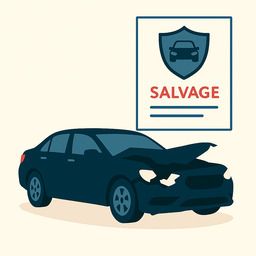
What Is Salvage in Car Insurance?
Date: Jun 1, 2026 - Last Modified Jun 2, 2026


Even careful drivers can sometimes face situations where their car gets damaged. This could be due to an accident, heavy rainfall, or other unexpected events. In some cases, the damage can be extensive. This can make repairs difficult or less practical. Understanding the term ‘salvage’ in these scenarios becomes helpful.
Many vehicle owners come across this term during the claims process. However, they may not fully understand what it means. Knowing how salvage in car insurance works can help them understand the car insurance policy process clearly and make informed decisions.
What Is Salvage in Car Insurance and How Does it Work?
Salvage in car insurance refers to a vehicle that has suffered major damage because of an accident or another unanticipated situation. In such cases, the insurance company checks whether repairing the car is practical based on its condition and repair costs.
Based on the inspection, different outcomes are possible.
Repaired and Rebuilt Vehicle
Sometimes, even after major damage, the vehicle may still be repairable. In such situations, the insurer may send it to an authorised garage for repairs. Once repaired, the vehicle may be used again.
Vehicle Declared as Salvage
If the repair cost becomes uneconomical compared to the vehicle’s condition, the insurer may classify it as salvage. The vehicle may then be dismantled for spare parts or sold as scrap.
Owner Retains the Vehicle
In some cases, the owner may choose to keep the vehicle and repair it personally after completing the required approvals and inspections.
This decision depends on the vehicle’s current condition and the insurer’s assessment.
Now that you know the salvage meaning in car insurance, let’s take a look at the various factors that influences it.
Factors That Affect Salvage in Car Insurance
Several factors are considered during the salvage assessment process.
Extent of Damage
The condition of the vehicle plays an important role. Vehicles with more serious damage may require extensive repairs.
Age of the Vehicle
Older vehicles may experience more wear and tear, which can affect repair decisions.
Repair Expenses
If repair costs become very high compared to the vehicle’s total value, the insurer may consider salvage options.
Demand for Spare Parts
Some vehicle models have a higher demand for spare parts, which may influence the salvage process in car insurance.
Vehicle’s Market Value
The insurer also considers the vehicle’s market value before the damage occurred.
What Does ‘Net of Salvage’ Mean in Insurance?
The term ‘net of salvage’ in car insurance refers to the final claim amount paid to the policyholder after adjusting the salvage amount of the damaged vehicle.
For example, if the Insured Declared Value (IDV) of the vehicle is ₹8,00,000 and the salvage amount is assessed at ₹1,20,000, the final claim payout would be ₹6,80,000 before applicable deductions.
Learning about ‘net of salvage’ is important because it helps policyholders understand how claim settlements are calculated in cases involving major vehicle damage.
Can You Keep a Salvage Vehicle After a Claim?
Yes, some vehicle owners may choose to keep their car even after it is declared salvage. This usually happens when the owner feels the vehicle can still be repaired or used in some way.
Here are a few things to keep in mind:
- The final claim amount may be adjusted based on the vehicle’s condition.
- Repair and maintenance expenses after the settlement are usually managed by the owner.
- The vehicle may require inspection and approval before it can be used again.
- Future insurance coverage for the vehicle may involve additional verification processes.
Knowing these points can help individuals decide whether keeping a salvage vehicle is the right option for them.
Why Car Insurance Is Important
Vehicle repairs can sometimes be expensive after accidents or unexpected damage. Without comprehensive car insurance, the owner may have to pay for these expenses from personal savings.
A comprehensive car insurance plan can cover repair costs caused by accidents, theft, natural disasters, and third-party liabilities, subject to policy wordings. This can help vehicle owners handle unexpected situations more comfortably and practically.
Add-On Covers That May Reduce Salvage Impact
Some add-on* covers available with comprehensive car insurance plans can reduce financial stress in situations involving major vehicle damage. These include:
Return to Invoice Cover
Return to Invoice (RTI) cover helps policyholders receive the original invoice value of the vehicle instead of the depreciated value in certain total loss situations. This may help reduce the financial gap during claim settlement. RTI cover is usually available for newer vehicles and is subject to policy terms and conditions.
Zero Depreciation Cover
Zero depreciation cover helps reduce depreciation-related deductions on replaced vehicle parts during claims. While it does not directly relate to salvage, it may help improve the overall claim amount for repair-related situations.
Conclusion
Salvage in car insurance refers to vehicles that have suffered major damage due to accidents or other unforeseen situations. Depending on the vehicle’s condition, the insurer may repair it, dismantle it for parts, sell it as scrap, or allow the owner to retain it.
Having a suitable car insurance from SBI General Insurance plan can also help vehicle owners stay financially prepared for unexpected situations on the road.
1. What is salvage in car insurance?
Salvage in car insurance refers to a vehicle that has suffered significant damage because of an accident, flood, fire, or another unexpected event.
2. Can a salvage vehicle be repaired?
Yes, some salvage vehicles may still be repaired depending on the extent of the damage.
3. Why do insurers declare a vehicle as salvage?
A vehicle may be declared salvage when repair costs are uneconomical compared to its condition and overall value.
4. Can the owner keep a salvage vehicle?
Yes, in some situations, the owner may choose to keep and repair the vehicle after completing the necessary approvals.
This blog is intended solely for educational and informational purposes. Content reflects data at time of publication and may not accurately reflect current premiums, terms, or regulations. Readers are encouraged to confirm the accuracy and relevance of the data before making any significant decisions. SBI General Insurance disclaims responsibility for any errors or consequences arising from the use of outdated information provided herein. For more details, please refer to the policy wordings and prospectus before concluding the sales. *Add-ons are subject to payment of additional premium.
Access and manage all your Insurance Needs in one place, right at your Fingertips.



4/5*
Access and manage all your Insurance Needs in one place, right at your Fingertips.


Vision
Our vision is to become the most trusted general insurer for a transforming India.
Mission
Our mission is to provide simple and innovative general insurance solutions, be responsive to our customers' needs and build a sustainable business for the future.
We're socially active!