


 Contact Us


 Other Insurance
What is the Green Tax for Vehicles in India?
Date: Feb 18, 2026 - Last Modified Feb 18, 2026


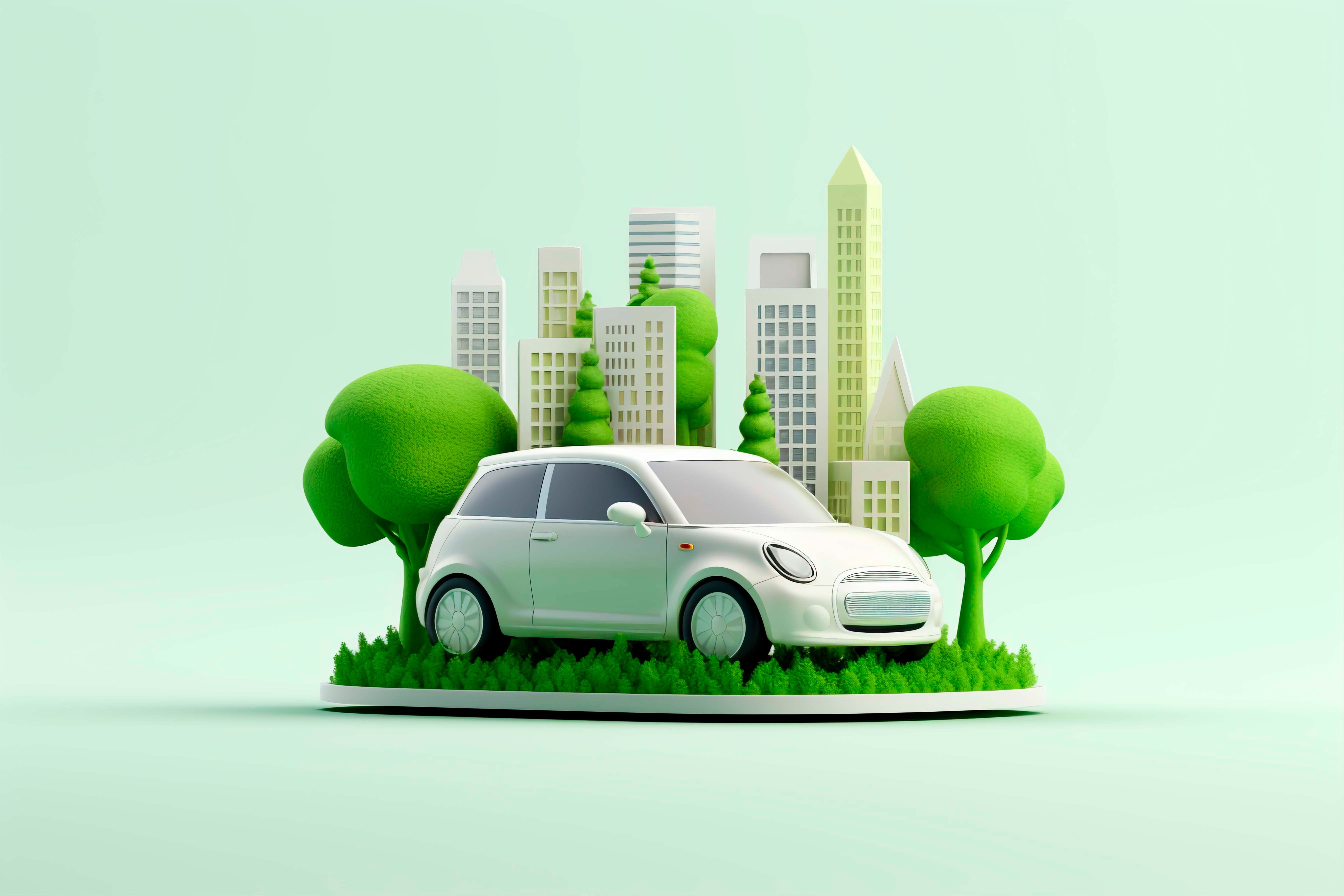
With growing concerns about pollution, many people in India are becoming increasingly aware of the importance of clean air. Cars and trucks are major contributors to this pollution, which is why the Indian government has proposed the green tax for vehicles. This tax aims to reduce vehicle emissions and encourage the use of cleaner alternatives. Let’s break down what this green tax means, who it affects, and what it entails.
What is Green Tax and What Does it Mean?
The green tax for vehicles refers to a fee set by the Indian government on cars and bikes that significantly pollute the air. Also referred to as pollution tax, it aims to discourage the use of older vehicles that produce more emissions while promoting cleaner options. This tax helps tackle the environmental issues caused by vehicle emissions and supports a more sustainable future.
The Ministry of Road Transport and Highways (MoRTH) proposed that the green tax should only be for vehicles over a certain age (vehicles more than 15 years old). This can encourage owners to retire older, more polluting models.
Note that, currently, the government has only proposed the green tax. More details shall be available once the government implements these tax rules.
Now that you know what the green tax is, let’s look at the vehicles that will be affected by it.
Vehicles Covered Under Green Tax
The green tax applies to both personal and commercial vehicles in India. Here’s how it breaks down:
Personal Vehicles: If your car or bike is over 15 years old, you will need to pay the green tax.
Commercial Vehicles: For taxis and trucks, the green tax kicks in if the vehicle is over 8 years old.
Notably, vehicles that run on CNG or electricity are usually exempt from this tax. This makes such vehicles a more attractive option for environmentally-conscious drivers.
Benefits of Green Tax Levied on Vehicles
The green tax on automobiles in India has its perks.
1. Encourages New Technology
The main idea behind the green tax is to motivate drivers to switch to newer vehicles. Older cars typically produce more harmful emissions than the latest models. By taxing older cars, the government encourages people to upgrade to cleaner, more efficient vehicles.
2. Reduces Pollution
Imposing a green tax on automobiles in India helps lower air pollution, especially in heavily populated areas. It discourages the continued use of older, more polluting vehicles, and can lead to cleaner air for everyone. This is crucial for cities grappling with serious air quality issues.
Alongside the green tax for vehicles, having motor insurance is an essential legal requirement for vehicle owners in India. While the green tax helps reduce pollution and encourages the use of cleaner vehicles, motor insurance provides crucial financial protection against unforeseen events.
Importance of Having a Motor Insurance Policy
Having a motor insurance policy is essential for every vehicle owner, as it provides financial protection against a variety of risks. In the event of accidents, theft, or damage, comprehensive motor insurance helps cover repair costs and liabilities, thereby protecting your finances.
Moreover, insurance often includes valuable features like roadside assistance and coverage for natural disasters. It enhances the overall driving experience. With rising road traffic and associated risks, having a reliable insurance policy offers peace of mind for drivers.
By investing in a motor insurance policy, vehicle owners not only protect their assets but also contribute to a safer road environment for themselves and others.
Conclusion
The green tax for cars and bikes is an important step towards reducing vehicle pollution and promoting eco-friendly transportation in India. By encouraging the retirement of older, high-emission cars and supporting cleaner options, the government is taking action for a healthier environment.
As vehicle owners, it's important to understand the green tax, keep up with payments, and ensure you have the right motor insurance as well. Together, these efforts can contribute to cleaner air and a safer future for everyone.
This blog is intended solely for educational and informational purposes. Content reflects data at time of publication and may not accurately reflect current premiums, terms, or regulations. Readers are encouraged to confirm the accuracy and relevance of the data before making any significant decisions. SBI General Insurance disclaims responsibility for any errors or consequences arising from the use of outdated information provided herein. For more details, please refer to the policy wordings and prospectus before concluding the sales. *Add-ons are subject to payment of additional premium.
Access and manage all your Insurance Needs in one place, right at your Fingertips.



4/5*
Access and manage all your Insurance Needs in one place, right at your Fingertips.


Vision
Our vision is to become the most trusted general insurer for a transforming India.
Mission
Our mission is to provide simple and innovative general insurance solutions, be responsive to our customers' needs and build a sustainable business for the future.
We're socially active!