


 Contact Us


 Other Insurance
Octane Number: Understanding Petrol Performance Ratings
Date: Jul 17, 2026 - Last Modified Jul 17, 2026


Fuel quality plays an important role in the performance and efficiency of petrol-powered vehicles. Different types of petrol are available in the market, and each comes with specific performance characteristics. One of the most commonly discussed fuel specifications is the octane rating.
Understanding how octane ratings work can help vehicle owners make informed decisions about fuel selection. It can help them understand how fuel interacts with engine design and operation.
Why Is the Octane Number Important for Your Vehicle?
The octane number is a measurement that indicates a fuel's ability to withstand compression before ignition. In simple terms, it shows how well petrol can perform inside an engine under pressure.
Here’s why it is important for your vehicle:
- Modern petrol engines are designed with specific fuel requirements. Manufacturers often recommend a particular octane rating to support smooth engine operation. Using fuel that matches the recommended specification helps the engine perform as intended.
- The octane number is particularly important in engines that operate at higher compression ratios. These engines generate more pressure inside the combustion chamber and may require fuel with greater resistance to premature ignition.
Many vehicle owners come across fuel options such as regular petrol and premium petrol at fuel stations. The difference between these options is often related to their octane ratings.
How Engine Knocking Is Related to Octane Ratings?
To understand the octane number meaning, it is useful to understand engine knocking.
Engine knocking occurs when fuel ignites at an unintended time inside the combustion chamber. Instead of burning smoothly, the fuel-air mixture may ignite unevenly, creating vibrations and knocking sounds.
The ability of petrol to resist this behaviour is measured by its octane rating. Fuels with higher ratings are designed to tolerate greater pressure before combustion begins.
Understanding the octane number meaning helps explain why different engines may require different petrol grades.
Manufacturers carefully design engines to operate efficiently with specific fuel ratings, which is why fuel recommendations are usually mentioned in the owner's manual.
How Octane Rating Affects Combustion Timing and Engine Performance
The relationship between fuel quality and combustion timing is an important part of engine performance.
When the fuel-air mixture burns smoothly, power delivery remains consistent. The octane rating helps determine how effectively the fuel performs under compression.
The octane number does not measure fuel quality in terms of cleanliness or energy content. Instead, it measures resistance to premature combustion.
Some high-performance vehicles are engineered to work with fuels that have higher octane ratings. In such vehicles, using the recommended fuel helps maintain intended operating characteristics.
Understanding the octane number can help vehicle owners better understand fuel labels and manufacturer recommendations.
Understanding the Different Types of Octane Numbers
There are different methods used globally to measure fuel octane ratings. These measurements are commonly referred to as types of octane numbers.
Research octane number (RON)
Measured under controlled testing conditions
Commonly displayed at fuel stations in many countries
Frequently used for comparing petrol grades
Motor octane number (MON)
Measured under higher engine loads
Reflects performance under more demanding operating conditions
Often used in technical fuel evaluations
Anti-knock index (AKI)
Commonly used in some international markets
Calculated using both RON and MON values
Provides a combined rating for consumers
These types of octane number categories help fuel manufacturers and vehicle engineers evaluate petrol performance under different operating situations.
Common Petrol Grades and Their Octane Ratings
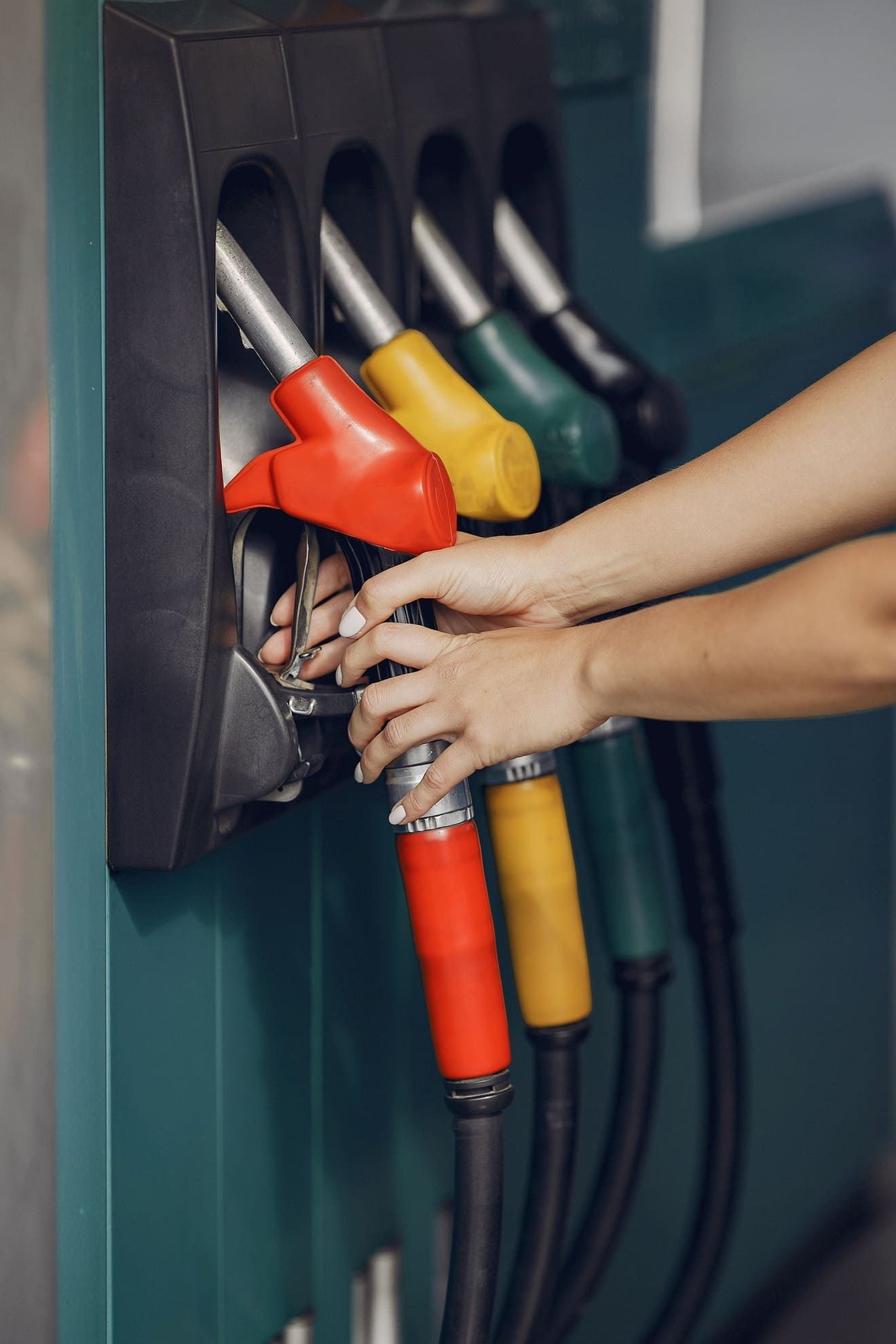
Fuel stations often provide multiple petrol options with varying octane levels.
Petrol Grade | Typical Octane Rating (RON) |
Regular Petrol | 91 |
Premium Petrol | 95 |
High Performance Petrol | 97–100 |
Understanding octane number meaning becomes easier when comparing these fuel grades. Higher-rated fuels are generally designed for engines that require greater resistance to knocking.
Does a Higher Octane Number Improve Vehicle Performance?
A common question among vehicle owners is whether higher octane fuel automatically improves performance. The answer largely depends on engine design.
For vehicles specifically engineered to use premium fuel, higher octane petrol may support the operating characteristics intended by the manufacturer.
However, the octane number primarily indicates resistance to knocking rather than fuel power or fuel economy.
Understanding octane number meaning can help vehicle owners choose fuel according to manufacturer recommendations rather than assumptions about performance improvements.
Vehicle maintenance is equally important alongside proper fuel selection. Maintaining valid car insurance and reviewing coverage during car insurance renewal can support responsible vehicle ownership along with regular servicing and fuel management.
Conclusion
Understanding octane ratings can help vehicle owners make informed fuel choices and better understand manufacturer recommendations. The octane number reflects a fuel's resistance to knocking and plays an important role in petrol engine operation. Learning about different octane measurements, fuel grades, and their applications can help drivers gain a clearer understanding of how petrol performance ratings are used in modern vehicles.
SBI General Insurance offers comprehensive motor insurance solutions that can complement responsible vehicle ownership and maintenance.
FAQs
1. Is 95-octane petrol better than 91-octane petrol for all vehicles?
The suitability of 95-octane petrol depends on the vehicle manufacturer's recommendations. Vehicles designed for regular petrol generally operate efficiently with 91 RON fuel, while some engines may benefit from higher-octane options.
2. How can I check the recommended octane rating for my car?
The recommended octane rating can usually be found in the vehicle owner's manual, fuel filler cap, or manufacturer specifications. Following the suggested fuel grade helps ensure proper engine operation.
3. Does high-octane fuel increase mileage?
Fuel efficiency depends on factors such as driving conditions, vehicle maintenance, engine design, and driving habits. High-octane fuel is primarily intended to provide greater resistance to engine knocking in suitable vehicles.
4. Can mixing different octane fuels damage the engine?
Mixing fuels with different octane ratings is generally common when refuelling. The resulting fuel will have an octane level between the two grades. Vehicle owners often follow manufacturer recommendations for fuel selection.
5. Why do premium fuels cost more than regular petrol?
Premium fuels usually undergo additional refining processes and may include performance-focused additives. They also offer higher octane ratings, which contributes to their pricing compared to regular petrol grades.
This blog is intended solely for educational and informational purposes. Content reflects data at time of publication and may not accurately reflect current premiums, terms, or regulations. Readers are encouraged to confirm the accuracy and relevance of the data before making any significant decisions. SBI General Insurance disclaims responsibility for any errors or consequences arising from the use of outdated information provided herein. For more details, please refer to the policy wordings and prospectus before concluding the sales. *Add-ons are subject to payment of additional premium.
Access and manage all your Insurance Needs in one place, right at your Fingertips.




4/5*
Access and manage all your Insurance Needs in one place, right at your Fingertips.



Vision
Our vision is to become the most trusted general insurer for a transforming India.
Mission
Our mission is to provide simple and innovative general insurance solutions, be responsive to our customers' needs and build a sustainable business for the future.
We're socially active!