


 Contact Us


 Other Insurance
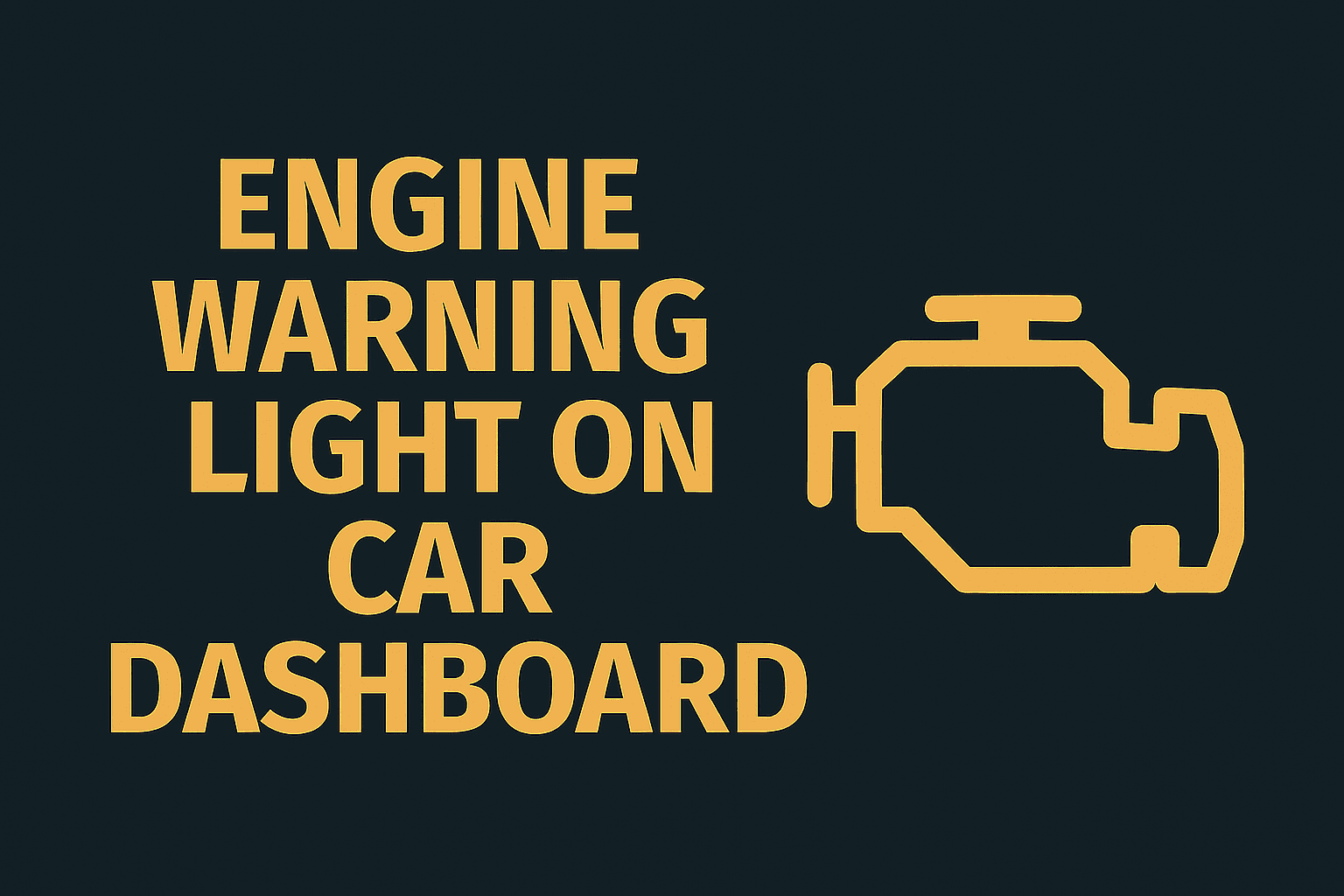
Engine Warning Light on Car Dashboard: What It Means & What to Do
Date: May 27, 2026 - Last Modified May 27, 2026


The engine warning light alerts drivers about possible engine, sensor, or emission-related issues in the vehicle. While some problems may be minor, others can lead to severe engine damage if ignored. Understanding its meaning, common warning signs, and immediate steps to take can help drivers maintain vehicle safety, avoid expensive repairs, and ensure smoother long-term performance.
What is an Engine Warning Light? What Does the Engine Symbol on the Dashboard Mean?
The check engine light, also called the CEL or Malfunction Indicator Lamp, is part of a vehicle’s onboard diagnostic system. It is commonly found in modern vehicles and helps monitor engine performance, emissions, and other important systems.
When this warning light appears on the dashboard, it usually means the vehicle has detected an issue that needs attention. In some cases, the problem may be minor, such as a loose fuel cap or a faulty sensor. A steady check engine light indicates an issue that should be inspected soon, but may not require immediate action.
However, if the light starts flashing, it could point to a more serious problem, such as an engine misfire or catalytic converter damage. Continuing to drive without checking the issue may lead to reduced performance, lower fuel efficiency, or expensive repairs over time.
Getting the vehicle inspected early can help identify the problem quickly and prevent further damage.
Solid vs Flashing Engine Warning Light - Key Difference
When drivers look at their car’s dashboard, the engine warning light could either be solid or flashing. Understanding the key difference between the two might be integral to know the severity and urgency of the issue.
Solid Engine Warning Light
A solid engine warning light usually indicates a less urgent issue that still might require inspection. In many cases, it may be triggered by problems such as a loose fuel cap, a faulty oxygen sensor, or minor sensor-related issues. While the vehicle may continue to run normally for some time, it is still advisable to get the system inspected early to prevent the problem from becoming more serious over time.
Flashing Engine Warning Light
A flashing engine light is a more severe issue that requires immediate attention. It may signal issues such as an engine misfire, overheating, or catalytic converter damage. Continuing to drive with a flashing warning light can increase the risk of severe engine damage and expensive repairs. Drivers should reduce speed, avoid long-distance driving, and arrange for a professional inspection as soon as possible.
Common Causes of the Engine Warning Light
Several mechanical or electronic issues may trigger the engine warning light. There are several engine warning light causes, ranging from simple issues to complex faults.
The common problems include:
Loose or Faulty Fuel Cap
A loose or damaged fuel cap is one of the most common reasons for the engine warning light. If the fuel filler cap is not tightly secured, it can set off the check engine light. This is because, it can cause fuel vapours to leak, affecting the emission system and triggering the light. It reduces fuel efficiency and can also be a safety risk.
Oxygen Sensor Malfunction
The oxygen sensor tracks the amount of unburned oxygen in the exhaust. If the sensor picks up a drop in the exhaust oxygen levels, the engine warning light might come on. A faulty sensor may reduce fuel efficiency, increase emissions, and activate the engine warning light in car systems.
Catalytic Converter Issue
The main function of the catalytic converter is to convert harmful emissions into less toxic gases. It can likely cause poor fuel economy and a lingering sulphur smell through the exhaust. Damage or blockage in this component may affect the engine performance, triggering the warning indicator.
Spark Plug or Ignition Coil Fault
The spark plugs or ignition coils are responsible for igniting the fuel-air mixture in the engine cylinders. Faulty spark plugs or coils can result in engine misfiring, rough performance, reduced fuel efficiency, and activation of the engine warning light. If the check engine light appears on the dashboard due to this issue, drivers should arrange for vehicle servicing as soon as possible to prevent further damage and maintain smooth engine performance.
What Should You Do When the Engine Light Comes On?
Seeing the engine warning light can be stressful, but knowing how to respond to it calmly can help prevent more significant problems.
Here are some of the most recommended steps:
- Remain calm and do not panic.
- Check whether the warning light is solid or flashing.
- Inspect the fuel cap for looseness or damage.
- Monitor unusual sounds, smoke, or performance issues.
- Get the vehicle inspected by a professional.
Vehicle technicians often use diagnostic tools such as OBD (On Board Diagnostics) to identify the fault code associated with the engine warning light.
To ensure that the check engine light does not appear again for the vehicle in the long run, periodic maintenance and careful driving are crucial.
How Does This Relate to Your Car Insurance?
Serious engine-related problems can sometimes result in high repair expenses, especially when warning signs are ignored for a long time. Depending on the intensity of the damage and the policy terms, these repair costs may or may not be covered under a car insurance policy.
To strengthen vehicle protection, car owners should consider opting for an engine protection add-on, which is designed to provide additional coverage for specific engine-related repair situations that are not usually included in a standard policy. This can be particularly useful in situations involving water ingression or lubricant leakage-related engine damage.
Similarly, add-ons like zero depreciation cover may help reduce out-of-pocket expenses during eligible claims by covering the depreciation value of certain vehicle parts.
Vehicle owners looking for wider financial protection can also explore suitable comprehensive car insurance plans from SBI General Insurance, along with add-on covers that support a more comprehensive ownership experience.
Conclusion
The engine warning light serves as an important alert indicating possible engine, sensor, or emission-related issues affecting the vehicle. Understanding warning signs, possible causes, and timely response measures can help drivers reduce repair costs, improve vehicle safety, and maintain smoother long-term vehicle performance.
Drivers can also consider car insurance plans from SBI General Insurance to stay better prepared for unexpected situations on the road and enjoy a more confident driving experience.
Frequently Asked Questions
1. What does the engine symbol on the dashboard mean?
The engine symbol on dashboard indicates a potential issue in the engine or emission system.
2. What causes the engine warning light to come on?
Common engine warning light causes include sensor faults, fuel cap issues, and ignition problems.
3. Is it safe to drive with the engine warning light on?
It depends on whether the light is solid or flashing. A flashing light requires immediate attention.
4. What is the difference between a solid and flashing engine light?
A solid light indicates a minor issue, while a flashing light signals a serious problem.
5. How do I reset the engine warning light?
The light usually resets after the issue is fixed. In some cases, diagnostic tools are used.
6. Does engine damage affect my car insurance claim?
Yes, coverage on the car insurance claim depends on policy terms and whether the damage is accidental.
7. What is an OBD2 scanner, and how does it help?
An OBD2 scanner reads error codes from the vehicle system, helping identify the cause of the engine warning light.
Access and manage all your Insurance Needs in one place, right at your Fingertips.



4/5*
Access and manage all your Insurance Needs in one place, right at your Fingertips.


Vision
Our vision is to become the most trusted general insurer for a transforming India.
Mission
Our mission is to provide simple and innovative general insurance solutions, be responsive to our customers' needs and build a sustainable business for the future.
We're socially active!