
Sbig App
Install our App to get easy Access toBuy, Link, Renew, Claim and More
Get

Understanding Visa-on-Arrival for Indians and Eligible Countries
blog
Feb 18, 2026
expertexpertexpert

Visa-on-arrival has made international travelling easier for Indians, opening up the world to us with little effort and paperwork. What’s more, the countries that allow a visa-on-arrival for Indians have made entry a breeze, with minimal formalities, with no long waits or complex applications. This allows for more impromptu holidays, short business trips, and quick escapes. Here’s all you need to know about visa-on-arrival for Indians, including the meaning of on-arrival visa, its types, the countries that offer it, and more.

What is Visa-on-Arrival for Indian Travellers?

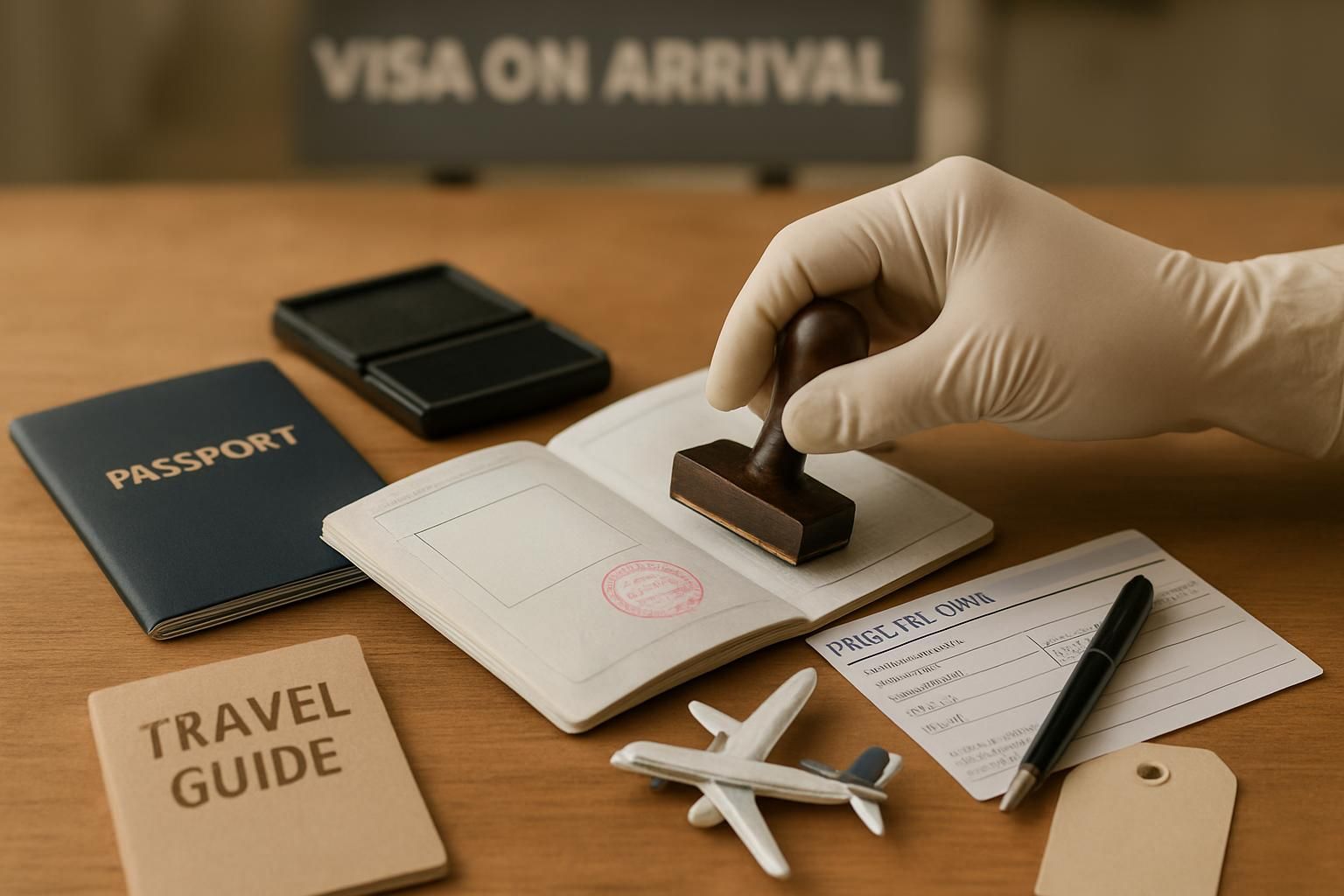
The meaning of 'on arrival visa' refers to a travel permission granted to Indian passport holders upon arrival at the immigration counter of their destination country, instead of obtaining it from an overseas embassy. Rather than apply weeks or months in advance, eligible tourists and businesspeople can receive the visa on landing, with due documentation and fee payment.

Countries that offer visa-on-arrival for Indians generally do so for a limited period for commercial or leisure purposes. Travellers are advised to check the rules, duration, and validity before making plans.

Features of Visa-on-Arrival

Visa on arrival comes with the following characteristics and terms:

  • Issued at Destination: A visa is granted upon arrival at an airport, seaport, or land crossing.

  • Time: Different countries have varying validity periods.

  • Purpose: Normally allowed for the purpose of tourism or short commercial visits, but not for employment.

  • Condition-based: Entry is granted on the basis of passport validity, bank statements, and travelling plans.

  • Cost: Certain countries levy arrival charges that travellers can pay upon arrival.

  • Need to Verify: Immigration rules may change suddenly and without notice; therefore, travellers should always check before leaving.

A visa on arrival for Indians is suitable for short-term travel plans but not for permanent stay or​‍​‌‍​‍‌employment.

Destinations Allowing Visa on Arrival for Indians in 2026

Here is a list of countries where a visa-on-arrival for Indians is available:

  • Angola

  • Bolivia

  • Cabo Verde (Cape Verde)

  • Cambodia

  • Cameroon Union Republic

  • Cook Islands

  • Ethiopia

  • Fiji

  • Guinea-Bissau

  • Indonesia

  • Iran

  • Jamaica

  • Jordan

  • Kenya

  • Kiribati

  • Laos

  • Madagascar

  • Mauritania

  • Myanmar

  • Nigeria

  • Qatar

  • Reunion Island

  • Republic of the Marshall Islands

  • Rwanda

  • Seychelles

  • Saint Lucia

  • Somalia

  • Sri Lanka

  • Suriname

  • Tajikistan

  • Tanzania

  • Thailand

  • Tunisia

  • Tuvalu

  • Vanuatu

  • Vietnam

  • Zimbabwe

Note: Visa policies change frequently. In addition, some countries require pre‑registration or an electronic travel authorization even if they offer VOA at certain ports. Always confirm with the destination’s embassy/official immigration website before booking.

What Documents are needed for a Visa on Arrival for Indians?

Although each country has specific rules, individuals may usually be asked to submit the following paperwork: 

  • An Indian passport, valid for a specific period (usually 6 months). 

  • Return tickets. 

  • Details about accommodation, hotel reservations, or invitations.

  • Evidence of funds to demonstrate the ability to finance your stay.

  • Required up-front fees (if any)

  • Travel insurance (compulsory in certain countries)

Having the proper documents ready will make immigration checks a breeze.

What are the Different Types of Visas?

While a visa-on-arrival for Indian passport holders gives convenience, travellers should also understand other visa categories. 

  1. E-visa:  This type of permit is an electronic approval that is submitted online before flying.  Even though planning is necessary, the ease of submitting applications makes it attractive for confirmed travel plans.
  2. Tourist Visa: A tourist visa, if issued by the destination's embassies or high commissions, permits a stay for leisure activities.
  3. Business Visa: A business visa enables Indian nationals to travel to participate in meetings, trade events, or commercial activities at the destinations.
  4. Work Visa: The work visa can be issued to those taking up work at their destination. An application for a work visa is made in the home country or a nearby embassy, and the process follows. Certain countries are work visa-free countries for Indians. However, terms and conditions apply.
  5. Medical Visa: Allows foreign patients to travel for specialised treatment unavailable locally. It requires hospital invitations, medical reports, proof of funds, and travel documents.

No matter which visa you have, a must-have on any international trip is a well-designed travel insurance policy. It fills gaps that a VOA cannot, such as covering emergency medical costs, evacuation, trip disruptions, and lost baggage, so you’re protected the moment you land.

Importance of Travel Insurance for Visa-on-Arrival Applicants

Unexpected events during a trip can be costly and disruptive. Travel insurance covers:

  • Sudden illnesses
  • Medical evacuation
  • Flight delays
  • Lost checked-in baggage, and more. 

It provides financial protection and 24/7 emergency assistance when local systems are unfamiliar. 

Some countries require a policy for entry, and having coverage speeds access to care and repatriation if needed. A travel insurance policy from SBI General can ensure peace of mind and financial security during your well-earned trips. 

Conclusion

The growing number of countries offering a visa-on-arrival for Indians makes it easier to travel.  Regardless, Indian travellers should ensure they have all relevant documents, meet the appropriate criteria, and know exactly how long and for what purposes they are allowed to enter. 

The other crucial aspect is travel insurance. A comprehensive policy from SBI General offers peace of mind by covering unforeseen contingencies, whether it is medical backup, an interruption of travel, or the loss of baggage. So, you can unwind and relish your planned trip with no financial worries.

FAQs:

1: Can a visa be declined on arrival?

Yes, a visa-on-arrival for Indians may be denied if the traveller does not meet the country's entry requirements. Typical reasons include falsification of documents, insufficient funds, validity issues, or lack of purpose demonstration. Final approval remains at the discretion of the country’s immigration officers.

2: What steps should be taken for a visa-on-arrival?

The process for a visa-on-arrival for Indians generally begins at the destination’s immigration counter upon arrival. Documents such as a passport, return tickets, hotel proof, and due payment must be submitted before a visa is issued.

3: Which countries offer visas-on-arrival for Indians?

Several countries where a visa-on-arrival for Indians is available include Thailand, Indonesia, Sri Lanka, Kenya, Qatar, Cambodia, and Tanzania. Rules may change, so always verify eligibility before travel.

4: Is a visa-on-arrival available for Indian passport holders for work?

No. Visas-on-arrival for Indians are generally for tourism or short business visits only. Work visa-free countries for Indians are rare, and employment in foreign countries requires a separate work visa.

This blog is intended solely for educational and informational purposes. The content may include outdated information regarding the topic discussed. Readers are encouraged to confirm the accuracy and relevance of the data before making any significant decisions. SBI General Insurance disclaims responsibility for any errors or consequences arising from the use of outdated information provided herein.

Recent Blogs

icon

Travel Insurance

Is your flight delayed or cancelled?

Here are some tips to plan ahead and stay composed in such situations. It is that time of the year when you look forward to celebrating the winter holidays with your loved ones. If you are a meticulous planner, you are likely to have spent days or even weeks to plan every step of your vacation. However, despite your exhaustive checklist, all that might be required to derail your travel plans, would be one unexpected delay or cancellation of a flight. This is no reason though for you to go into panic mode. Just a few precautions, knowledge of your air travel rights and being prepared with a few insider tricks, can help you stay composed in such anxiety-inducing situations. Know your air travel rights If your flight is delayed by more than two hours and less than 12 hours, then you are entitled to meals and refreshment at the airport according to regulations laid down by the Directorate General of Civil Aviation (DGCA). If your flight is delayed by over 12 hours, you are entitled to hotel accommodation along with transfers. In case your flight is cancelled, your carrier is bound to provide you a seat on the next available flight on that airline or give you a refund. You must know that the airline is under no obligation to compensate, if the delay is due to extraordinary circumstances such as natural disaster, civil war, political instability etc. Stay proactive In times of crisis, the gate agents and the airport staff are inundated with hundreds of requests while pacifying irate passengers, so it may be easier to call the airline’s customer service to get yourself rebooked on the next flight. Download the right apps You never know when you are likely to be faced with a situation when your flight is delayed or worse, cancelled. To keep yourself updated at all times, you can download apps such as FlightAware, Flight Board, GateGuru etc which will give you real time information on the status of your flights. Overseas travel Different rules apply for different airlines. If you are planning to travel to Europe you should familiarise yourself with the regulations applicable there. Usually if your flight is delayed for more than three hours in Europe, you may be entitled to compensation (anywhere from 50 to 600 euros) based on a few factors, including your flight distance and length of delay. Invest in travel insurance The best way to prepare for travel-related emergencies is to invest in a travel insurance policy. A typical travel insurance plan may cover losses stemming from medical bills, curtailment or cancellation of a flight, loss of personal belongings or baggage, and emergency evacuation. If travellers need coverage for other type of emergencies, additional coverage options are available and can be added to the standard travel insurance plan. Hold on your documents When you arrive at your final destination, make sure that you keep your boarding pass and other travel documents. Many airlines or insurance companies may reject a legitimate claim, if you do not have the relevant documents. You may be able to recover your expenses caused by flight delays, including missed reservation, for your hotel or car rentals, if you keep your original receipts and documents in place.
icon

Travel Insurance

Trying to Pack too much?

Trying to pack too much? Ten genius space saving tips to pack your suitcase A business trip or a family holiday, travel by train or air, domestic or international, if there are two elements that are common, they are the excitement of a journey, and the stress of packing your bags.With airlines being stricter with their baggage policy, you may get to check in one bag or maximum two depending upon the destination and airline. Similarly, if you are travelling by train, the prospect of lugging or pulling your bags from one platform to another, over long and high bridges, to your compartment and berth is daunting even for the strongest, hardened passenger. Therefore, a primary requirement ahead of every trip is to ensure that you travel light and smart and try and fit everything you need for your trip into one bag, so that it does not exceed weight limitations, and is easy for you to carry yourself. A piece of cake? Yes, absolutely, especially if you follow these simple but effective tips below: 1)Organise your Jewellery We usually pack all our jewellery in a pouch and stuff it in our bag, and then when you open the bag you realise that it is all tangled. To avoid such a situation, place your jewellery sets between sheets of plastic wrap, this will restrict their movement. For dainty chains, string the ends through straw to prevent them from tangling. To pack your earrings, organise them in a pill case compartment or in an old lip balm container. If you are packing really small studs, then fasten them through buttonholes. 2)Crease proof clothes When you are packing clothes that wrinkle easily, lay them flat inside a plastic dry-cleaning bag, and then fold as normal. The plastic will prevent creases from setting in. 3)Roll your clothes For saving space, roll your clothes instead of folding them. You will be surprised by how much more you can fit this way. 4)Cover Shoes Keep the dirty soles of your shoe away from your clothes by sticking them inside a shower cap. 5)Utilise empty spaces Stuff socks inside one shoe, so that it is easy for you to find them and it also saves space. The other shoe could be used to stuff bath products that won’t burst inside, such as shampoo bottle or shower gel. 6)Packing breakables To protect your favourite perfume bottle from breaking, slip it into thick socks. 7)Hairpins in a box Sometimes searching for hairpins in a big purse is like searching for a needle in a hay stack. Store the hairpins and clips in an old tic tac container for easy access. 8)Avoid Bulky bottles Instead of packing big bulky bottles of lotion, for a quick weekend trip, just pour a little bit of the product into a clean contact case or small air tight container. 9)Packing liquids To prevent liquid products from bursting and ruining everything else inside your bag, cut a small square of plastic wrap, unscrew the product’s lid, set the plastic wrap on top and secure it with a rubber band, then screw the lid back on. This way even if the lid pops open, no product can spill out. 10)Cap for your razor If your razor doesn’t have a protective cap or the cap has broken, use a large binder clip to cover the sharp blades.
icon

Travel Insurance

9 Best Places to Celebrate New Year’s Eve

New Year’s Eve is the perfect time to bid farewell to the past and welcome the future with joy, hope, and adventure. From fireworks to electrifying parties, the world offers an array of destinations where you can make your year-end celebrations unforgettable.
icon

Travel Insurance

A Comprehensive Guide to Monsoon Travel

The monsoon season, with its lush greenery and refreshing rains, offers an enchanting and challenging travel experience. With the proper preparation and mindset, travelling in the monsoon can be a delightful adventure. This guide provides essential tips and insights to ensure your monsoon trip is safe, enjoyable, and memorable. From packing the right gear to choosing the best destinations, we cover everything you need to know about monsoon travel. Tips for Travelling During Monsoon Stay Dry with Waterproof Gear: One of the most crucial aspects of monsoon travel is staying dry. Investing in high-quality waterproof gear, such as raincoats, umbrellas, and waterproof bags, is essential. These items will protect you and your belongings from getting soaked, ensuring a comfortable journey. Additionally, waterproof footwear can prevent slips and keep your feet dry, reducing the risk of infections. Check the Weather Before You Go: Weather conditions during the monsoon season can be unpredictable. It is advisable to check the weather forecast before and during your trip. This will help you plan your activities accordingly and avoid any potential hazards. Many weather apps provide real-time updates, which can be invaluable for making informed decisions about your travel plans. Skip Risky Activities: While the monsoon season enhances nature's beauty, it also brings certain risks. Trekking, hiking, and water sports can become dangerous due to slippery surfaces and strong currents. It is best to avoid these activities or choose safer alternatives. Always prioritise your safety and follow local advisories and guidelines. Be Careful with Street Food: Monsoon travel often includes indulging in local delicacies. However, the rainy season can increase the risk of foodborne illnesses. Be cautious when consuming street food and opt for freshly prepared, hot meals. Ensure that the food is cooked thoroughly and avoid raw or undercooked items. Drinking bottled water and avoiding ice in beverages can also help prevent stomach issues. Must-Have Items to Pack for Monsoon Travel Packing the right items can significantly impact your monsoon travel experience. Here are some essentials to include in your luggage: Waterproof clothing and footwear: To stay dry and comfortable. Quick-dry towels and clothing: These items dry faster and more conveniently during the rainy season. Insect repellent: To protect against mosquitoes and other insects. First-aid kit: Including essential medications and bandages for minor injuries. Power bank: To keep your electronic devices charged, especially in areas with frequent power outages. Travel insurance: Having the best travel insurance in India can provide peace of mind and cover unexpected expenses. Also Read: Benefits of Travel Insurance Health and Safety Tips for Monsoon Travel Maintaining health and safety during your monsoon trip is paramount. Here are some tips to keep in mind: Stay hydrated: Drink plenty of water, as the humidity can cause dehydration. Boost your immunity: Consume foods rich in vitamins and minerals to strengthen your immune system. Avoid stagnant water: Stagnant water can be a breeding ground for mosquitoes, increasing the risk of diseases like dengue and malaria. Clean your surroundings: Dispose of waste properly and avoid littering to maintain hygiene. Best Places to Visit During Monsoon Coorg: Known for its coffee plantations and scenic landscapes, Coorg is a safe place to visit during monsoon season. The region’s lush greenery and mist-covered hills create a picturesque setting, perfect for a relaxing getaway. Lonavala: With its stunning waterfalls and serene lakes, Lonavala is another ideal destination for monsoon travel. The cool climate and beautiful vistas make it a popular choice for travellers seeking a peaceful safe place to visit in monsoon. Goa: While Goa is famous for its beaches, the monsoon season reveals a different side of this vibrant destination. The rain-washed landscapes and fewer crowds offer a tranquil experience, making exploring Goa’s natural beauty a great time. Indonesia: Indonesia’s tropical climate makes it a year-round destination, but the monsoon season adds a unique charm. The lush rainforests and vibrant culture provide an unforgettable experience for travellers. Turkey: Turkey’s diverse landscapes and rich history make it an intriguing destination during the monsoon season. The cooler temperatures and fewer tourists allow a more relaxed exploration of its ancient cities and stunning coastlines. Thailand: Thailand’s monsoon season brings lush greenery and rejuvenated waterfalls. The country’s vibrant culture and delicious cuisine make it a delightful destination for monsoon travel. Conclusion Monsoon travel can be a magical experience if approached with the proper preparation and mindset. Following these tips and packing the necessary items can ensure a safe and enjoyable monsoon trip. Remember to check the weather, avoid risky activities, and prioritise your health and safety. With the best travel insurance in India, you can travel with peace of mind, knowing that you are covered for any unexpected situations. Embrace the beauty of the rainy season and explore the best destinations for a memorable monsoon adventure. Disclaimer: The above information is indicative in nature. For more details on the risk factor, terms and conditions, please refer to the Sales Brochure and Policy Wordings carefully before concluding a sale.