


 Contact Us


 Other Insurance
Everything You Need to Know About Travel Insurance
Date: Mar 11, 2024 - Last Modified Aug 3, 2026


Travelling is exciting. Be it a family holiday, a work trip, or an international getaway, every journey comes with new experiences.
However, travel plans do not always go as expected. Flight delays, lost baggage, medical emergencies, or last-minute cancellations can happen unexpectedly. This is where travel insurance can help. It can provide financial support during covered situations and help travellers deal with disruptions more smoothly.
In this article, we will learn about what is travel insurance, its different types, and practical tips for choosing the right plan.
What is Travel Insurance?
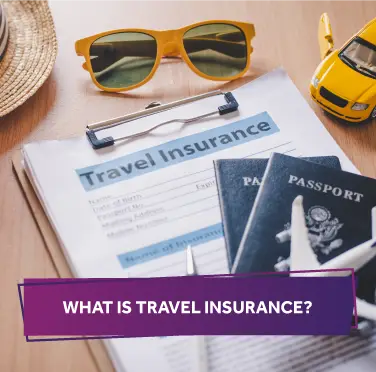
Travel Insurance is a type of insurance that helps protect individuals against certain travel-related risks. It can be useful for both domestic and international travel. Depending on the policy, it may provide coverage for:
- Medical emergencies
- Trip cancellations
- Baggage-related issues
- Flight delays
Other covered events
Different Types of Travel Insurance
Travel insurance plans are available for different kinds of travellers and trips.
Domestic Travel Insurance
Domestic travel insurance is designed for trips within India. While not mandatory, it can be useful in situations such as flight delays, trip cancellations, medical emergencies, or baggage-related issues during domestic travel.
International Travel Insurance
International travel insurance is meant for overseas trips. It may provide coverage for medical emergencies, passport loss, trip interruptions, missed connections, and other travel-related risks. Some countries may also require travel insurance as part of their visa process.
Single-Trip Travel Insurance
A single-trip travel insurance plan covers one specific journey, from the start of the trip until the traveller returns home. It is often suitable for occasional travellers.
Multi-Trip Travel Insurance
Frequent travellers may find a multi-trip plan more convenient. It provides coverage for multiple trips taken within the policy period, eliminating the need to purchase a new policy for every journey.
Senior Citizen Travel Insurance
These plans are designed for older travellers and may offer coverage for travel-related medical emergencies and other specified risks, helping them travel with greater confidence.
Group Travel Insurance
Group travel insurance is suitable for organised tours, corporate trips, or group vacations. It provides coverage for multiple travellers under a single policy, offering protection against covered travel-related emergencies.
If you'd like to explore these plans in more detail, read our comprehensive guide on types of travel insurance to understand which option is best suited for your travel needs.
What Does Travel Insurance Cover?
One of the most common questions travellers ask is, ‘What does travel insurance cover?’. The exact coverage depends on the policy chosen.
However, many plans may include coverage for:
Baggage-Related Coverage
Lost, delayed, stolen, or damaged baggage can disrupt a trip. Travel insurance may provide financial assistance for covered baggage-related inconveniences, subject to policy terms.
Passport Loss Assistance
Losing a passport while travelling abroad can be stressful. Some travel insurance plans may offer financial support and assistance with obtaining replacement travel documents.
Trip Cancellation Coverage
Unexpected situations, such as illness or other covered events, may force travellers to cancel their plans. Travel insurance may help recover certain non-refundable expenses, depending on the policy.
Trip Delay Coverage
Travel plans can be affected by flight delays, bad weather, or other unforeseen circumstances. Certain travel insurance plans may provide support for covered delays and related expenses.
Medical Emergency Coverage
Medical treatment during travel can be expensive, especially abroad. Travel insurance may help cover eligible medical expenses and hospitalisation costs incurred during the trip.
Personal Accident Coverage
Travel insurance may provide financial support in the event of accidental permanent disability or death during the policy period, as per the coverage selected.
Medical Evacuation and Repatriation Coverage
In serious medical situations, emergency transportation to a suitable medical facility may be required. Certain travel insurance plans may cover medical evacuation and repatriation expenses, where applicable.
Personal Liability Coverage
If a traveller is held legally liable for accidental injury to a third party or damage to property during the trip, travel insurance may provide coverage for such liabilities, subject to policy conditions.
It is always a good idea to read the policy documents carefully to understand the coverage, exclusions, and conditions that apply.
Importance of Travel Insurance
Travel insurance can offer valuable support when things do not go as planned during a trip. Some of its key benefits may include:
Financial Protection
Helps manage expenses arising from covered travel disruptions.
Medical Emergency Support
Can provide assistance during covered medical emergencies while travelling.
Baggage Assistance
May offer support in case of lost, delayed, or damaged baggage.
Trip Disruption Coverage
Can help when trips are cancelled, delayed, or interrupted due to covered reasons.
Emergency Travel Assistance
Can provide support during certain emergencies, especially while travelling abroad.
Common Exclusions in Travel Insurance
Travel insurance can provide valuable support during unexpected situations, but it is equally important to understand what may not be covered. Coverage and exclusions can vary from one policy to another, so always review the policy documents carefully.
The following are some of the common exclusions:
Medical conditions that existed before purchasing the policy, unless specifically covered.
Travelling despite medical advice against doing so.
Self-inflicted injuries.
Claims arising from the use of alcohol or prohibited substances.
Adventure or high-risk activities that are not covered under the policy.
Losses resulting from unlawful or illegal activities.
To understand the complete list of exclusions in detail, read What Does Travel Insurance Not Cover.
Tips for Choosing the Right Travel Insurance Plan
Many travellers wonder, what is the best travel insurance for international travel? Choosing a travel insurance plan becomes easier when you know what to look for. Here are some tips to consider:
Understand Your Travel Needs
A short domestic trip and a long international holiday may require different levels of coverage. Choose a plan based on your travel plans.
Check Coverage Limits
Review the coverage limits for medical expenses, baggage protection, trip cancellations, and other benefits before making a decision.
Read the Exclusions
Knowing what is not covered is just as important as knowing what is covered. Always read the exclusions carefully.
Compare Different Plans
Comparing different plans can help you find one that suits your destination, travel duration, and budget.
Consider International Travel Requirements
Many travellers ask what is the best travel insurance for international trips. The answer depends on factors such as your destination, age, travel duration, and coverage needs.
Conclusion
Regardless of how carefully a trip is planned, unexpected situations can arise while travelling. Travel insurance offers financial support and assistance during covered events. It helps individuals handle travel disruptions with greater ease.
Before purchasing a policy, take time to understand the coverage, exclusions, and policy terms. SBI General Insurance offers travel insurance solutions for different travel needs and destinations.
FAQs
1. What is covered under travel insurance?
Travel insurance may cover medical emergencies, hospitalisation expenses, trip cancellations, baggage loss, flight delays, passport loss, and other specified travel-related risks, depending on the policy.
2. Is travel insurance mandatory for international trips?
Travel insurance is not mandatory for every international destination. However, some countries require visitors to have valid travel insurance as part of their visa requirements.
3. How much does travel insurance cost in India?
The cost of travel insurance varies based on factors such as destination, trip duration, traveller age, coverage selected, and policy benefits.
4. Does travel insurance cover medical emergencies abroad?
Many travel insurance policies provide coverage for medical emergencies and hospitalisation expenses incurred during international travel, subject to policy terms and conditions.
5. Can I buy travel insurance after booking my flight?
Yes. In most cases, travellers can purchase travel insurance after booking their flight, provided the policy is purchased before the trip begins.
This blog is intended solely for educational and informational purposes. Content reflects data at time of publication and may not accurately reflect current premiums, terms, or regulations. Readers are encouraged to confirm the accuracy and relevance of the data before making any significant decisions. SBI General Insurance disclaims responsibility for any errors or consequences arising from the use of outdated information provided herein. For more details, please refer to the policy wordings and prospectus before concluding the sales. *Add-ons are subject to payment of additional premium.
Access and manage all your Insurance Needs in one place, right at your Fingertips.




4/5*
Access and manage all your Insurance Needs in one place, right at your Fingertips.



Vision
Our vision is to become the most trusted general insurer for a transforming India.
Mission
Our mission is to provide simple and innovative general insurance solutions, be responsive to our customers' needs and build a sustainable business for the future.
We're socially active!