


Install our App to get easy Access toBuy, Link, Renew, Claim and More
GetAll About Calcium: Benefits, Deficiency, and Sources
Aug 5, 2024


Have you ever wondered why calcium is so essential for your body? You might think it’s just about strong bones, but there's so much more. From keeping your muscles moving smoothly to ensuring your heart beats properly, calcium plays a crucial role in our overall health.
Let's dig into the world of calcium, explore its benefits, recognise the symptoms of calcium deficiency, and find the best sources to keep your levels up.
What is Calcium?Calcium is a mineral that's crucial for maintaining various functions in your body. It's most famous for building strong bones and teeth, but it also supports muscle function, helps with blood clotting, and even plays a role in sending messages through your nervous system. Basically, calcium is essential for keeping your body running smoothly.
Health Benefits of Calcium- Bone Health
When we talk about calcium, the first thing that comes to mind is its role in bone health. Calcium is vital for developing new bones and maintaining the strength of existing ones.
This mineral helps you grow strong bones in your childhood and teenage years and keeps them robust as you age. Without enough calcium, your bones can become weak and brittle, leading to conditions like osteoporosis.
- Muscle Function
Calcium is crucial for muscle function. It helps with muscle contraction and relaxation, which is essential for all sorts of movements.
Calcium ensures your muscles work correctly, whether you're lifting weights at the gym or simply walking down the street. A calcium deficiency can lead to muscle cramps and spasms, which can be uncomfortable.
- Cardiovascular Health
Your heart, being a muscle, relies on calcium to beat correctly. Calcium helps regulate your heartbeat by aiding in the contraction of heart muscles. It also plays a massive role in maintaining healthy, regular blood pressure levels.
Adequate calcium intake can help prevent high blood pressure and support overall cardiovascular health.
- Nervous System
Calcium is also crucial for the nervous system. It helps transmit nerve impulses, messages sent from the brain to different body parts. This process is essential for everything from moving your hand to speaking.
- Blood Flow
Calcium assists with blood flow by helping blood vessels expand and contract. This ensures that your blood circulates properly throughout your body. Good blood flow delivers oxygen and nutrients to your tissues and organs. Inadequate calcium levels can disrupt this process, affecting your overall health.
Without enough calcium, nerve signalling can become inefficient, leading to many problems.
- Causes
Calcium deficiency, also known as hypocalcemia, can be caused by various factors. A diet low in calcium-rich foods, insufficient vitamin D (which helps absorb calcium), certain medical conditions like hypoparathyroidism, and some medications can all contribute to low calcium levels. Understanding these causes can help you take steps to prevent deficiency.
- Symptoms
The symptoms of calcium deficiency can vary from mild to severe. They include muscle cramps, numbness and tingling in fingers, fatigue, abnormal heart rhythms, poor appetite, and even seizures. Long-term deficiency can lead to serious health issues like osteopenia and osteoporosis, confusion, memory loss, dry skin, tooth decay, gum disease, and rickets in children.
- Health Risks
Calcium deficiency can lead to several health risks, mainly affecting your bones and teeth. Osteoporosis, a condition where bones become weak and brittle, is a significant risk associated with prolonged calcium deficiency. Additionally, low calcium levels can cause muscle cramps and spasms, increase the risk of cardiovascular diseases, and impair nerve function.
- Dairy Sources
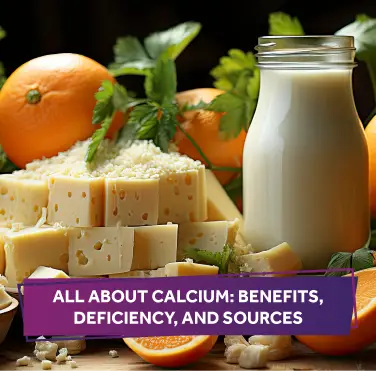
Dairy products are among the most well-known sources of calcium. Milk, cheese, yoghurt, and other dairy products provide significant calcium, making them an excellent addition to your diet. These foods are also rich in other essential nutrients like protein and vitamins.
- Non-Dairy Sources
Plenty of other foods can help you meet your calcium needs if you're lactose intolerant or prefer non-dairy options. Dark green leafy vegetables such as broccoli, kale, and turnip greens are great choices. Almonds, fish with edible bones like sardines and canned salmon, tofu, and fortified foods such as cereals orange juice, and plant-based milk alternatives like almond or soy milk are also excellent sources of calcium.
Vitamin D is crucial for calcium absorption. Without enough vitamin D, your body can't absorb calcium efficiently, no matter how much you consume. Sun exposure, certain foods like fatty fish and fortified products, and supplements can help you maintain adequate vitamin D levels, ensuring your body can make the most of the calcium you consume.
Recommended Daily IntakeThe amount of calcium you need usually differs by age and gender. Adults typically need around 1000 mg daily, which increases to 1200 mg for women over 50 and men over 70. Children and teenagers need between 1300 mg and 1500 mg daily to support their growing bones. Women who are pregnant and breastfeeding also usually have higher calcium needs. It's important to meet these requirements to maintain optimal health.
Managing Calcium LevelsManaging calcium levels involves consuming a balanced diet rich in calcium and ensuring adequate vitamin D intake. Regular exercise, particularly weight-bearing exercises, can also help maintain bone health. If you have difficulty getting enough calcium from food, supplements may be necessary, but it's best to consult a healthcare professional before starting any supplementation.
Calcium and Disease Prevention RoleCalcium plays a significant role in preventing diseases like osteoporosis and fractures. Adequate calcium intake can help maintain bone density and strength, reducing the risk of these conditions. It also supports cardiovascular health by helping to regulate blood pressure. Ensuring you get enough calcium can improve overall health and reduce the risk of several chronic diseases.
Frequently Asked Questions (FAQs)- How much calcium do I need?
The recommended daily calcium intake varies based on age, gender, and life stage. Generally, adults need about 1000 mg daily, with higher needs for older adults and teenagers.
- How much vitamin D intake is recommended?
Adults typically need around 600-800 IU of vitamin D daily, which can vary based on individual needs and health conditions. You should always consult a healthcare provider recommended for personalised advice and see what their opinion is.
- Is there anything that interferes with the body's ability to absorb calcium?
Yes, factors such as low vitamin D levels, high sodium intake, excessive caffeine, and certain medications can interfere with calcium absorption.
- Why does the body need vitamin D to absorb calcium?
Vitamin D aids your body in absorbing calcium from the food you eat daily. Without enough vitamin D, even a diet high in calcium won't prevent deficiency.
- Is it harmful to consume too much calcium?
Yes, excessive calcium intake can lead to health issues like kidney stones, hypercalcemia, and impaired absorption of other minerals. It's essential to stick to recommended guidelines.
Conclusion
Understanding calcium's importance, recognising deficiency symptoms, and knowing the best food sources can help you maintain healthy calcium levels. Given the risks associated with calcium deficiency diseases, staying informed and proactive is vital.
Investing in health insurance, like SBI General Insurance's Health Insurance, ensures you can access necessary medical support without financial stress. Prioritise your health by monitoring your calcium intake and considering comprehensive health coverage.
Disclaimer: The above information is indicative in nature. For more details on the risk factor, terms and conditions, please refer to the Sales Brochure and Policy Wordings carefully before concluding a sale.This blog is intended solely for educational and informational purposes. The content may include outdated information regarding the topic discussed. Readers are encouraged to confirm the accuracy and relevance of the data before making any significant decisions. SBI General Insurance disclaims responsibility for any errors or consequences arising from the use of outdated information provided herein.
Recent Blogs

Health Insurance
6 Healthy Habits For Families
The key to long-term health is to get the entire family involved. Right from making healthy food choices to leading an active lifestyle – incorporating healthy habits in your daily lifestyle can be simple and practical when everyone in the family is working towards the same health goals.
Over here we discuss 6 healthy habits for families. You can add these habits into your daily routine to ensure your family’s good health.
6 Healthy Habits for Families
Eating a healthy diet, together as a family
The easiest of all family eating habits to cultivate is eating together. In today’s hectic world, eating together may be a challenge, but it’s worth making the efforts. There are several benefits of eating together. Eating together will help everyone in your family stick to scheduled meal times. Combine this habit with a healthy diet. Make a variety of healthy food choices, preferably food made at home so that family members, especially children do not look for junk food.
Make meal prep a fun activity
For family health benefits, it is essential to lead by example.Make healthy food choices so that your children can follow suit. A great way to promote healthy eating habits is to invite your children to be part of the cooking process. Help them choose the recipe and shop the ingredients. This will go a long way in inculcating healthy food choices in children.
Have no-phone zones
Apart from instilling good and healthy family habits and practices with regards to meals, it helps to turn meal hours into exclusive family hours with no interruptions. Having no phone zones at the dinner table and in the bedroom can encourage your family members to get moving and spend less time sitting. Encourage your kids to play outside. Planning fun activities like play board games and treasure hunts with your children can prove to be highly rewarding.
Be more active as a family
Staying active as a family doesn’t have to be boring! You can let every family member choose one activity for every week. From taking strolls to doing yoga together, from biking to swimming, many fun-filled activities can help you and your family burn some calories, relieve stress, while forming healthy family habits and practices.
Practice hand hygiene
As a family, make sure everyone follows hand hygiene. Wash hands after going to the restroom, before preparing food, after touching a pet, changing a diaper, blowing your nose, coughing, or handling garbage. You can also make a 20-second song so that children thoroughly wash their hands.
Do not skip medical tests
The importance of keeping track of your health cannot be emphasised enough. By undergoing regular medical check-ups you can help your family make informed health care decisions. It can help you catch health problems in the early stages and make lifestyle changes accordingly. Do include dental and eye checkup for yourself and your children in the annual medical checkup. To reap family health benefits, it’s important to take the right precautions, at the right time and make the right changes to avoid the most common health illnesses
Why is family insurance a must?
Illnesses don’t come knocking on the door. So, it only makes sense to have a backup plan in case you or your family member falls sick or needs hospitalisation in case of an accident or a health condition. With medical expenses skyrocketing, a health insurance policy is the best protection cover for a family. A comprehensive health insurance plan will give you that peace of mind regarding your family’s health and your financial well-being.
Disclaimer: The above information is indicative in nature. For more details on the risk factor, terms and conditions, please refer to the Sales Brochure and Policy Wordings carefully before concluding a sale.
Health Insurance
10 Worst Diseases That Smoking Can Cause
Smoking causes diseases but it is one of the most preventable causes of death worldwide. Every puff of a cigarette exposes the body to many harmful chemicals which can cause serious health problems. As awareness of these risks increases, so does the importance of having a reliable health insurance plan to help manage the financial burdens associated with these diseases.
Health Insurance
12 Foods With More Vitamin C Than Oranges
Vitamin C, also known as ascorbic acid, is an essential nutrient that plays a vital role in maintaining overall health. It is a powerful antioxidant that helps protect cells from damage caused by free radicals. Additionally, vitamin C is crucial for the growth, development, and repair of all body tissues. It aids in the formation of collagen, absorption of iron, and the proper functioning of the immune system.
Health Insurance
20 Foods High in Vitamin A: A Guide to Boosting Health Through Diet
Vitamin A is a vital nutrient that plays a key role in maintaining overall health, supporting vision, immune function, skin health, and more. As a fat-soluble vitamin, vitamin A exists in two main forms: retinoids (found in animal products) and carotenoids (found in plant-based foods). Retinoids are readily usable by the body, while carotenoids must be converted into the active form of vitamin A.
Access and manage all your Insurance Needs in one place, right at your Fingertips.


4/5*
Access and manage all your Insurance Needs in one place, right at your Fingertips.


Vision
Our vision is to become the most trusted general insurer for a transforming India.
Mission
Our mission is to provide simple and innovative general insurance solutions, be responsive to our customers' needs and build a sustainable business for the future.
We're socially active!


