


 Contact Us


 Other Insurance
How to Claim Two-Wheeler Insurance?
Date: Sep 24, 2021 - Last Modified Oct 5, 2026


To raise a two-wheeler insurance claim, the policyholder should inform the insurer soon after the accident, theft or damage and submit the required documents for verification. In most cases, the insurer arranges a vehicle inspection when approving the claim. Depending on the policy terms, the bike can either be repaired at a network garage through a cashless facility or repaired elsewhere and claimed later through reimbursement. Reporting the incident on time and keeping all documents ready can help make the process smoother and less stressful.
What is a Bike Insurance Claim?
A bike insurance claim is a formal request made to the insurer for compensation after your two-wheeler suffers damage, theft, or loss covered under the policy. Depending on your policy type, you may claim for vehicle damage, theft or third-party liabilities.
After receiving the request, the insurer verifies the documents, assesses the loss and settles the claim according to the policy terms and conditions.
Types of Bike Insurance Claims
Third-Party Claim
A third-party bike insurance claim is filed when your bike causes injury, death or property damage to another person. Third-party insurance is mandatory in India under the Motor Vehicles Act.
Own Damage (OD) Claim
An own damage bike insurance claim covers damage caused to your bike due to accidents, natural disasters, fire, theft, or vandalism. This benefit is available under comprehensive and standalone own-damage policies.
Theft Claim
If your bike gets stolen, the first thing you should do is file a complaint with the police and inform your insurance company as soon as possible. Once the police complete their investigation and issue a non-traceable certificate stating that the vehicle could not be recovered, the insurer begins processing the claim after verifying the required documents.
Documents Required for Insurance Claim
When going through the bike insurance claim procedure, insurers typically require the following documents for smooth processing:
Core Documents:
- Bike insurance policy copy – Your active policy document
- Registration Certificate (RC) – Original or certified copy
- Driving License – Valid rider's driving license
- Claim form – Duly filled and signed
Supporting Documents:
- Photographs of damage – Clear images showing the extent of damage
- Original repair invoices – From authorized service centers
- Payment receipts – Proof of repair costs incurred
For Theft or Serious Accidents:
- FIR (First Information Report) – Copy of the police report filed.
Pro Tip: Review all documents carefully before submission. Missing or incomplete paperwork is the primary cause of claim delays. Organise documents in order and maintain a checklist to ensure nothing is overlooked during the claim process.
Steps to File a Third-party Insurance Claim
Now that you know the documents you are likely to need, here’s how to claim two-wheeler insurance:
- Inform your insurance company immediately after the accident.
- File an FIR if there is injury, death or property damage involving a third party.
- Collect details such as witness statements, photographs and accident records.
- Share all the necessary documents with the insurance company for verification.
- In certain cases, the claim may be reviewed by the Motor Accident Claims Tribunal (MACT) before settlement.
- Stay in touch with the insurer and cooperate with the concerned authorities during the process.
Third-party claims can take longer than regular damage claims because they often involve legal procedures and liability verification.
Steps to File a Claim under the OD Cover
- Inform the insurer as soon as possible after the incident.
- Register the claim online, through the app or via customer support.
- Share details such as policy number, location and nature of damage.
- Arrange for vehicle inspection by the insurer’s surveyor before repairs begin.
- Get the bike repaired at a network garage for cashless service or at another garage for reimbursement.
- Submit all bills and required documents for settlement.
Many riders successfully complete their claim process without hassle simply by reporting the incident promptly and keeping their documents ready.
Cashless vs Reimbursement Claim
When raising a claim, you will come across two types of claims: cashless and reimbursement claims. Here are the main points of difference between the two:
Garage Type | Network garage | Non-network garage |
Payment Process | Insurer settles directly with garage | Policyholder pays first |
Documentation | Minimal paperwork | Bills and receipts required |
Convenience | Faster process | Slightly time-consuming |
Claim Settlement | Direct settlement | Reimbursed later |
Common Reasons for Claim Rejection
Bike insurance claims may sometimes get rejected due to avoidable mistakes.
- One of the most common reasons is delayed reporting. If the insurer is not informed within the required timeline, the claim may not be accepted.
- Claims may also be denied if the rider is unable to provide a valid driving licence or if the insurance policy has already lapsed.
- There are also situations where bike owners get repairs done before the insurer carries out an inspection, which can sometimes lead to complications during the claim assessment process.
- Sharing incorrect details or leaving out important information can also lead to claim rejection.
In the same way, insurers usually do not approve claims linked to drunk driving or careless riding. - Incomplete paperwork is another common reason for delays. Missing documents such as FIR copies, repair invoices or claim forms can slow down the settlement process or affect approval.
Going through the bike insurance policy terms carefully and following the insurer’s claim procedure can help minimise such issues.
Tips for a Smooth Bike Insurance Claim Process
- Inform the insurer immediately after the accident or theft.
- Avoid getting the bike repaired prior to the inspection.
- Record proof of damage by taking photographs.
- Safely store all original bills and receipts.
- Use authorised garages as much as possible.
- Read policy inclusions and exclusions carefully.
Simple steps like these can make a major difference during claim settlement.
Conclusion
The bike insurance claim process becomes much easier when you understand the required steps in advance. Timely reporting, proper documentation and following the insurer’s guidelines can help avoid unnecessary delays and make settlement smoother. Being prepared can save both time and financial stress during unexpected situations.
With SBI General Insurance, policyholders can also benefit from a seamless digital claims process and access to network garages for added convenience during unexpected situations.
Frequently Asked Questions
1. Can I claim bike insurance without an accident?
Yes, claims may also be filed for theft, fire damage, natural disasters or vandalism, depending on the policy coverage.
2. How to claim insurance after an accident?
Inform the insurer immediately, register the claim, arrange vehicle inspection and submit the required documents for processing.
3. Can I claim bike insurance after repair?
For reimbursement claims, yes. However, repairs should ideally begin only after the insurer’s surveyor inspects the bike.
4. How many days to claim bike insurance?
Most insurers expect the incident to be reported within 24 to 48 hours. Delayed reporting may affect claim approval.
This blog is intended solely for educational and informational purposes. Content reflects data at time of publication and may not accurately reflect current premiums, terms, or regulations. Readers are encouraged to confirm the accuracy and relevance of the data before making any significant decisions. SBI General Insurance disclaims responsibility for any errors or consequences arising from the use of outdated information provided herein. For more details, please refer to the policy wordings and prospectus before concluding the sales. *Add-ons are subject to payment of additional premium.
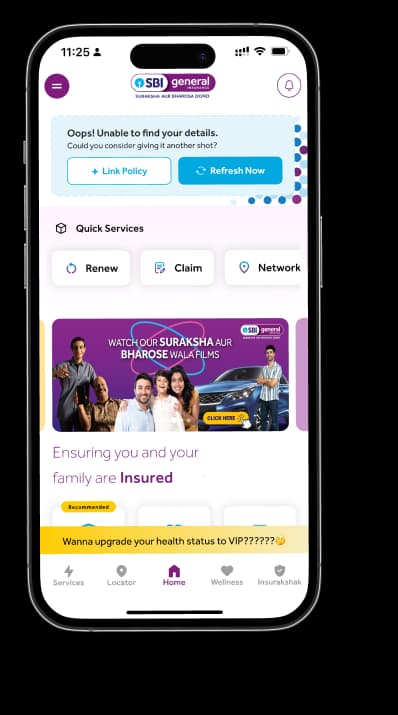
Access and manage all your Insurance Needs in one place, right at your Fingertips.



4/5*
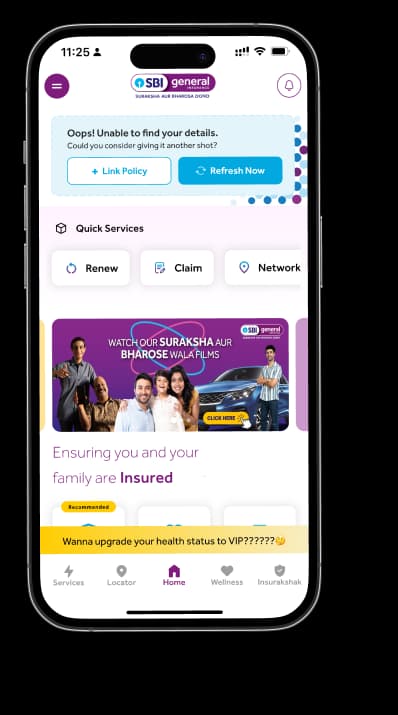
Access and manage all your Insurance Needs in one place, right at your Fingertips.


Vision
Our vision is to become the most trusted general insurer for a transforming India.
Mission
Our mission is to provide simple and innovative general insurance solutions, be responsive to our customers' needs and build a sustainable business for the future.
We're socially active!