


 Contact Us


 Other Insurance
Cybersecurity in Healthcare: Threats, Importance & Strategies
Date: Dec 5, 2024 - Last Modified Mar 27, 2026


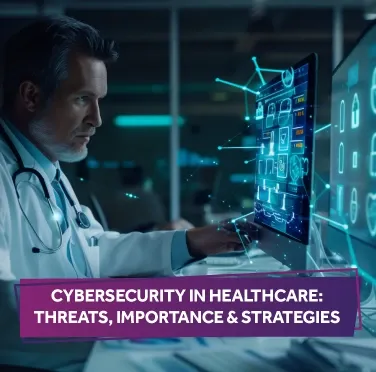
In the rapidly digitizing world of healthcare, protecting sensitive patient data has become increasingly challenging. The reliance on technology and digital records has exposed the sector to numerous cyber threats, making cybersecurity essential.
The importance of cyber security in healthcare extends beyond data protection; it is crucial for maintaining patient trust, meeting regulatory requirements, and ensuring smooth operations. This article explores the current threats to healthcare cybersecurity, effective protection strategies, and the role of cyber insurance in mitigating potential losses.
Crucial Elements of Cybersecurity in Healthcare
Data Protection
Data protection is the bedrock of cybersecurity and healthcare, involving safeguarding patient information from unauthorized access, breaches, and cyberattacks. Protecting health data helps comply with laws like HIPAA and GDPR, and it reinforces trust between patients and providers.
Effective strategies for data protection include:
- Access Controls: Only authorized personnel should have access to patient data. Strict access policies help prevent unauthorized usage.
- Regular Audits: Conducting routine assessments helps identify and mitigate data vulnerabilities.
- Patient Empowerment: Giving patients control over their health information strengthens transparency and promotes trust. Secure access to records enables them to review and manage their data responsibly.
Risks and Challenges
Healthcare organizations face a wide range of cybersecurity threats and challenges, including:
- Cyberattacks: With an uptick in ransomware and phishing incidents, the risk of data breaches is ever-present. These attacks disrupt operations and can endanger patient safety by compromising health records.
- Outdated Technology: Many healthcare systems operate on outdated software that may lack recent security patches, leaving them vulnerable to attacks.
- Complex Regulations: Navigating healthcare data regulations like HIPAA, GDPR, and emerging local frameworks can be complex. Non-compliance can lead to penalties, increasing the importance of structured cybersecurity protocols.
Encryption
Encryption is a fundamental aspect of protecting patient data by encoding information so only authorized personnel can access it.
Key encryption practices include:
- Data Transmission Security: Encrypting data during transfer between systems or networks ensures patient data remains confidential when shared.
- Compliance with Regulations: Encryption supports compliance with laws protecting Protected Health Information (PHI) by making data unreadable to unauthorized users, reducing breach risks.
- Enhancing Patient Trust: When healthcare providers, including network hospitals, prioritize encryption, it assures patients that their personal information is secure.
Cyberattacks Against Medical Devices
- Increasing Cybersecurity Risks: The growing reliance on interconnected medical devices presents new cybersecurity challenges.
- High Vulnerability Count: Recent studies have identified nearly a thousand vulnerabilities in medical devices, many of which are critical.
- Data and Safety Risks: These vulnerabilities put sensitive patient data at risk and, in extreme cases, can directly threaten patient safety.
- Need for Stronger Security Measures: As more devices are integrated into healthcare systems, stronger cybersecurity protocols are essential to prevent breaches and protect patient well-being.
Also Read: Cybersecurity Vulnerability: Meaning and Types
Common Cyber Threats in Healthcare
Due to its sensitive data and critical services, healthcare is an attractive target for cybercriminals. Some of the most pressing threats include:
- Phishing: Phishing remains a prevalent threat, often deceiving healthcare workers into clicking malicious links or sharing sensitive information. Protocols like DMARC (Domain-based Message Authentication) can verify email authenticity, reducing phishing risks.
- Data Breaches: Healthcare breaches are costly, averaging around $10.10 million. These breaches damage reputation and invite regulatory fines, underscoring the need for strong data security.
- Ransomware: Ransomware attacks, a form of cyber extortion, encrypt essential data, demanding ransom for its release. Such incidents disrupt care, leading to cancelled appointments and delayed services.
- Malware: Malware, including spyware and viruses, can damage systems and compromise data. Given the interconnectivity of healthcare IT systems, malware poses a severe risk to operational continuity.
- Insider Threats: Employees or contractors may compromise security—sometimes unintentionally. Educating staff on cybersecurity best practices is essential for minimizing these risks.
- Distributed Denial of Service (DDoS): DDoS attacks overwhelm healthcare networks with excessive traffic, causing disruptions and potentially affecting patient outcomes.
- SQL Injection: This attack method exploits vulnerabilities in applications, granting unauthorized database access, which could lead to large-scale breaches if unprotected.
Importance of Cybersecurity Measures in Healthcare
With the growing adoption of technology,the role of cybersecurity in healthcare has become indispensable in safeguarding sensitive information and preventing financial losses.
1. Safeguarding Private Information
A primary objective of cybersecurity is to protect sensitive information such as personally identifiable information (PII) and protected health information (PHI). Cybersecurity measures that protect this data help avoid identity theft, reputational harm, and costly regulatory fines. In the healthcare industry, where patient trust is paramount, robust security measures are crucial for maintaining confidentiality and upholding ethical standards.
2. Avoiding Financial Losses
The financial implications of cyberattacks can be severe, involving not only direct losses but also the costs of legal processes, regulatory fines, and lost business. To prevent these repercussions, healthcare organizations should invest in strong cybersecurity defences and, where necessary, cyber insurance to mitigate potential financial fallout.
3. Building Patient Trust
Strong cybersecurity practices make patients more likely to trust healthcare organizations. When patients think their data is safe, they are more likely to share private information. Building a reputation for strong cybersecurity can help a business stand out in a crowded market.
4. Compliance with Regulations
Healthcare institutions must comply with a variety of requirements, including HIPAA, which requires the security of electronic personal health information (ePHI). Noncompliance might lead to significant fines and legal consequences. Regular audits and adherence to established cybersecurity procedures assist ensure compliance and secure sensitive data.
Cybersecurity Strategies in Healthcare
The following strategies can help healthcare organizations enhance their cybersecurity:
- Risk Assessment and Management: Regular assessments allow organizations to detect vulnerabilities early, enabling targeted security improvements.
- Layered Security (Defense in Depth): Employing multiple security layers helps ensure that if one fails, others are in place to protect sensitive information.
- Access Controls: Limiting data access to only essential personnel minimizes potential exposure.
- Frequent Updates and Patching: Updating software regularly prevents cybercriminals from exploiting known vulnerabilities.
- Data Encryption: Encrypting data ensures that, even if accessed, it remains unreadable without a decryption key.
Regulations to Enhance Cybersecurity in the Healthcare Industry
India's healthcare sector is evolving rapidly, adopting digital technologies that demand stringent cybersecurity protocols. Although no regulation is directly comparable to HIPAA, Indian organizations can voluntarily align with HIPAA and GDPR standards for best practices. For instance:
- HIPAA Compliance: Adhering to HIPAA standards enhances data privacy for healthcare providers dealing with U.S. entities.
- GDPR Alignment: Aligning with GDPR ensures transparency and consent in data handling, particularly for organizations interacting with EU citizens.
- California Consumer Privacy Act (CCPA): Indian healthcare providers working with California residents must follow CCPA, emphasizing transparency and data rights.
Why Cyber Insurance?
Cyber insuranceis another strategic asset for Indian healthcare organizations.
- Essential Protection: In the face of growing cybercrime, cyber insurance offers Indian healthcare organizations essential financial protection.
- Cost Coverage: It covers expenses related to breaches, including data recovery, legal fees, and interruptions.
- Encourages Proactive Security: By promoting strict cybersecurity standards, cyber insurance fosters a proactive culture of data protection.
Related Blog: Cyber Insurance: What Does It Cover?
Conclusion
With healthcare increasingly dependent on digital solutions, cybersecurity in healthcare is essential to protect patient data, ensure compliance, and maintain trust. Implementing robust strategies like encryption and access controls helps reduce vulnerabilities, while cyber insurance offers critical financial protection against cyber threats. For healthcare providers, SBI General Insurance offers specialized coverage, supporting a secure and resilient healthcare ecosystem prepared for today’s cyber challenges.
Disclaimer: The above information is indicative in nature. For more details on the risk factor, terms and conditions, please refer to the Sales Brochure and Policy Wordings carefully before concluding a sale.
This blog is intended solely for educational and informational purposes. Content reflects data at time of publication and may not accurately reflect current premiums, terms, or regulations. Readers are encouraged to confirm the accuracy and relevance of the data before making any significant decisions. SBI General Insurance disclaims responsibility for any errors or consequences arising from the use of outdated information provided herein. For more details, please refer to the policy wordings and prospectus before concluding the sales. *Add-ons are subject to payment of additional premium.
Access and manage all your Insurance Needs in one place, right at your Fingertips.



4/5*
Access and manage all your Insurance Needs in one place, right at your Fingertips.


Vision
Our vision is to become the most trusted general insurer for a transforming India.
Mission
Our mission is to provide simple and innovative general insurance solutions, be responsive to our customers' needs and build a sustainable business for the future.
We're socially active!