


 Contact Us


 Other Insurance
How to Secure Your Online Presence When Travelling Abroad
Date: Apr 25, 2025 - Last Modified May 6, 2025


In the era of abundant digital connectivity, travelling abroad extends beyond physical disquisition. It includes managing the vast digital geography. As you embark on global adventures, guarding your digital presence against the complications of implicit cyber threats is essential.
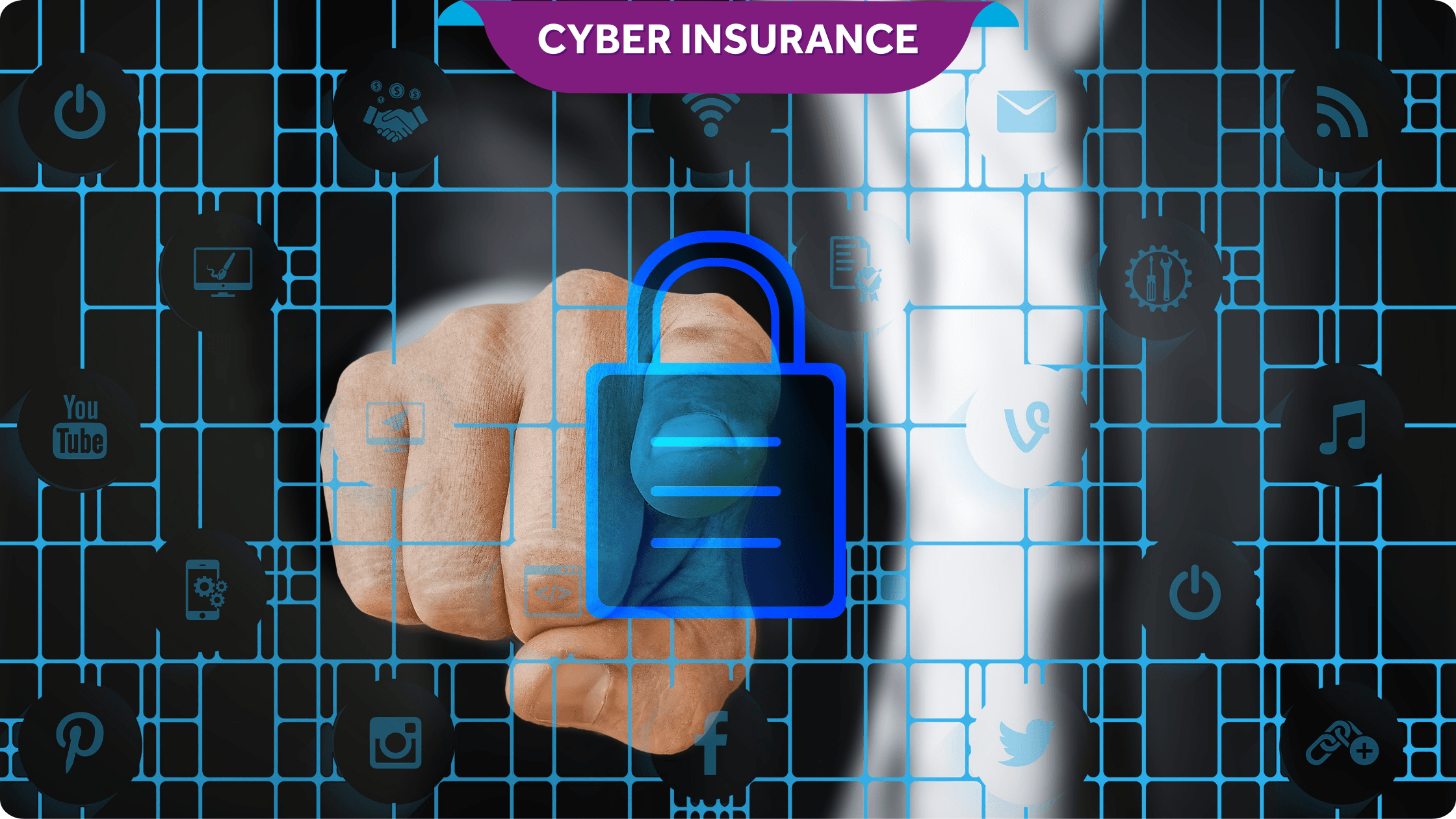
Thus, understanding the finer aspects of securing particular data and maintaining online sequestration while travelling becomes necessary. This composition explores the practices for data safety by securing your online presence with [cyber insurance](https://www.sbigeneral.in/cyber-vault-edge-insurance). We'll also partake in perceptivity to help you cover your digital identity abroad with international travel cybersecurity.
Why is it Important to Maintain Safety on the Internet?
The vulnerability to cyber dangers rises as people, businesses, and governments proceed to depend on digital platforms. There can be various dangers whether you are online for communication, commerce, or data trade. Past monetary loss or character theft, the results of compromised online security expand to the sensitivity of individual information and intellectual property.
In addition, the unavoidable nature of cybercrime highlights the significance of proactive measures to mitigate dangers. Organising online security is basic, particularly for cybersecurity digital users.
Research Destination-Specific Cybersecurity Threats
Before embarking on your trip, familiarise yourself with the cybersecurity geography of your destination. Look for cyber pitfalls like Wi-Fi hacking, phishing swindles, and identity theft. Stay informed about recent cybersecurity incidents or warnings issued by original authorities or trip advisories.
Secure Your Devices and Data
If you're a cybersecurity digital rambler, ensure all digital devices, including smartphones, laptops, and tablets, have antivirus software and are encrypted with a strong password for each device and online account using a combination of letters, figures, and special characters. Enable two-factor authentication whenever possible to add security to your accounts.
Consider Cyber Insurance
Consider carrying cyber insurance coverage before travelling abroad to alleviate potential fiscal losses from cyberattacks or identity theft. Cyber insurance policy charges related to restoring compromised data and fiscal losses due to the lack of a cyber insurance policy.
Use Secure Networks Wisely
Exercise caution when connecting to public Wi-Fi networks, as cybercriminals may compromise them. Use virtual private networks (VPNs) to encrypt your internet connection. Consider using your mobile network's data plan or a movable W-Fi hotspot secured with a strong password for safer internet access while travelling.
Be Wary of Suspicious Communications
Remain watchful against phishing emails, fraudulent messages, and fake calls trying to deceive you into revealing sensitive information. Do not share any OTP (one-time password) on phone calls or texts.
Also Read: How to Avoid OTP Fraud
Safeguard Financial Transactions
Communicate with the purported sender through sanctioned channels to corroborate the legality of unanticipated dispatches, especially those requesting particular or fiscal details. Notifying your bank about your trip schedule and monitoring account activity can minimise the threat of credit card fraud. Use credit cards with chip technology and contactless payment options whenever possible. Exercise discretion when using ATMs and avoid conducting financial deals.
Protect Physical Documents and Devices
You can guard your passport, trip documents, and electronic devices from theft or loss by storing them securely and employing physical security measures like cinches and strongboxes. Maintain backups of essential digital lines and trip documents in translated services to alleviate the impact of loss or theft.
Online Safety Protocols to Know When Travelling Abroad
Here are a few online security conventions to consider for your out of nation trips.
Update Software and Applications
Before withdrawing from your goal, guarantee all programs and applications on your gadgets have the most recent versions. Overhauls incorporate security patches that upgrade assurance against cyber threats.
Enable Device Encryption
Encrypting your gadgets includes additional security by scrambling information to make it garbled without appropriate unscrambling. Enact gadget encryption settings on your smartphones, tablets, and portable workstations to defend delicate data in case of burglary or unapproved access.
Limit Social Media Sharing
Exercise caution when sharing travel plans and exercises on social media platforms. Dodge unveiling delicate data that might compromise your security, like your correct whereabouts or the length of your absence from home.
Use Secure Communication Channels
Prioritise scrambled communication channels like end-to-end scrambled informing apps and secure mail administrations. Utilise scrambled informing channels for sensitive talks and exchanges to avoid interference by malicious individuals.
Practice Data Minimisation
Minimise the sum of individual data you share online, particularly on open gatherings and social media platforms. Be careful of the information you reveal when accessing websites or associating with online services abroad.
Use Cyber Insurance for Family
Explore the choice of obtaining cyber protections for your family before voyaging overseas. Such approaches offer a comprehensive scope against character burglary, cyberbullying, and online extortion for different family members.
Implement Remote Device Management
Install the following inaccessible and wiping capabilities on your gadgets to find or delete them remotely in case of misfortune or burglary. Acquaint yourself with the functionalities advertised by gadget administration apparatuses for cybersecurity computerised migrants. Enact them some time recently voyaging to moderate the dangers related to gadget compromise.
Stay Informed About Local Regulations
Familiarise yourself with your goal country's cybersecurity laws and controls to guarantee compliance and maintain a strategic distance from accidentally violating regulations of the host country. Remain educated about potential censorship and information security concerns that may affect your online activities while travelling overseas.
Conclusion
To conclude, safeguarding your digital presence while travelling abroad is paramount in this digital age. By understanding and implementing the best practices for cybersecurity, you can protect your data and maintain online privacy. From securing your devices with strong passwords and encryption to considering cyber insurance and using secure networks, proactive measures are essential. Stay informed about destination-specific cybersecurity threats, use encrypted communication channels, and be cautious with social media sharing. With these precautions, you can enjoy your global adventures without compromising your online security and personal information. Safe travels!
This blog is intended solely for educational and informational purposes. Content reflects data at time of publication and may not accurately reflect current premiums, terms, or regulations. Readers are encouraged to confirm the accuracy and relevance of the data before making any significant decisions. SBI General Insurance disclaims responsibility for any errors or consequences arising from the use of outdated information provided herein. For more details, please refer to the policy wordings and prospectus before concluding the sales. *Add-ons are subject to payment of additional premium.
Access and manage all your Insurance Needs in one place, right at your Fingertips.



4/5*
Access and manage all your Insurance Needs in one place, right at your Fingertips.


Vision
Our vision is to become the most trusted general insurer for a transforming India.
Mission
Our mission is to provide simple and innovative general insurance solutions, be responsive to our customers' needs and build a sustainable business for the future.
We're socially active!