


 Contact Us


 Other Insurance
Benefits of Curd for Hair
Date: Dec 2, 2025 - Last Modified Jun 5, 2026


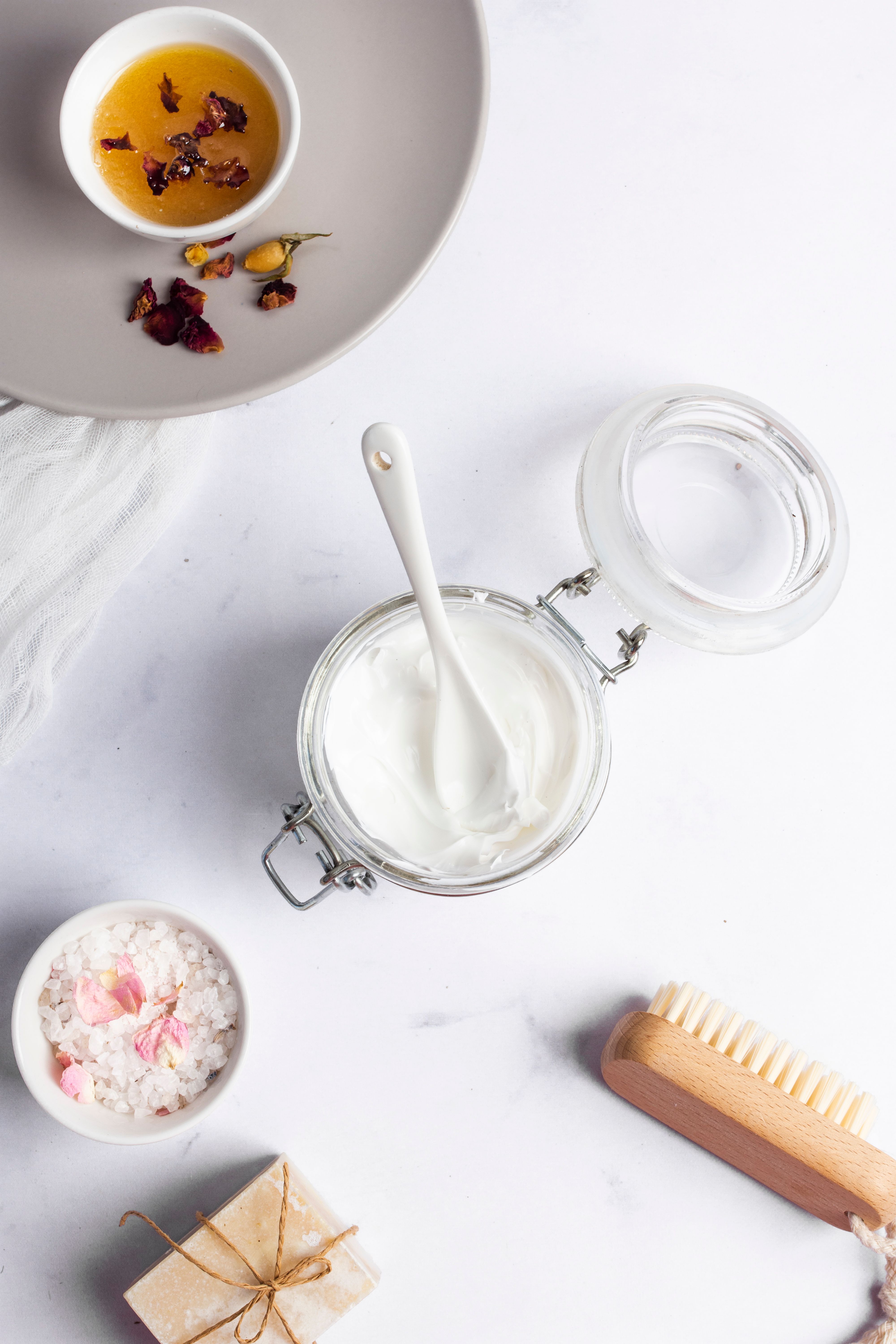
Curd has been a part of home hair care for years. Before shelves were filled with serums, masks, and chemical treatments, many people turned to simple kitchen ingredients to care for their hair naturally. Curd was one of them. It was used to treat dryness, dandruff, rough texture, and scalp discomfort.
Even today, many people swear by its hair care benefits. Its creamy texture and cooling properties make it easy to apply, while the nutrients present in curd can nourish both the scalp and hair strands.
Benefits of Curd for Hair
Curd has been used in hair care for generations in home remedies passed down over the years. Here are some of the benefits people experience upon applying it:
Makes Hair Soft and Smooth
Dry hair can quickly start feeling rough, tangled, and difficult to manage. Curd adds moisture to the hair strands, which makes the texture feel softer naturally. Many people apply curd before shampooing because it leaves the hair noticeably smoother after rinsing.
One of the biggest benefits of curd for hair is that it improves softness without making the scalp feel greasy or heavy.
Reduces Dryness and Frizz
Constant exposure to pollution, sun, heat styling tools, and strong shampoos can strip away moisture from the hair. One of the advantages of curd for hair is that it works like a natural conditioner and adds hydration back into dry strands. It also reduces frizz and makes the hair easier to handle while combing and styling.
Nourishes the Scalp
Healthy hair starts with a healthy scalp. Curd contains protein and nutrients that nourish the scalp and improve its condition with regular use. Its cooling effect can also leave the scalp feeling fresh and comfortable after application.
Because of this notable advantage of applying curd on hair, it continues to remain a popular part of natural hair care routines. However, if you have an oily scalp, it is best to use this remedy occasionally and follow it up with a thorough wash.
Improves Natural Shine
Hair often starts looking dull when it lacks moisture. Curd smoothens rough hair strands and improves the appearance of the hair cuticle, which can make the hair look shinier after washing. The hair usually feels softer and healthier as well.
Cleans the Scalp Naturally
Curd also works as a gentle natural cleanser for the scalp. It can remove excess oil, dirt, and product build-up that may collect over time. A clean scalp often feels lighter and fresher after a hair wash.
These benefits of curd for hair make it a simple, affordable, and trusted ingredient in everyday hair care practices.
DIY Curd Hair Masks for Different Hair Types
Curd blends easily with several kitchen ingredients. This makes it suitable for homemade hair masks. Here are some of the most popular ones:
Curd and Honey Hair Mask for Dry Hair
Honey improves moisture retention and leaves hair softer.
How to Use:
Mix two tablespoons of curd with one tablespoon of honey.
Apply evenly to the scalp and hair.
Leave it for 20 minutes.
Wash with a mild shampoo.
Curd and Lemon Hair Mask for Oily Scalp
Lemon reduces excess oil and refreshes the scalp.
How to Use:
Mix curd with a few drops of lemon juice.
Apply the mixture to the scalp.
Leave it for 15 to 20 minutes.
Rinse thoroughly with water.
Curd and Aloe Vera Hair Mask for Frizzy Hair
Aloe vera improves smoothness and leaves hair manageable.
How to Use
Mix fresh aloe vera gel with curd.
Apply from the roots to the ends.
Leave it for 20 minutes.
Wash with lukewarm water.
Using fresh ingredients and washing the scalp properly after application is important. It improves results and ensures scalp comfort.
Things to Keep in Mind Before Using Curd on Hair
Curd works well for many hair types, but using it the right way can make the experience more comfortable and effective. A few simple precautions can avoid irritation or product build-up.
Use fresh curd instead of sour curd, as it feels gentler on the scalp and hair.
Wash your hair thoroughly after application to avoid residue or stickiness.
Avoid using curd too frequently during winter if it feels too cold or uncomfortable on the scalp.
Always do a patch test before trying homemade hair masks, especially if you have sensitive skin.
Note: People with scalp infections, allergies, or highly sensitive skin should consult a dermatologist before trying new hair treatments or home remedies.
Eating well, staying active, and taking care of oneself can go a long way in maintaining good health. But medical emergencies and unexpected health expenses can still happen when least expected.
Health insurance reduces the financial burden during hospitalisation, treatments, and other medical needs. Opting for suitable coverage can make it easier for those in need and ensure prompt access to healthcare.
Conclusion
Curd remains one of the simplest and most widely used natural ingredients for hair care. From improving softness and shine to reducing dryness and scalp discomfort, the benefits of curd for hair make it a good addition to regular hair care routines. Its affordability and easy availability also make it suitable for different hair types and lifestyles.
Apart from maintaining healthy self-care habits, choosing suitable health insurance coverage from SBI General Insurance can be an equally important step. It offers financial confidence during unexpected medical situations.
FAQs
1. Is curd good for hair growth?
Curd nourishes the scalp and improves hair texture. Healthy scalp care routines also contribute to better hair condition over time.
2. Can curd reduce dandruff naturally?
Curd is commonly used in homemade hair masks because its moisturising texture reduces dryness and scalp discomfort associated with dandruff.
3. How to apply curd on hair properly?
Apply fresh curd evenly from the scalp to the hair ends, leave it for 20 to 30 minutes, and wash thoroughly using mild shampoo.
4. Can curd make hair soft and shiny?
Yes, curd improves moisture and smoothness, which leaves hair softer and shinier after washing.
5. Are there any side effects of using curd on hair?
Some people with sensitive skin or scalp conditions may experience irritation. A patch test is advisable before regular use.
This blog is intended solely for educational and informational purposes. Content reflects data at time of publication and may not accurately reflect current premiums, terms, or regulations. Readers are encouraged to confirm the accuracy and relevance of the data before making any significant decisions. SBI General Insurance disclaims responsibility for any errors or consequences arising from the use of outdated information provided herein. For more details, please refer to the policy wordings and prospectus before concluding the sales. *Add-ons are subject to payment of additional premium.
Access and manage all your Insurance Needs in one place, right at your Fingertips.




4/5*
Access and manage all your Insurance Needs in one place, right at your Fingertips.



Vision
Our vision is to become the most trusted general insurer for a transforming India.
Mission
Our mission is to provide simple and innovative general insurance solutions, be responsive to our customers' needs and build a sustainable business for the future.
We're socially active!