


 Contact Us


 Other Insurance
Calcium-Rich Foods to Include in Your Diet During Pregnancy
Date: Feb 18, 2026 - Last Modified Feb 18, 2026


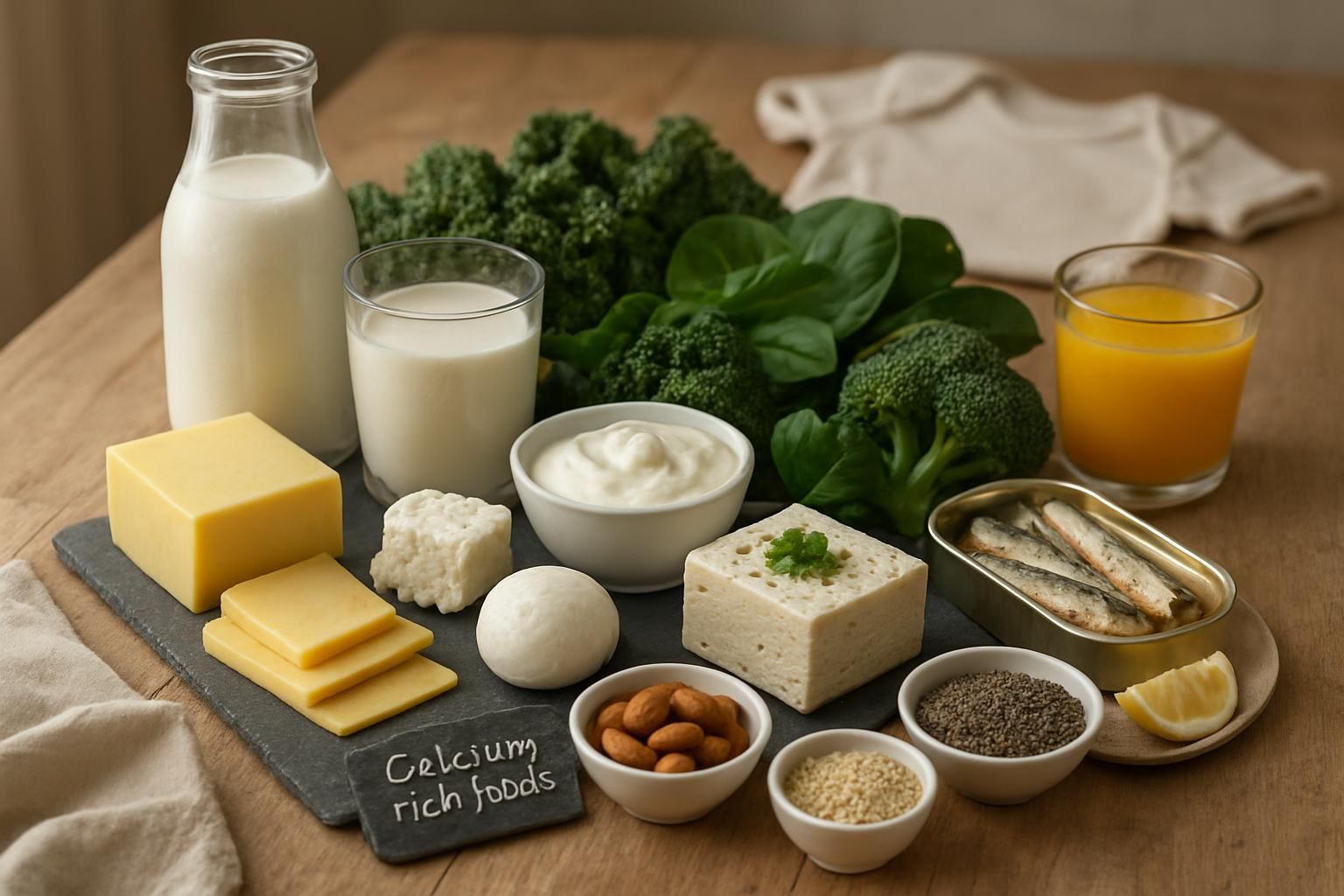
During pregnancy, women should ensure their diet has a rich source of calcium. It is essential for the development of the baby's bones and teeth, and it also supports the mother's bone health, preventing issues like osteoporosis later in life. Mothers-to-be can incorporate foods, such as dairy products, leafy green vegetables, nuts and seeds, and more, to ensure a healthy pregnancy. Let’s learn more in this regard.
Best Sources of Calcium
Calcium is an essential mineral, particularly important during certain life stages such as pregnancy. Here are some of the best sources of calcium that can help you meet your daily needs, especially during pregnancy.
1. Dairy Products
Dairy products are among the most well-known and rich sources of calcium. Foods like milk, yogurt, and cheese are packed with this essential mineral and are easily absorbed by the body.
Milk: A typical serving of milk (about 240 ml) contains approximately 300 mg of calcium. Whole, low-fat, and skim milk all provide similar calcium levels, making them great calcium-rich foods for women.
Yogurt: This versatile food is not only rich in calcium but also contains probiotics that promote gut health.
Cheese: Various types of cheese vary in calcium content, but most high-quality cheeses can add a substantial level of calcium to your diet.
2. Leafy Greens
If you’re searching for plant-based options, leafy greens are an excellent source of calcium. For instance, kale is nutrient-dense and provides a wealth of benefits, which makes it more than just a rich source of calcium.
3. Fortified Foods
Many food products are fortified with calcium to help people meet dietary needs. This is particularly beneficial for those who may not consume dairy.
Fortified Plant Milks: Almond, soy, and oat milks are often fortified to contain similar calcium levels to cow’s milk.
Breakfast Cereals: Many cereals are fortified with calcium and other nutrients, making them suitable as a calcium-rich food for ladies.
4. Nuts and Seeds
Nuts and seeds not only provide calcium but also healthy fats and proteins. Almonds and sesame seeds are particularly rich in calcium.
For instance, a handful of almonds (about 30 grams) contains roughly 75 mg of calcium. They also add healthy fats and protein to your diet, making them a practical snack for those requiring calcium.
5. Legumes
Legumes, including beans and lentils, are not only high in protein but also provide a decent amount of calcium.
White Beans: One cup of cooked white beans provides about 160 mg of calcium. They are versatile and can be added to soups, salads, or curries.
Chickpeas: One cup of cooked chickpeas or kabuli chana provides approximately 80 mg of calcium. Cooking chickpeas in gravies is a healthy and tasty way to incorporate calcium during pregnancy.
Incorporating these calcium-rich foods for pregnancy into your diet can help meet your daily calcium requirements. Ensuring you consume sufficient calcium supports both your health and the development of your baby.
Healthcare Beyond Nutrition: Why Financial Security is Also Necessary
As crucial as it is to ensure adequate calcium intake during pregnancy for both maternal and fetal health, it’s equally important to consider the financial aspects of healthcare. Unexpected medical expenses can arise at any time. It is essential for expectant mothers to protect themselves and their families with a comprehensive health insurance plan.
Health insurance not only provides financial security for routine check-ups and emergencies but also covers the costs of necessary prenatal care, ensuring both the mother and the baby receive the best possible attention throughout the pregnancy. With the right health insurance, you can focus on nutrition and wellness without the added worry of financial strain.
Individuals are advised to consult a licensed healthcare professional before proceeding with any changes in dietary or health habits. The above information is for informational purposes only.
Frequently Asked Questions (FAQs)
1: What is a rich source of calcium for lactose-intolerant pregnant women?
Alternatives rich in calcium would include almonds and kale, which provide similar to or more calcium than milk.
2: What are some high-calcium foods for women to avoid pregnancy complications?
Foods rich in calcium, such as dairy products and leafy greens, are ideal for women to help prevent pregnancy complications. Incorporating sources of vitamin D along with these calcium-rich foods supports bone health and reduces the risk of health conditions.
3: Does health insurance help during pregnancy?
Yes, health insurance provides essential support during pregnancy by covering prenatal visits, tests, and necessary medical procedures. It eases the financial burden of healthcare costs and ensures access to quality care without financial worries. Coverage depends on policy wordings.
This blog is intended solely for educational and informational purposes. Content reflects data at time of publication and may not accurately reflect current premiums, terms, or regulations. Readers are encouraged to confirm the accuracy and relevance of the data before making any significant decisions. SBI General Insurance disclaims responsibility for any errors or consequences arising from the use of outdated information provided herein. For more details, please refer to the policy wordings and prospectus before concluding the sales. *Add-ons are subject to payment of additional premium.
Access and manage all your Insurance Needs in one place, right at your Fingertips.




4/5*
Access and manage all your Insurance Needs in one place, right at your Fingertips.



Vision
Our vision is to become the most trusted general insurer for a transforming India.
Mission
Our mission is to provide simple and innovative general insurance solutions, be responsive to our customers' needs and build a sustainable business for the future.
We're socially active!