


 Contact Us


 Other Insurance
COPD Symptoms, Causes & Prevention Tips You Shouldn’t Ignore
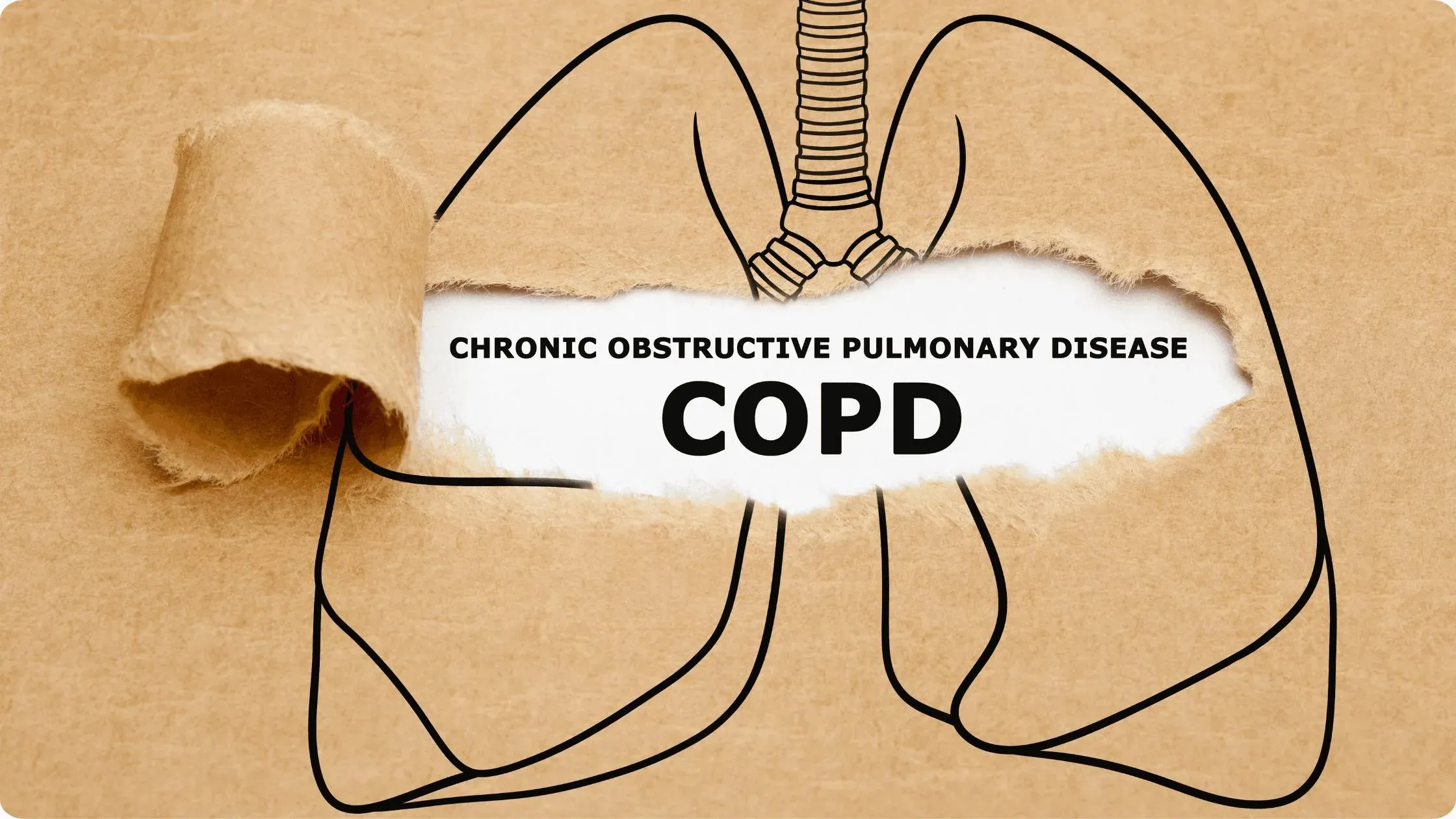
Date: Jul 9, 2025 - Last Modified Apr 9, 2026


Breathing becomes more difficult when the lung disease known as Chronic Obstructive Pulmonary Disease (COPD) progresses. While it mostly affects older adults, younger generations must also stay informed, especially if they are exposed to risk factors like pollution and smoking. Early detection is key to managing COPD effectively, and having a health insurance policy can help cover the costs of treatment and medication. In this guide, we’ll break down the symptoms, causes, risk factors, and prevention methods in an easy-to-understand manner. It is critical to understand the disease since, if untreated, it can greatly affect quality of life.
Symptoms of COPD
The symptoms of COPD often develop gradually and may go unnoticed in the early stages. When an illness progresses, though, the symptoms worsen. Here’s what to watch for:
- Persistent cough: A long-lasting cough that produces mucus (also known as a smoker’s cough).
- Shortness of breath: Struggling to breathe, especially after physical activity.
- Wheezing: Breathing that creates a whistling or screaming sound.
- Chest tightness: Experiencing pain or pressure in the chest.
- Frequent respiratory infections: Recurring colds, flu, or pneumonia.
- Fatigue: Constant tiredness due to reduced oxygen levels.
- Weight loss: Gradual, unplanned decrease of body mass as the condition progresses.
- Swelling in legs, ankles, or feet: This may occur due to the strain on the heart and reduced oxygen circulation.
- Bluish lips or fingernail beds: A sign of low oxygen levels in the blood.
Seek prompt medical attention if any of these symptoms manifest in you or someone you care about. Having a medical insurance policy can help cover the costs of diagnostic tests and treatments, which can be quite expensive if paid out of pocket.
Causes of COPD
Long-term exposure to substances that irritate the lungs causes chronic obstructive pulmonary disease (COPD). The most common causes include:
1. Cigarette Smoke
Smoking is the leading cause of COPD. It makes breathing difficult by damaging lung tissue and narrowing airways. Anyone can be harmed, even if they only smoke a little or are always around smokers. More than 80% of COPD-related deaths are linked to smoking, making it the most preventable cause.
2. Passive Smoking
Also known as second-hand smoke, passive smoking is equally harmful. If you live with a smoker or frequently spend time in smoking environments, your lungs can suffer long-term damage. Avoiding exposure to cigarette smoke can significantly reduce your risk.
3. Pollution and Fumes
Exposure to air pollution, occupational dust, and chemical fumes is the main cause of chronic obstructive pulmonary disease (COPD). Industrial, mining, and construction workers have a higher risk of lung illness than the general population. Long-term exposure to biomass fuels, such as wood or charcoal used for cooking, can also lead to respiratory issues.
4. Alpha-1-Antitrypsin Deficiency (AAT)
This is a rare genetic disorder where the body lacks a protective protein that helps maintain lung health. Non-smokers with AAT deficiency nevertheless have a greater chance of getting chronic obstructive pulmonary disease (COPD). While this condition is uncommon, genetic testing can help detect it early.
5. Asthma
Although asthma and COPD are different conditions, long-term, uncontrolled asthma can lead to COPD. If you have chronic asthma, it’s crucial to follow your treatment plan and monitor your lung function. Maintaining healthy lung function over time is possible with well-managed asthma.
Also Read: Health Insurance for Smokers: All You Need to Know
Risk Factors for COPD
Some things make chronic obstructive pulmonary disease more likely:
- Smoking: The biggest risk factor.
- Pollutant exposure: Respiratory illness brought on by prolonged contact with polluted air, industrial gases, or dust.
- Genetics: If COPD runs in your family, you might be at higher risk.
- Age: In adults, symptoms of chronic obstructive pulmonary disease (COPD) typically appear after the age of 40.
- High Frequency: Recurrent lung infections weaken the lungs over time, which is why their frequency is high.
- Pre-existing respiratory conditions: Chronic bronchitis and emphysema can contribute to COPD development.
How to Protect Yourself from COPD
Lifestyle adjustments and maintaining a regular health check-up schedule can help prevent chronic obstructive pulmonary disease (COPD). Here’s what you can do:
• Quit smoking: Kicking the habit is the first and most effective defence against chronic obstructive pulmonary disease (COPD). Seek support groups or nicotine replacement therapy if needed.
- Avoid passive smoking: Stay away from areas where people smoke.
- Wear protective masks: If you work in a polluted or dusty environment, wear a mask to protect your lungs.
- Keep up a healthy way of living: A healthy diet and regular exercise can do wonders for your lungs.Eating foods rich in antioxidants can also strengthen your lungs.
- Improve indoor air quality: Use air purifiers and keep your home well-ventilated to reduce indoor pollutants.
- Get vaccinated: Vaccinations for flu and pneumonia can help prevent infections that may worsen COPD symptoms.
- Get regular health check-ups: In order to maximise the efficacy of treatment, it is recommended that you get regular check-ups. Lung function tests and imaging scans can help diagnose COPD at an early stage.
Also Read: Advantages of Routine Health Check-Up
Why Health Insurance is Important for COPD Treatment
COPD treatment can be expensive, especially in advanced stages. This is where having health insurance benefits comes in handy. A medical insurance policy covers hospitalisation, diagnostic tests, and medication costs, ensuring you get the best treatment without financial strain. Regular doctor visits, oxygen therapy, and pulmonary rehabilitation programmes can be covered under a good health insurance policy.
Conclusion
COPD is a serious condition, but with early detection, lifestyle changes, and proper treatment, it can be managed effectively. Investing in health insurance is crucial for covering medical expenses and ensuring long-term care.
For comprehensive coverage, consider SBI General Insurance. Our health insurance policies provide extensive coverage for respiratory illnesses, including COPD, ensuring financial security and peace of mind for you and your family.
Disclaimer: This blog is intended solely for educational and informational purposes. The content may include outdated information regarding the topic discussed. Readers are encouraged to confirm the accuracy and relevance of the data before making any significant decisions. SBI General Insurance disclaims responsibility for any errors or consequences arising from the use of outdated information provided herein.
This blog is intended solely for educational and informational purposes. Content reflects data at time of publication and may not accurately reflect current premiums, terms, or regulations. Readers are encouraged to confirm the accuracy and relevance of the data before making any significant decisions. SBI General Insurance disclaims responsibility for any errors or consequences arising from the use of outdated information provided herein. For more details, please refer to the policy wordings and prospectus before concluding the sales. *Add-ons are subject to payment of additional premium.
Access and manage all your Insurance Needs in one place, right at your Fingertips.




4/5*
Access and manage all your Insurance Needs in one place, right at your Fingertips.



Vision
Our vision is to become the most trusted general insurer for a transforming India.
Mission
Our mission is to provide simple and innovative general insurance solutions, be responsive to our customers' needs and build a sustainable business for the future.
We're socially active!