


 Contact Us
 Other Insurance
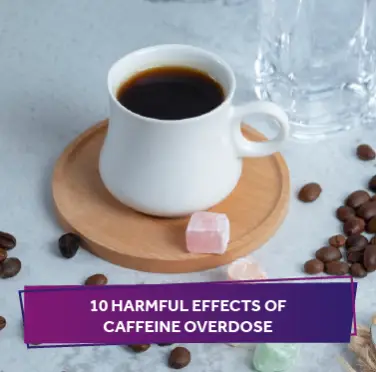
Effects of Caffeine Overdose
Date: Dec 11, 2023 - Last Modified May 29, 2026


Caffeine is one of the most commonly used stimulants that affects the brain and nervous system. It is found in drinks like coffee, tea, energy drinks, soft drinks, and some medicines or supplements. In moderate amounts, caffeine can help temporarily ward off drowsiness, increase concentration, and reduce fatigue. However, excessive intake may lead to caffeine toxicity, which can harm your nervous system, heart rate, sleep, and overall health.
In this article, we will understand the causes, symptoms, preventive measures, and side effects of caffeine overdose to promote informed decision-making.
Causes of Caffeine Overdose
Caffeine overdose usually happens when a person takes in too much caffeine in a short time. It occurs when the body cannot handle the amount consumed.
This may happen due to:
- High consumption of coffee, tea, or energy drinks
- Use of caffeine supplements or medications
- Combining multiple caffeine sources within a short period
People who consume multiple caffeinated products without monitoring total intake may unknowingly increase the risk of caffeine toxicity. Sensitivity to caffeine may also vary among individuals. This may cause some individuals to experience side effects even when consuming smaller amounts of caffeine.
Safe Daily Caffeine Intake Limits
According to the National Library of Medicine, the recommended caffeine intake for most healthy adults is 300-400 mg. It is equivalent to approximately 2-3 cups of brewed coffee or 3-4 cups of tea, depending on the preparation.
However, individual tolerance can vary. Many factors, such as age, body weight, medical history, and medication, can influence how the body reacts to caffeine. Children, teenagers, and pregnant women may need to consume significantly less, not more than 100-200 mg.
Consulting a qualified healthcare professional may help people with heart or other medical ailments determine suitable consumption levels, based on personal health conditions and lifestyle factors.
Exceeding the recommended limits increases the likelihood of experiencing side effects associated with caffeine overdose. This can happen when multiple caffeine sources like tea, coffee, or other energy drinks are consumed within a short period.
7 Side Effects of Caffeine Overdose
Consuming excessive caffeine can overstimulate the nervous system, which can further impact physical and mental well-being. Primarily, it affects the cardiovascular and digestive functions.
Here are seven harmful effects of caffeine overdose:
1. Increased heart rate and blood pressure
Excess caffeine consumption may temporarily increase heart rate and blood pressure levels in certain individuals.
2. Sleep disturbance
High caffeine intake, especially later in the day (post afternoon), can interfere with sleep quality and contribute to insomnia or disrupted sleep cycles.
3. Increased anxiety and restlessness
The mental side effects of caffeine overdose may include nervousness, anxiety, irritability, and heightened stress responses.
4. Digestive discomfort
Excessive caffeine consumption can lead to stomach irritation, causing diarrhoea, nausea, acid reflux, or digestive discomfort.
5. Dehydration
Large amounts of caffeinated beverages can lead to increased urination, which could increase the risk of dehydration if fluid intake is insufficient.
6. Iron deficiency
The bitter compounds known as tannins in tea and coffee can bind to iron in the digestive tract, lowering its absorption and potentially leading to iron deficiency anaemia.
7. High blood pressure
Increased caffeine consumption can lead to temporary spikes in blood pressure, creating heart problems.
Ignoring these effects of caffeine overdose may lead to long-term health complications.
Symptoms of Caffeine Overdose
The symptoms associated with excessive caffeine consumption can vary in intensity, depending on the amount consumed and individual tolerance. Some of these symptoms may not immediately signal caffeine overdose, as they might appear mild initially. These include:
- Dizziness
- Diarrhoea
- Increased thirst
- Insomnia
- Headache
- Heart palpitations
- Fever
- Irritability
Other symptoms are more severe and require immediate medical treatment.
These are:
- Trouble breathing
- Vomiting
- Hypertension
- Hallucinations
- Confusion
- Muscle twitching
- Seizures
- Convulsions
If an individual faces severe side effects, it is advisable to meet with a healthcare professional.
When to Seek Medical Help?
A life-threatening caffeine overdose is rare but more likely if someone takes a very large amount of caffeine quickly.
Certain symptoms associated with severe caffeine toxicity may require immediate medical attention. Individuals experiencing severe chest pain, irregular heartbeat, breathing difficulty, seizures, fainting, severe agitation, or persistent vomiting after consuming high amounts of caffeine should seek emergency healthcare support promptly.
People with underlying medical conditions or anxiety disorders might be more vulnerable to severe reactions from excessive caffeine intake. Early medical intervention may help reduce complications associated with serious side effects of caffeine overdose and support appropriate treatment and monitoring. Identifying the warning signs and symptoms of caffeine overdose is crucial in safeguarding health. It can also help individuals receive immediate medical assistance.
Along with this, individuals should consider health insurance solutions for broader healthcare support and financial protection. This provides an additional layer of security, that can work as a saviour during unfortunate circumstances.
Prevention and Treatment of Caffeine Overdose
Preventing excessive caffeine consumption involves tracking daily intake and being aware of the caffeine content present in different foods and beverages. Individuals with no known allergies should consume 300-400 mg per day, while pregnant women, teenagers, and children should not consume more than 100-200 mg.
Some preventive measures may include:
- Limiting intake of energy drinks and caffeinated supplements.
- Monitoring coffee, tea, and soft drink consumption.
- Avoiding excessive caffeine intake late in the day.
- Staying hydrated throughout the day.
- Reading product labels carefully.
Treatment for mild caffeine overdose symptoms may involve rest, hydration, and avoiding additional caffeine intake. In more severe cases involving chest discomfort, rapid heartbeat, breathing difficulty, or confusion, medical evaluation may be necessary.
Conclusion
Caffeine is commonly consumed through beverages and packaged foods. However, excessive intake can lead to physical and mental discomfort. Understanding the effects of caffeine overdose and maintaining moderate consumption can support healthier daily habits.
Apart from keeping a watch on eating and lifestyle habits, individuals must also consider opting for a reliable health insurance plan by SBI General Insurance. It can support them during medical emergencies and help them meet expected as well as unexpected healthcare needs.
Note: This article is for informational purposes only and is not medical advice. Consult a qualified healthcare professional for diagnosis or treatment decisions.
FAQs
1. What happens if you consume too much caffeine?
Taking too much caffeine can cause anxiety, a fast heart rate, and stomach problems.
2. What are the symptoms of caffeine overdose?
Common symptoms include nausea, irritability, dizziness, insomnia, and anxiety-related symptoms.
3. How much caffeine is considered dangerous?
The recommended caffeine limit is no more than 300-400 mg. But caffeine effects can vary based on how sensitive a person is, their health, and how much they consume. Taking too much from different sources can raise health risks.
4. Can caffeine overdose cause anxiety or panic attacks?
Yes, too much caffeine can overstimulate the nervous system and cause anxiety, panic attacks, nervousness, or restlessness in some people.
5. How long do caffeine overdose symptoms last?
The symptoms for overdose of caffeine side effects may vary depending on the amount consumed, metabolism, hydration levels, and individual sensitivity to caffeine. Mild symptoms may improve within several hours, while severe cases may require medical supervision.
This blog is intended solely for educational and informational purposes. Content reflects data at time of publication and may not accurately reflect current premiums, terms, or regulations. Readers are encouraged to confirm the accuracy and relevance of the data before making any significant decisions. SBI General Insurance disclaims responsibility for any errors or consequences arising from the use of outdated information provided herein. For more details, please refer to the policy wordings and prospectus before concluding the sales. *Add-ons are subject to payment of additional premium.
Access and manage all your Insurance Needs in one place, right at your Fingertips.



4/5*
Access and manage all your Insurance Needs in one place, right at your Fingertips.


Vision
Our vision is to become the most trusted general insurer for a transforming India.
Mission
Our mission is to provide simple and innovative general insurance solutions, be responsive to our customers' needs and build a sustainable business for the future.
We're socially active!