


 Contact Us


 Other Insurance
Brinjal (Baingan): Uses, Benefits, Side Effects and More
Date: Jan 6, 2026 - Last Modified Jan 8, 2026


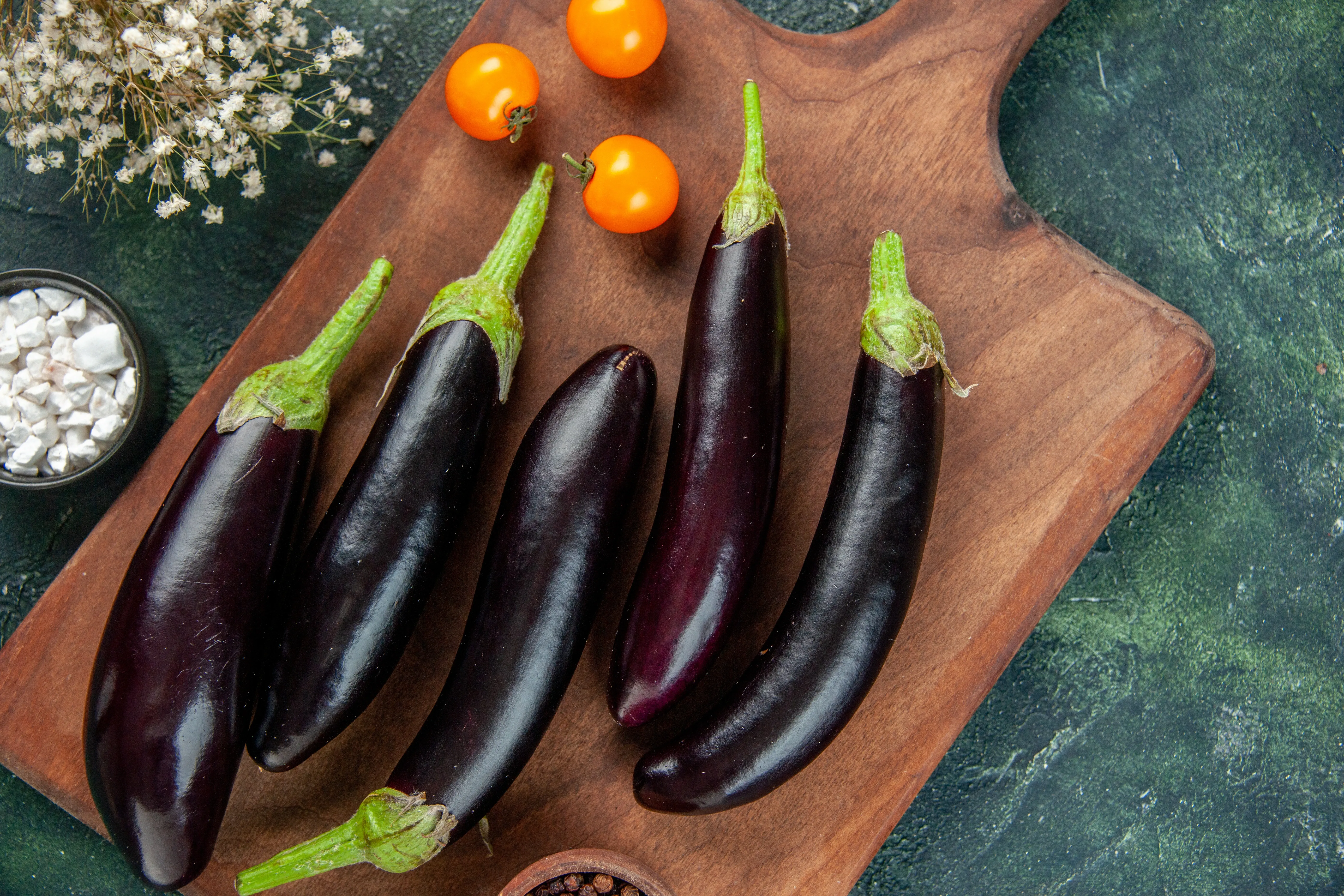
Brinjal, also known as eggplant, is a common vegetable in Indian kitchens, used in many dishes. However, some people are puzzled about whether brinjal is a fruit or a vegetable, leading to discussions in many households. This article simplifies the topic by explaining the benefits, challenges, and everyday uses of baingan in meals.
About Brinjal
Brinjal, or baingan, comes in various shapes and colors. In Indian markets, the deep purple variety is the most common, though green and long types are also available. Farmers often describe it as hardy because it can thrive in dry soil and warm weather. People enjoy brinjal in various ways, including roasted, fried, steamed, or cooked in gravies.
Some say it is a vegetable, but according to plant science, the debate ends with one fact: it is a fruit since it holds seeds. Still, Indian cooking treats it like a vegetable, so the habit continues.
Brinjal: Nutritional Value
Brinjal offers several benefits, including a low-calorie count and a good amount of fiber to support daily meals. Its mild taste easily adapts to various spices. Additionally, it contains small amounts of nutrients like Vitamin B, potassium, and antioxidants such as nasunin. Below are the approximate nutritional values for 100 grams of brinjal:
| Nutrient | Approximate Amount |
| Calories | 24 kcal |
| Fibre | Moderate content |
| Potassium | Small quantity |
| Vitamin B6 | Small quantity |
| Antioxidants | Present |
Disclaimer: All information mentioned in this blog is for informational and educational purposes only. For accurate medical guidance, consult a certified healthcare professional. SBI General Insurance is not responsible for any consequences resulting from reliance on the content provided.
Brinjal Health Benefits
A few brinjal benefits include:
- Fibre may support smoother digestion and regular bowel movements.
- A low-calorie count may help people who watch their food portions.
- Antioxidants may support cell protection.
- Potassium may support basic heart health.
- The skin of a brinjal may help reduce oxidative stress.
Some people roast brinjal for a soft texture, and they feel it settles well on the stomach. A few doctors mention it can be part of a balanced diet. People on strict meal plans also use brinjal to replace heavier ingredients. That makes the dish filling without too much energy load.
Uses of Brinjal in Recipes
Indian kitchens treat baingan almost like a flexible base. It fits into multiple regions and styles, which is why the list can be long. Still, a few common ones stand out.
- Baingan Bharta is made over an open flame for a smoky flavour.
- Bharwa baingan is cooked with ground spices.
- Simple brinjal stir-fry with turmeric and cumin.
- Sambar is prepared with cut brinjal to achieve a soft texture.
- Brinjal chips are made in some coastal homes.
Restaurants use brinjal as a side dish for biryani or as a grilled topping. Street vendors sometimes fry thin slices for snacks. Brinjal cooks quickly and absorbs spices very well, making it an excellent choice for beginner cooks. Its adaptability helps create flavorful dishes with minimal effort.
Possible Side-Effects of Brinjal
Most people enjoy brinjal without trouble, yet some may react differently. The brinjal benefits and side effects topic becomes relevant here. Baingan can irritate a small group due to its natural compounds.
Some possible issues include:
- Mild itching for people sensitive to nightshade plants
- Gas formation in people with slow digestion
- Slight discomfort if eaten in large quantities by people with acidity.
- Allergic response for a rare group of people.
Many families handle this by cooking brinjal well and avoiding raw use. Some also add cumin, hing (asafoetida), or ginger to the recipe to soften the impact. If any reaction appears again, it is better to consult a doctor.
Importance of Medical Insurance Plans
Food habits change with age and lifestyle. Even items that feel harmless might cause trouble for a few. This is why reliable health cover becomes handy. A medical insurance plan from SBI General Insurance will help you support hospital bills, tests, and regular consultations. People with long-term conditions often need repeated checkups, and paying every time may strain monthly budgets. Insurance plans offer some relief, so families can act early rather than delay treatment.
Conclusion
Brinjal remains a familiar ingredient in Indian kitchens for many reasons. It cooks fast, blends with spices smoothly, and carries several brinjal benefits that support health. At the same time, it is fair to note some side effects for sensitive individuals. The combination of fibre, nutrients, and easy cooking methods keeps baingan popular across regions.
With the right medical insurance plan, families can stay prepared for any small or large health issue that might show up along the way. Brinjal will stay on our plates, though each person can choose the form that suits them best.
Frequently Asked Questions
1. Is brinjal a fruit or a vegetable?
Botanically, brinjal is a fruit, but Indian kitchens treat it like a vegetable due to how it is cooked.
2. What are the main brinjal benefits?
It may support digestion, heart function, balanced meals, and antioxidant intake through regular use.
3. Are baingan benefits stronger in the roasted form?
Roasting keeps the skin and often holds more antioxidants compared to deep frying.
4. Can brinjal cause side effects for some people?
A few people may develop gas, mild itching or intolerance, which improves when cooked well.
5. How often can brinjal be eaten in a week?
Most families eat it two to three times without trouble, though the amount depends on personal tolerance.
This blog is intended solely for educational and informational purposes. Content reflects data at time of publication and may not accurately reflect current premiums, terms, or regulations. Readers are encouraged to confirm the accuracy and relevance of the data before making any significant decisions. SBI General Insurance disclaims responsibility for any errors or consequences arising from the use of outdated information provided herein. For more details, please refer to the policy wordings and prospectus before concluding the sales. *Add-ons are subject to payment of additional premium.
Access and manage all your Insurance Needs in one place, right at your Fingertips.




4/5*
Access and manage all your Insurance Needs in one place, right at your Fingertips.



Vision
Our vision is to become the most trusted general insurer for a transforming India.
Mission
Our mission is to provide simple and innovative general insurance solutions, be responsive to our customers' needs and build a sustainable business for the future.
We're socially active!