


 Contact Us


 Other Insurance
Mandukasana Yoga Pose: Physical and Mental Health Benefits

Date: Feb 12, 2026 - Last Modified Feb 12, 2026


Yoga practice contains many postures that support the health of internal organs. Mandukasana yoga is a sitting exercise where the body resembles the physical shape of a frog. This term originates from the Sanskrit language, where ‘Manduka’ is identified as a frog. This posture creates pressure on the abdominal region to maintain the balance of the body.
Many individuals use this pose to assist with digestion and energy levels. It remains a part of traditional hatha yoga routines that target the stomach organs and improve metabolism.
How to do Mandukasana Yoga Pose?
The Mandukasana, or the frog pose, is a powerful sitting exercise that targets the middle section of the human frame. Here’s how to get started:
Start in tabletop: wrists under shoulders, knees under hips.
Spread knees wide without forcing; bend legs to ~90°. Inner arches rest on the mat; toes point outward.
Lower forearms to the floor on an exhale; elbows under shoulders, forearms parallel, palms wide with fingers spread.
Inhale: lengthen the spine — crown forward, tailbone back.
Draw navel toward spine to engage core.
Exhale: soften the chest toward the floor while gently shifting hips back and down; keep breathing steadily.
Hold 15–60 seconds as comfortable, keeping shoulders relaxed and jaw soft.
To release: lift forearms, place palms on the mat, walk hands toward hips, draw heels back, come to knees, then sit back on your feet.
The Health Advantages of Mandukasana
The list of mandukasana benefits for the human body is extensive. The forward bend ensures that the internal systems receive fresh blood flow. It is a simple way to stay healthy without needing complex tools.
It may help in reducing excess fat stored around the belly area.
The posture improves the digestive process and prevents issues like gas.
It strengthens the muscles in the lower back and hip region.
The exercise assists in keeping the liver and kidneys in a healthy state.
Because it targets the sugar levels, many experts suggest this as a form of yoga for diabetes management. The pressure on the navel area helps the body process glucose in a more efficient way. This is why practitioners consider mandukasana for diabetes a standard choice in natural healing.
Different Mandukasana Variations
Selecting the right variation prevents unnecessary pain during the morning routine. The simple palm method is better for individuals who have a sensitive stomach or are new to yoga. Those with tight hips should try the wide-kneed style to improve their movement range.
Variation Style | Hand Position | Main Health Focus |
Basic Frog | Fists placed on the navel | Digestive stimulation |
Simple Palm | One palm over the other | Gentle stomach massage |
Wide Knee | Knees spread apart | Hip joint flexibility |
Different styles of the mandukasana yoga pose exist to help people with different levels of flexibility. Beginners might find the standard version difficult at first and should choose a gentler method.
Risks and Safety Precautions
Physical exercise requires caution to avoid any negative health impacts. Some people should avoid this bending movement to stay safe and healthy.
Pregnant women must not put any pressure on the abdominal area.
People who had a recent surgery on the stomach should wait for a few months before trying this.
Individuals with severe back pain or slipped discs must avoid forward bends.
Anyone with a hernia should consult a doctor before starting this pose.
Conclusion and Medical Safety
Yoga is a strong tool for a healthy life in 2026. However, physical work is only one part of safety. Financial security is also needed to protect one’s overall well-being. A health insurance policy from SBI General Insurance provides a shield during medical emergencies.
SBIG offers wide coverage for many illnesses, as well as a fast claim process to help you get support at the right time. Securing a health insurance plan today ensures peace of mind for the whole family tomorrow. Visit the SBIG website to find a policy that fits the needs of your loved ones and stay safe.
Frequently Asked Questions
1. Is it better to do this on an empty stomach?
Yes, yoga should usually happen during the morning hours before eating any food, or a few hours after you have eaten. This allows the body to move with more freedom and prevents nausea during the bend.
2. How long should a person hold the pose?
A beginner can start with ten seconds and reach one minute with regular practice. Holding the pose for a longer time provides a deeper massage to the internal organs.
3. Does it help with weight loss?
The pressure on the abdomen may help with potential weight loss. Combined with a healthy diet and other exercises, it is a strong tool for losing weight.
This blog is intended solely for educational and informational purposes. Content reflects data at time of publication and may not accurately reflect current premiums, terms, or regulations. Readers are encouraged to confirm the accuracy and relevance of the data before making any significant decisions. SBI General Insurance disclaims responsibility for any errors or consequences arising from the use of outdated information provided herein. For more details, please refer to the policy wordings and prospectus before concluding the sales. *Add-ons are subject to payment of additional premium.
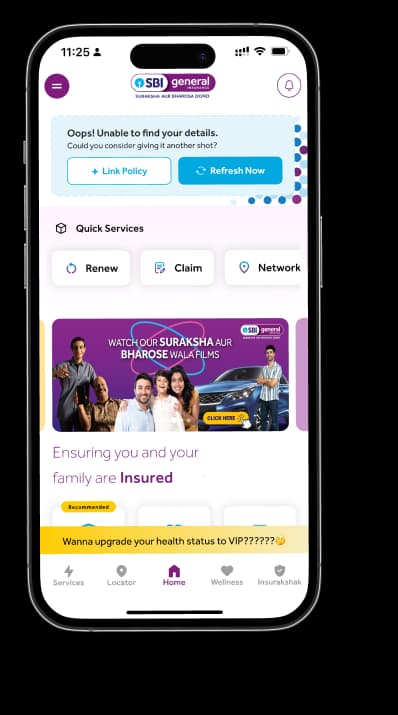
Access and manage all your Insurance Needs in one place, right at your Fingertips.



4/5*
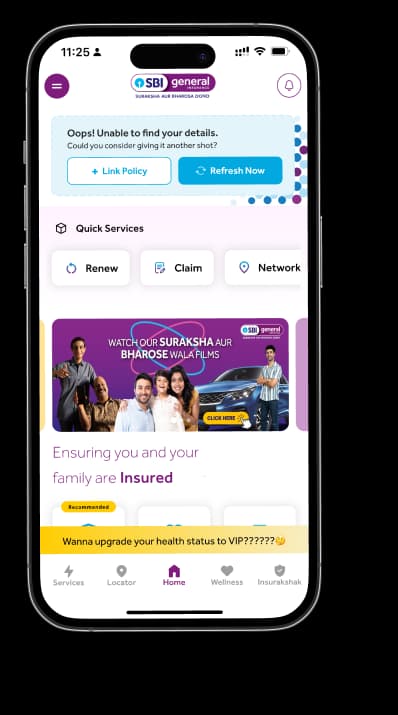
Access and manage all your Insurance Needs in one place, right at your Fingertips.


Vision
Our vision is to become the most trusted general insurer for a transforming India.
Mission
Our mission is to provide simple and innovative general insurance solutions, be responsive to our customers' needs and build a sustainable business for the future.
We're socially active!