


 Contact Us


 Other Insurance
Masoor Dal - Uses, Benefits, Nutritional Value
Date: Dec 2, 2025 - Last Modified Dec 3, 2025


Masoor dal, known as Masoor dal in English as red lentil, has been cooked across Indian homes for a long time. The lentil fits daily meals because it cooks fast and does not need heavy preparation. Masoor dal benefits appear in many nutrition plans because of its gentle nature.
Overview
Many families choose it for regular food since the taste stays mild and the texture turns soft without much effort. People from different age groups manage this dal well, especially when they need simple food during routine days. Many households also believe masoor dal is good for health when taken in a steady diet.
Types of Masoor Dal
Masoor dal appears in a different form in the market. Each form gives nearly the same nutrition, but the texture and the final dish change a bit. Households usually pick the type that suits their cooking style rather than any major difference in health value. These choices are often guided by masoor dal benefits seen in daily meals.
Whole Masoor
The whole masoor has brown skin. It takes slightly longer to boil. The grains keep their shape, which suits dishes where the lentil should not melt too much. Households use it for thicker dals or meals that need more bite.
Split Masoor
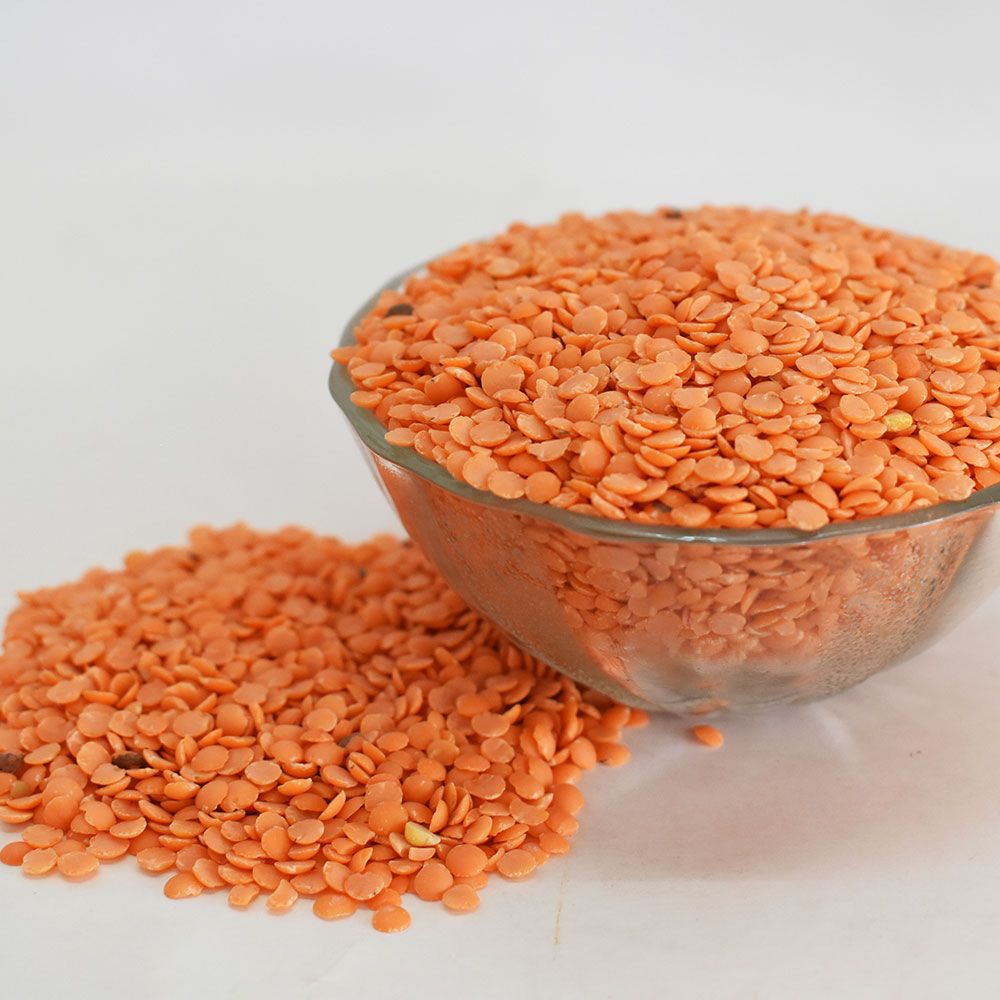
The split masoor looks orange or red. It turns soft very fast. Many families cook this version on busy days because it reduces time in the kitchen. The texture after boiling becomes smooth and blends well with rice and roti. This form is common in homes that rely on masoor dal benefits for regular meals.
Polished Masoor
The polished masoor looks bright red. During polishing, the outer surface changes a little, and sometimes nutrition reduces a bit. People who follow nutrient-focused diets often choose unpolished versions to get more natural masoor dal benefits.
Masoor Dal: Benefits
Masoor dal carries minerals, fibre, and plant protein. Many nutrition charts show steady value across all forms. People who want balanced food often include this dal because the body handles it gently. Many of the well-known masoor dal benefits come from its nutrient profile.
General Nutrition
Masoor dal has iron, folate, potassium, and protein. Reports show the masoor dal protein per 100g stays close to 24g to 26g. For a plant food item, this is considered high. The lentil supports tissue repair and helps keep energy stable through the day. Since digestion stays slow, the energy release remains steady. Nutritionists often point to these values when discussing masoor dal benefits.
Digestive Support
Masoor dal gives a fair amount of dietary fibre. This helps bowel function stay regular. People with mild constipation find it easier to digest compared with heavier pulses. The softness after boiling makes it a safe choice for those who need gentle food and contributes to several masoor dal benefits.
Heart Health Backing
The lentil has low fat and almost no saturated fat. Fibre helps maintain normal cholesterol levels. People who monitor fat intake often add masoor dal to meals as it fits a lighter eating pattern. These factors form part of the recognised masoor dal benefits.
Blood Sugar Stability
The carbohydrate in this dal absorbs slowly. This helps regulate sudden glucose rise. Many doctors advise lentils for people living with controlled diets, though portions must still fit medical rules. This slow absorption remains one of the practical masoor dal benefits in daily life.
Support for Skin and Hair
Iron and folate help support stable blood function. This contributes to general well-being. Balanced blood levels reflect on skin texture and energy. The dal cannot act as a beauty product, yet its nutrients help people who want steady nutritional meals.
Weight Control
Masoor dal gives fullness after a small portion. People with structured eating plans often add it to reduce hunger between meals. Weight-related masoor dal benefits are often mentioned in diet plans.
Uses of Masoor Dal
Masoor dal fits many Indian dishes. Some cooks prepare plain dal with salt and turmeric. Others mix vegetables or spices for stronger flavour. Split masoor suits thin dals and light khichdi. Whole masoor suits thicker dishes where the grains should keep their shape. These uses naturally tie into several dal benefits people rely on in their meals.
Many households also use soaked dal paste for home skin packs. People with sensitive skin must use care as not all skin accepts lentil paste well.
Nutritional Snapshot (Approx. Values per 100g Uncooked)
Nutrient | Approx. Value |
| Energy | 350 kcal |
| Masoor dal protein per 100g | 24–26 g |
| Carbohydrate | 60 g |
| Fibre | 10–12 g |
| Iron | 6–7 mg |
| Potassium | 650–690 mg |
| Folate | 90–100 mcg |
Masoor Dal: Side Effects
Masoor dal suits most people, but a few cases need care.
Gas or Bloating
High fibre sometimes leads to mild gas. Washing and soaking reduce this discomfort. Light spices like hing also help.
Potassium Concerns
People with kidney issues may need strict potassium limits. Masoor dal holds a sizable amount. They must follow the advice from doctors before eating it often.
Purine Levels
Masoor dal holds purines. People without gout need to avoid purine-rich food items. They must confirm intake with a medical professional.
Allergy
Though rare, a few individuals may react to lentils with stomach pain or itch. Medical care is needed if any allergy signs appear.
Final Words
Masoor dal is a nutritional powerhouse and a delicious food to cook with. People should always have it in their kitchen. Masoor dal is good for health, and the taste stays pleasant in most dishes. It works well in quick dal khichadi, traditional curry, or baby food. People can enjoy the basic legume with anything if they like the taste and the nutrition.
Red lentils can help improve heart and blood health, lose weight, improve health, and get more protein. But if one has any negative effects or allergies after eating masoor dal, they should see a nutritionist or a health professional.
The Well-Being Spectrum With SBI
Everyone has a distinct idea of what it means to be healthy. It changes based on age and way of living. Because of this, it's crucial to protect oneself and their loved ones at all times. A health insurance policy can help with this.
Parental insurance is there to help parents with money and emotions as they grow older. The same is true for those family members one cares about. Add-ons like critical sickness insurance, personal accident coverage, and so on are helpful. Many families pick such plans because they want support along with masoor dal benefits, from their daily diet.
People who want stable medical protection may consider SBIG Health Insurance to secure long-term health expenses and protect savings.
Disclaimer
Disclaimer: All information mentioned in this blog is for informational and educational purposes only. For accurate medical guidance, consult a certified healthcare professional. SBI General Insurance is not responsible for any consequences resulting from reliance on the content provided.
This blog is intended solely for educational and informational purposes. Content reflects data at time of publication and may not accurately reflect current premiums, terms, or regulations. Readers are encouraged to confirm the accuracy and relevance of the data before making any significant decisions. SBI General Insurance disclaims responsibility for any errors or consequences arising from the use of outdated information provided herein. For more details, please refer to the policy wordings and prospectus before concluding the sales. *Add-ons are subject to payment of additional premium.
Access and manage all your Insurance Needs in one place, right at your Fingertips.




4/5*
Access and manage all your Insurance Needs in one place, right at your Fingertips.



Vision
Our vision is to become the most trusted general insurer for a transforming India.
Mission
Our mission is to provide simple and innovative general insurance solutions, be responsive to our customers' needs and build a sustainable business for the future.
We're socially active!