


 Contact Us


 Other Insurance
Health Benefits of Pear (Nashpati)
Date: Jan 16, 2026 - Last Modified Apr 20, 2026


This article explains the nutritional value and health benefits of pears (nashpati). It highlights how pears support digestion, gut health, immunity, and weight management due to their fibre, antioxidants, and essential vitamins. The article also discusses simple ways to include pears in a daily diet and possible side-effects from consuming too much of this fruit.
What Is Pear Fruit?
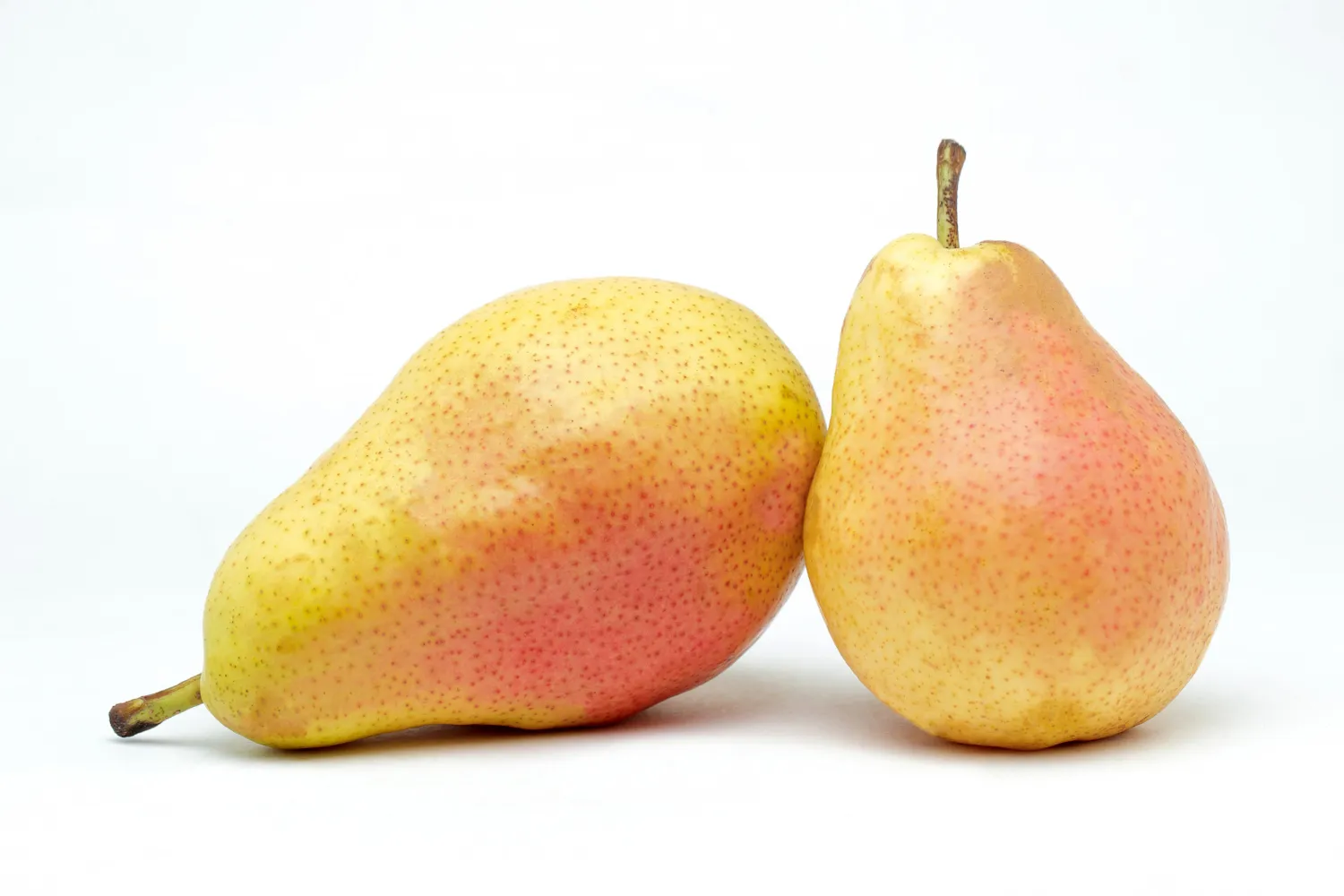
Pear is a juicy fruit from the Pyrus genus, cultivated mainly in cooler climates. Variants range from green to yellow, red and brown, each offering crispness and a unique flavour tone. Also called Nashpati in India, it has a high-water content and beneficial dietary fibres, making it light but filling. The fruit is commonly eaten raw, blended in smoothies or sliced into salads.
With a soft skin and grainy texture, pears are gentle on the digestive system and support hydration during warm weather. Their nutrient profile helps strengthen immunity and maintain metabolic function over time.
What Are the Benefits of the Pear Fruit?
There are several benefits of eating pears, affecting multiple bodily processes and organ systems:
1. Supports Digestive Health
Pear is one of the most fibre-rich fruits, containing both soluble and insoluble fibres that improve digestion. Regular consumption promotes gut balance and comfortable digestion.
2. Boosts Heart Health
The fruit is naturally low in fat and contains potassium, which supports heart rhythm and blood pressure regulation. Antioxidants further protect arteries from oxidative stress.
3. Helps in Weight Management
High fibre and water content make pears filling without adding excess calories. This maintains satiety and can support controlled weight loss.
4. Strengthens Immunity
Vitamin C present in pears assists immune cell activity and defends the body from infections.
5. Promotes Healthy Skin
Hydration, Vitamin C and antioxidants contribute to skin repair, elasticity, and glow. This forms one of the notable pear fruit benefits for appearance and recovery.
6. Good for Hydration
With over 80% water content, pears help maintain hydration and electrolyte balance.
7. May Support Diabetes Management
Low glycaemic index and fibre help in controlling sugar absorption. When eaten in moderation, pears can be suitable for diabetes management plans.
8. Natural Source of Antioxidants
Flavonoids, Vitamin C and phytonutrients help reduce cellular inflammation, stress and fatigue. A majority of these properties are stored in the peel.
9. Beneficial for Pregnant Women
Pears are generally considered safe to consume during pregnancy, thanks to their fibre content, folate, and hydrating properties. They may help alleviate constipation and support foetal development due to their Vitamin K and folate content. However, it is always advisable to consume them in moderation.
10. Enhances Metabolism
Copper, potassium and folate support cellular activity and energy conversion in the body. When consumed regularly, pears can enhance internal health, skin quality and overall wellness.
How Do Pears Support Gut and Immune Health?
The primary benefits of Nashpati (Pear) extend to improved digestion and better immunity. Here’s how:
- Rich in Fructose and Sorbitol: These natural sugars contribute to smooth digestion.
- Dietary Fibre Content: High fibre supports smooth digestion and promotes healthy gut bacteria.
- Presence of Pectin: This type of soluble fibre aids digestion, which promotes gut health.
- Source of Copper: This essential mineral helps the body fight oxidative stress and improves immune function.
- Vitamins and Antioxidants: The various vitamins and antioxidants reduce cellular damage, which improves immunity.
Best Ways to Include Pears in Your Daily Diet
Like any other fruit, you can work pears into your diet in many forms. Here’s how you can plan your intake to maximise the Nashpati benefits:
Healthy Snack Ideas with Pear
Air fry thin pear slices to make pear chips and season them with sea salt. You can also make a pear cinnamon yoghurt parfait. Cook the pear with cinnamon and sugar, and serve it with yoghurt. Another option is candied pears with caramel.
Pear in Salads and Smoothies
You can thinly slice the pear and roast it. Pair it with nuts, seeds, and other fruits. Make a quick balsamic or lemon-honey dressing or a sauce for a punchy taste.
For smoothies, blend the pear with spinach, bananas, or oats with milk or yoghurt for a liquid base. You can experiment with the combinations you like for versatility.
Add to Overnight Oats
Overnight oats are quickly becoming a healthy breakfast option for busy professionals and students. You can customise the oats, chia seeds, pumpkin seeds, and milk combination with different fruits. This makes diced pear a practical addition.
Uses of Pear Fruit
Pears are versatile in flavour, making it easy to include in home cooking.
Common uses include:
- Fresh fruit consumption after meals
- Smoothies or breakfast bowls
- Salad topping for crunch and sweetness
- Pear compote or puree for desserts
- Ingredients in healthy juices
- Side serving for oats or cereal
- Roasted or grilled for flavour-rich recipes
Children and older adults particularly enjoy soft, ripe pear slices due to easy chewing and gentle digestion.
Benefits of Pear Fruit in Ayurveda
Ayurveda recognises the Nashpati fruit as balancing for Pitta and Vata when eaten at room temperature. Its cooling nature reduces internal heat, soothes acidity, and supports bowel movement.
Pear juice is traditionally offered for dehydration, mild fever, and digestive uneasiness. However, individuals with slow digestion or Kapha imbalance are advised to eat pears in controlled portions or avoid consuming them immediately after heavy meals.
Side Effects of Pear Overconsumption
As with anything good or beneficial, moderation remains essential with pears. Possible side effects include:
Bloating if eaten excessively
Loose stools in highly sensitive digestion
Unripe pears may cause stomach discomfort
High fibre overload may cause gas formation
Not advisable in very cold weather for people with weak digestion.
Washing pears before eating is recommended to avoid pesticide exposure.
How Health Insurance Helps with Overall Wellness
Nutritious fruits like pears contribute to long-term wellness but cannot replace medical support during illness or emergencies. Unexpected hospitalisations, infections, diagnostic needs, or injury-related treatments may cause substantial expenses.
A health insurance plan from SBI General Insurance ensures financial assistance and timely access to professional care without burdening savings.
Insurance coverage supports:
- Hospitalisation expenses
- Diagnostic and treatment costs
- Pre- and post-hospital care
- Emergency medical support, and more, as per policy wordings.
Conclusion
Pears are gentle, hydrating and highly nutritious, making them a smart addition to daily meals. A pear’s nutrition profile supports digestion, immunity, hydration and skin health, making this fruit suitable for adults, children and pregnant women when consumed moderately. Various recipes and meal combinations make it adaptable and enjoyable.
Balanced intake, seasonal variety and mindful eating help maximise the pears’ nutritional potential for long-term wellness.
Disclaimer: This article is for informational purposes only and is not medical advice. Consult a qualified healthcare professional for diagnosis or treatment decisions.
FAQs
1. Pear with or without the skin, which is better?
The outer skin is rich in fibre and antioxidants. Hence, the pear-eating benefits are better realised with the skin.
2. What are the main benefits of pear fruit?
The main benefits of the pear fruit include improved digestion, hydration, immunity, and heart health.
3. Is eating pears safe during pregnancy?
Yes, pears are safe during pregnancy when consumed in moderation and with medical advice if necessary.
4. What are pears' benefits and side effects?
Benefits include digestion, heart support and skin health, while excess intake may cause bloating or loose stools.
5. What is the key nutritional value of pears?
Pears are rich in fibre, Vitamin C, potassium, and antioxidants.
6. How often should pears be eaten?
3–4 servings per week work well for most individuals.
This blog is intended solely for educational and informational purposes. Content reflects data at time of publication and may not accurately reflect current premiums, terms, or regulations. Readers are encouraged to confirm the accuracy and relevance of the data before making any significant decisions. SBI General Insurance disclaims responsibility for any errors or consequences arising from the use of outdated information provided herein. For more details, please refer to the policy wordings and prospectus before concluding the sales. *Add-ons are subject to payment of additional premium.
Access and manage all your Insurance Needs in one place, right at your Fingertips.




4/5*
Access and manage all your Insurance Needs in one place, right at your Fingertips.



Vision
Our vision is to become the most trusted general insurer for a transforming India.
Mission
Our mission is to provide simple and innovative general insurance solutions, be responsive to our customers' needs and build a sustainable business for the future.
We're socially active!