


 Contact Us


 Other Insurance
Health Benefits of Plums (Aloo Bukhara)
Date: Dec 1, 2025 - Last Modified May 5, 2026


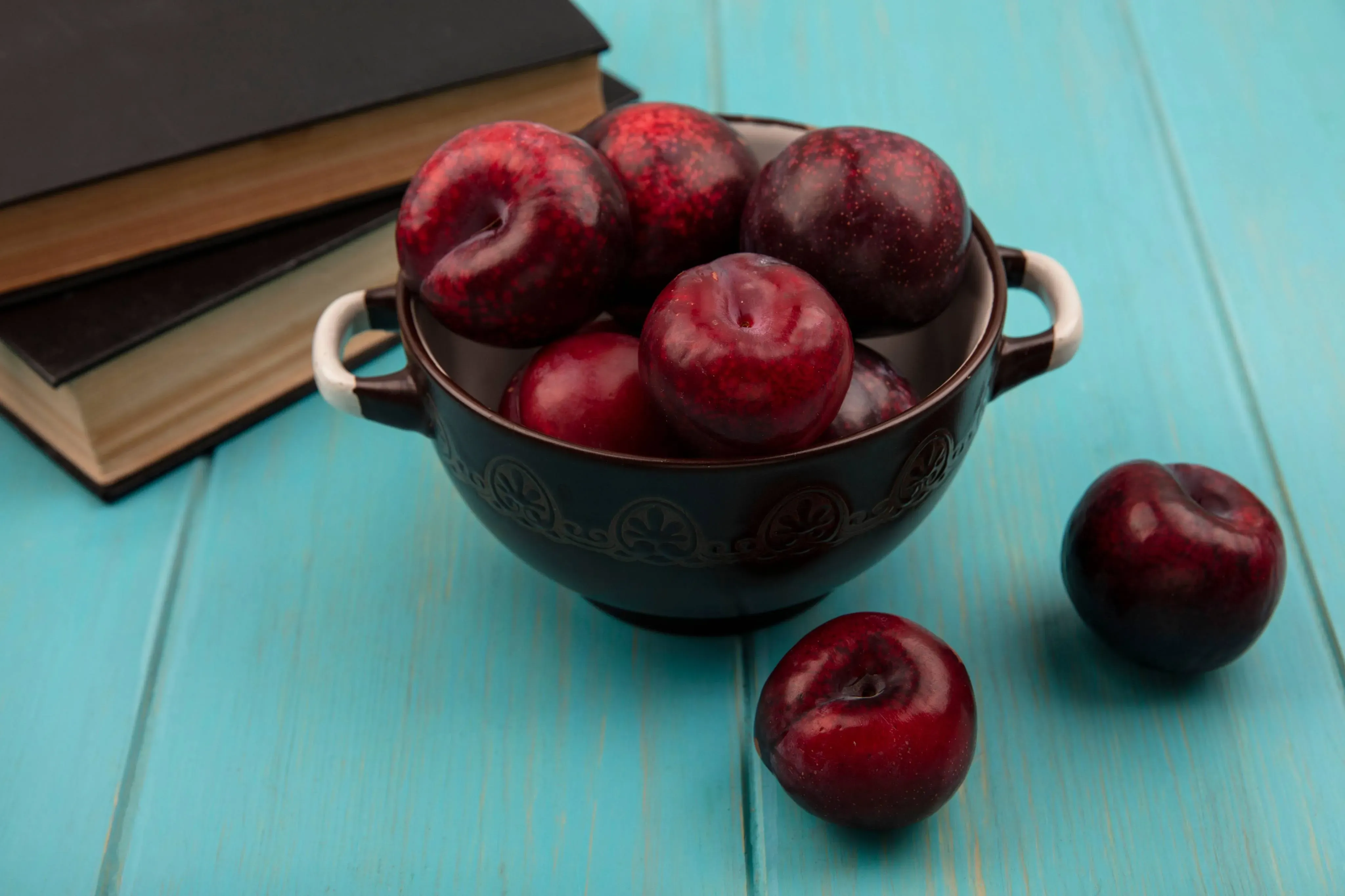
Plums, also known as aloo bukhara, are nutrient-rich fruits packed with fibre, vitamins and antioxidants. They help support digestion, boost immunity and make a simple, healthy addition to your everyday balanced diet.
This information covers the nutritional value of plums or aloo bukhara health benefits, the ways of using them, the potential side effects, and the most frequent questions about aloo bukhara benefits to the Indian consumer.
Nutritional Value of Plum or Aloo Bukhara (Per 100g)
The calorie content of plums is quite low, approximately 46 kcal per 100 grams, and this makes plum a healthier, low-calorie snack option. A 100-gram portion of it has about 11.4 grams of carbohydrates, 0.7 grams of protein, 0.28grams of fat, and 1.4grams of dietary fibre. They contain 9.9 grams of sugar, which makes them naturally sweet. The vitamins contained in plums include vitamin C and vitamin A, and the minerals include potassium and iron. These are the nutrients that render plums a useful fruit in most of the body's functions where energy is needed daily. However, they are not an energy-dense fruit or a major source of daily energy.
Health Benefits of Plum fruit or Aloo Bukhara
Before consuming this delicious fruit, it can help to know the plum fruit benefits:
1. Enhances the digestive system and eliminates constipation
High dietary fibre is contained in aloo bukhara, and it aids in the regularity of bowel movements and prevents constipation. It also promotes the development of good gut bacteria, which enhance digestion and absorption of nutrients. Consumption of plums can decongest the stomach and maintain a healthy digestive system.
2. Supports heart health
Plums contain potassium that assists in maintaining the blood pressure level by balancing the sodium levels. Antioxidants such as polyphenols prevent inflammation and cholesterol accumulation in the arteries, which reduces the risk of heart disease. Plums also help in controlling a healthy cholesterol level.
3. Regulates blood sugar
Plums are sweet, although they have a low glycemic index. The fibre content also slows down sugar uptake and reduces insulin spikes, which are beneficial for individuals with diabetes. Plums can be consumed moderately to control blood sugar.
4. Promotes better bone health
Plums, especially dried plums or prunes, contain vitamins A, as well as minerals such as boron, which help maintain bone density and strength. Regular consumption may help reduce bone loss and support bone density.
5. Anti-inflammatory and immunity enhancer
The vitamin C and antioxidants in aloo bukhara help in enhancing the immune system, which in turn helps the body to fight infection and chronic inflammation. The compounds also keep skin cells intact to have healthy and glowing skin.
How to Use Plums: Recipes to Try
Plums may be eaten fresh as snacks or be used in different recipes to add natural sweetness and flavour. They are applied in smoothies, salads, jam, and desserts. Prunes or dried plums are also used as a remedy for digestion. Using plums in cooking provides antioxidants and nutrients to food, and thus, they are a flexible food item in Indian cuisine.
Side Effects of Plum or Aloo Bukhara
1. May cause bloating or gas
High intake of plums may cause stomach upsets like bloating because of high fibre content.
2. Excess usage can cause diarrhoea.
Excessive consumption of plums or prunes may result in loose stools or diarrhoea due to their natural laxative action.
3. May affect blood sugar levels
Plums may influence the level of blood sugar, and diabetic patients need to control their consumption and consult a health care provider.
4. Allergy risk (Rare)
Although very rare, there are people who might have an allergic reaction to plums, like itching or swelling.
Difference Between Plums and Prunes
Plums are fresh, juicy fruits with smooth skin, while prunes are simply plums that have been dried. Once dried, the fruit becomes sweeter, chewier and more concentrated in nutrients, with a longer shelf life.
What Are Prunes?
Prunes are dried plums, usually made from specific varieties that dry well without fermenting. They have a naturally rich sweetness and are known for supporting digestion, thanks to their high fibre content.
Nutritional Differences Between Plums and Prunes
Fresh plums are light, hydrating and lower in calories. Prunes, on the other hand, have more fibre, iron and antioxidants in a smaller serving because the water content is reduced during drying.
Which Is Better for Health?
There isn’t a clear winner. Plums are great for hydration and light snacking, while prunes are better when you need digestive support. Including both in moderation can give you a good balance of aloo bukhara benefits.
Best Time and Ways to Eat Plums
Plums are easy to add to your day; you can eat them fresh, slice them into a salad or pair them with yoghurt. Many people find mid-morning or early evening works best for digestion and sustained energy.
Eating Plums on an Empty Stomach
Some people like having plums first thing in the morning, as it may support digestion. That said, if you have a sensitive stomach, start small to avoid any acidity or discomfort.
Ideal Time for Consumption During the Day
A good time to enjoy plums is mid-morning or after lunch. It gives your body time to absorb the nutrients well and helps keep your energy steady, without those sudden highs and lows.
Recommended Daily Quantity
A simple way to keep it balanced is one to two fresh plums or around three to four prunes a day. Going overboard may lead to bloating or loose motions due to the fibre content.
Plums for Specific Health Conditions
Plums bring together fibre, vitamins and antioxidants that support everyday health. When eaten regularly and in moderation, plum fruit benefits your diet and helps manage common health concerns.
Plums for Constipation Relief
Those who have dealt with constipation, will probably have heard about prunes. They are a simple, natural fix that many people rely on. In fact, adding a few to one’s routine often helps get things moving more comfortably within a few days.
Plums for Heart Health
Adding plums to your diet can be a small but helpful step for heart health. Their potassium and antioxidants may support healthy blood pressure and reduce stress on the heart over time.
Plums for Blood Sugar Management
Plums can fit into a balanced diet even if you’re watching your sugar levels. Their fibre helps slow down sugar absorption, which means fewer sudden spikes when eaten in moderation.
Conclusion
Plums or aloo bukhara are a healthy, low-calorie food that has many health advantages, such as improved digestion, a stronger heart, controlled blood sugar, healthy bones, and increased immunity. They may be added to a well-balanced diet in numerous ways and promote overall health. Temperance is the secret to preventing potential side effects. Plums can be incorporated into daily meals to enable one to remain healthy naturally and backing this with a reliable health insurance plan ensures your wellness journey stays fully protected.
Disclaimer: All information mentioned in this blog is for informational and educational purposes only. For accurate medical guidance, consult a certified healthcare professional. SBI General Insurance is not responsible for any consequences resulting from reliance on the content provided.
FAQs
Q: How many calories are in aloo bukhara?
The number of calories in plums is about 46 kcal/100 grams.
Q: Are there any significant aloo bukhara advantages?
Yes, there are several aloo bukhara benefits, such as better digestion, heart support, blood sugar control and bone health.
Q: Is it possible to consume aloo bukhara daily?
Yes, when taken in moderation as a part of a balanced diet.
Q: Is aloo bukhara effective in constipation?
Yes, high fibre level promotes normal bowel movements.
Q: Are there any side effects of consuming plums?
Side effects may include gas, diarrhoea (if consumed beyond moderation) or allergy in some rare instances.
Q: Does aloo bukhara reduce blood sugar?
Plums have a low glycemic index, which may not lead to high spikes in blood sugar levels.
Q: Are plums good for skin health and anti-ageing?
Yes, and it shows over time. The vitamin C and antioxidants in plums help protect your skin from daily damage. With regular intake, they may support healthier, more resilient skin.
Q: Can plums help improve digestion beyond constipation?
Plums don’t just help with constipation; they keep your digestion moving smoothly overall. Many people notice they feel lighter, with less bloating and discomfort, when plums become a regular part of their routine.
Q: Are dried plums (prunes) good for gut health?
Prunes are known to support gut health. They act as food for good bacteria in your gut, which can improve digestion and overall gut comfort when eaten consistently.
Q: Can plums help boost immunity naturally?
Plums can be a simple addition to support immunity. Their antioxidants and vitamin C help your body handle everyday stressors and stay better prepared to fight infections.
Q: Are plums suitable for people with high cholesterol?
The fibre in plums may help manage cholesterol levels over time. As part of a balanced diet, they can support overall heart health in a gentle, natural way.
Q: Can children include plums in their daily diet?
Yes, kids can absolutely enjoy plums as a healthy snack. They are naturally sweet, so most children take to them easily. The key is to start with small portions and increase gradually to make sure their digestion handles it well.
This blog is intended solely for educational and informational purposes. Content reflects data at time of publication and may not accurately reflect current premiums, terms, or regulations. Readers are encouraged to confirm the accuracy and relevance of the data before making any significant decisions. SBI General Insurance disclaims responsibility for any errors or consequences arising from the use of outdated information provided herein. For more details, please refer to the policy wordings and prospectus before concluding the sales. *Add-ons are subject to payment of additional premium.
Access and manage all your Insurance Needs in one place, right at your Fingertips.




4/5*
Access and manage all your Insurance Needs in one place, right at your Fingertips.



Vision
Our vision is to become the most trusted general insurer for a transforming India.
Mission
Our mission is to provide simple and innovative general insurance solutions, be responsive to our customers' needs and build a sustainable business for the future.
We're socially active!