


 Contact Us


 Other Insurance
Health Benefits of Ragi: Nutrition, Uses, Benefits, and Side Effects
Date: Dec 11, 2025 - Last Modified May 29, 2026


Ragi has been a part of Indian diets for a considerable period. It is now gaining global recognition owing to its impressive nutritional profile and associated health benefits. Understanding the health benefits of ragi beyond basic nutrition can enable individuals to better incorporate it into their diets.
This article explains what ragi is, outlines its nutritional value, and highlights its health benefits. It also helps focus on precautions to take and possible side effects.
What is Ragi?
Ragi, also known as nachni or finger millet, is a nutrient-rich grain that has been a part of traditional diets for generations. Naturally gluten-free, ragi is easy to digest and rich in fibre, calcium, and iron, which may offer several health benefits.
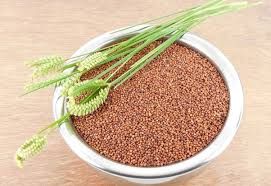
Ragi grains are small, round, and reddish-brown in colour. Its flour has a soft and fine texture, along with a mildly earthy taste and dense consistency.
Nutritional Values of Ragi
The nutritional value of ragi may surpass that of several cereals and millets. As a nutrient-dense staple food, it can offer a host of health benefits. The nutritional profile of ragi is displayed in the following table:
Nutrient | Amount (per 100g) |
Protein | 7.3 g |
Calcium | 344 mg |
Carotene | 42 mcg |
Thiamine | 0.42 mg |
Riboflavin | 0.19 mg |
Niacin | 1.1 mg |
Carbohydrates | 72 g |
Fat | 1.3 g |
Dietary Fibre | 11.5 g |
How Ragi Supports Weight Loss and Digestion?
A leading advantage of ragi is its ability to support weight loss by functioning as a natural appetite regulator. It can offer benefits through the following means:
- Promotes Satiety and Manages Cravings: The high fibre content of ragi helps keep individuals full for longer. It may therefore help control appetite and prevent overeating.
- Regulates Hormones: When digestion slows down, and glucose is released gradually, hormones such as leptin and ghrelin may stabilise. They play a role in controlling fullness and hunger.
- Provides Amino Acids: Ragi contains essential amino acids, including methionine and lysine. They help with muscle preservation and support fat oxidation. Their functions may be important for long-term weight management.
- Promotes a Balanced Diet: Unlike refined flours, ragi does not have gluten. It is a low-calorie, nutrient-dense grain that helps keep a diet clean.
The health benefits offered by ragi can help support digestion in the following ways:
- Prevents Constipation: It has a high insoluble fibre content that can add bulk to stools. This can help food pass smoothly through the digestive tract.
- Promotes Gut Health: Fibre also acts as a prebiotic, supporting the growth of beneficial gut bacteria. This enables optimal nutrient digestion.
Benefits of Ragi for Bone Health and Diabetes
One of the leading ragi benefits is its potential to manage and improve bone health. It may offer these benefits due to the following nutritional properties.
- Elevated Calcium Density: Ragi is among the leading plant-based sources of calcium. 100 grams of ragi can contain around 350 milligrams of calcium. As calcium is important for bone development and maintenance, consuming ragi can be beneficial.
- Osteoporosis Prevention: For the prevention of osteoporosis and osteopenia, calcium, potassium, and other nutrients present in ragi are essential. A study involving premenopausal women showed that a combination of physical activity and ragi supplement improved bone mineral density (BMD) and calcium level.
Ragi can help manage diabetes by offering the following advantages:
- Blood Sugar Control: Ragi’s low glycaemic index can make it a good choice for individuals with diabetes. The slow glucose release can help prevent sudden blood sugar spikes, making diabetes management easier.
- Nutrient Rich: Ragi contains important vitamins and minerals, including iron, magnesium, and potassium. They are important for maintaining overall health and can support metabolic functions.
- Antioxidant Properties: Ragi contains phenolic compounds and other phytochemicals with antioxidant properties. They can help manage oxidative stress and inflammation, which are common among people with diabetes. Ragi can also help protect against cell damage.
Additional Health Benefits of Ragi
Ragi benefits are not limited to digestion, diabetes, bones and weight loss. The following are other potential advantages of the grain:
- Ragi contains iron, which may help address mild anaemia.
- It has a natural cooling effect, making it an important soothing agent during warm weather.
- As it contains complex carbohydrates, it may release energy steadily, helping individuals stay active for longer.
- Tryptophan in ragi may act as a natural relaxation agent, helping manage stress and support restful sleep.
- The amino acids in ragi, such as methionine, can help repair skin and promote a healthy appearance.
Easy Ragi Recipes
Some simple preparations that can help one gain the advantages of eating ragi are:
- Porridge: Also known as ragi java, it may aid digestion and have a calming effect on the stomach.
- Roti or Dosa: Ragi can be used in place of regular flour to make rotis and dosas that are rich in nutrition.
- Malt Drink: It is a drink made by mixing ragi flour with water or milk, which may have nourishing effects.
- Baked Snacks: Ragi flour can be added to muffins, cookies and crackers to make sweet treats healthier.
- Ladoos: Ragi combined with jaggery and nuts can help create nutrient-packed sweets.
- Mixed Grain Meals: Ragi can be combined with other millets and rice to create a balanced and filling meal.
Ragi Precautions and Side Effects
While ragi is generally safe, it can have side effects which may include:
- Bloating or feeling slightly gassy may occur if individuals are not used to fibre-rich foods.
- Overconsumption, combined with other iron-rich foods, can cause mild discomfort.
- Ragi contains oxalates, which can be harmful in high quantities to kidney health in vulnerable individuals.
When adding ragi to the diet, individuals can take the following precautions:
- Ragi should be added to the diet gradually to allow the digestive system to adjust.
- It must be mixed with vegetables and grains to create balanced meals.
- In case of discomfort, individuals must consult a healthcare professional to identify allergies.
- It can be paired with vitamin-C-rich foods, as this can help improve iron absorption.
- While nutritious foods like ragi support long-term health, they cannot eliminate the risk of unexpected medical issues. That’s why, health insurance is important.
Significance of Health Insurance Plans
Even when individuals eat well and engage in routine physical activity, health emergencies can still occur. It is therefore important to be financially prepared for such unexpected occurrences. A health insurance plan by SBI General Insurance can offer such support. It can help maintain financial security during medical emergencies.
Conclusion
Ragi can have multiple benefits owing to its high nutrient composition. Adding it to daily meals or broader diets can help manage various health issues. Despite its health benefits, ragi should be consumed in moderation to maintain a balanced diet and avoid side effects.
With healthy dietary habits, having a suitable health insurance plan from SBI General Insurance can be equally beneficial. It can help individuals stay financially prepared for medical needs.
Note: This article is for informational purposes only and is not medical advice. Consult a qualified healthcare professional for diagnosis or treatment decisions.
FAQs
1. What are the health benefits of ragi?
Ragi may support bone health, digestion, diabetes management, weight control, energy levels, and overall wellness due to its rich nutrient profile.
2. Is ragi good for diabetes?
Yes, ragi has a low glycaemic index, which may help regulate blood sugar levels and prevent sudden glucose spikes.
3. Can ragi help in weight loss?
Ragi’s high fibre content may promote fullness, reduce overeating, and support healthy weight management.
4. Is ragi good for babies and children?
Yes, ragi is rich in calcium and iron, making it a nutritious food option for growing children when consumed appropriately.
5. What is the best time to eat ragi?
Ragi can be eaten at any time of the day. Many individuals prefer it for breakfast or dinner because it is filling and easy to digest.
This blog is intended solely for educational and informational purposes. Content reflects data at time of publication and may not accurately reflect current premiums, terms, or regulations. Readers are encouraged to confirm the accuracy and relevance of the data before making any significant decisions. SBI General Insurance disclaims responsibility for any errors or consequences arising from the use of outdated information provided herein. For more details, please refer to the policy wordings and prospectus before concluding the sales. *Add-ons are subject to payment of additional premium.
Access and manage all your Insurance Needs in one place, right at your Fingertips.




4/5*
Access and manage all your Insurance Needs in one place, right at your Fingertips.



Vision
Our vision is to become the most trusted general insurer for a transforming India.
Mission
Our mission is to provide simple and innovative general insurance solutions, be responsive to our customers' needs and build a sustainable business for the future.
We're socially active!