


 Contact Us


 Other Insurance
Health Benefits of Rajma (Kidney Beans)
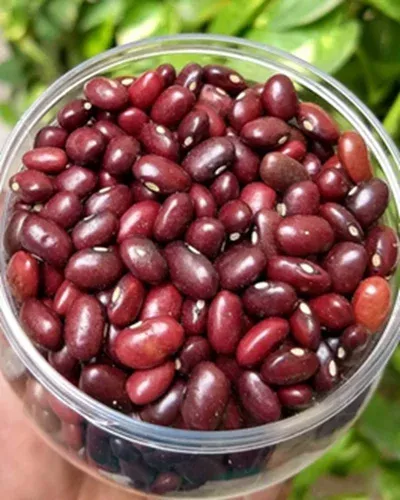
Date: Dec 2, 2025 - Last Modified May 29, 2026


Rajma, also known as kidney beans, is a popular ingredient in Indian households. From comforting rajma chawal to nutritious salads and soups, this legume is appreciated for its taste. However, many are not aware of its nutritional profile and potential health benefits. Rajma is rich in protein, dietary fibre, iron, potassium, magnesium, and complex carbohydrates.
This article explores the health benefits of rajma, its nutritional value, and ways to include it in everyday meals.
Nutritional Value of Rajma
Rajma contains several essential nutrients that improve overall health. It is especially popular among vegetarians as a plant-based source of protein.
Here’s a clear overview of the nutrients present in rajma and their respective benefits:
Nutrient | Benefits |
Protein | Good for muscle growth and repair |
Dietary fibre | Improves digestion and supports gut health |
Iron | Helps in red blood cell production |
Magnesium | Supports nerve and muscle function |
Potassium | Helps maintain fluid balance |
Complex carbohydrates | Provide sustained energy |
Antioxidants | Support cellular health |
Benefits of Including Rajma in Your Diet
Including rajma in regular meals may offer several nutritional advantages due to its nutrient composition.
1. Improves Digestive Health
Rajma is rich in dietary fibre, which is essential for healthy digestion. Fibre can maintain regular bowel movements and improve gut health. It can also promote a feeling of fullness for longer periods. This can promote mindful eating habits.
Additionally, consuming rajma with sufficient water and a balanced diet can support digestive comfort over time.
2. Provides Plant-Based Protein
Protein is essential for muscle repair, tissue maintenance, and other bodily functions. Rajma serves as a useful protein source for vegetarians and individuals looking to diversify their protein intake.
Combining rajma with rice creates a complementary protein profile. Hence, one can view rajma chawal as a nutritionally balanced meal.
3. May Support Heart Health
Rajma contains potassium, magnesium, and fibre, nutrients commonly associated with heart health. Fibre can support healthy cholesterol management when included as part of a balanced lifestyle.
Additionally, rajma is naturally low in saturated fat, which makes it suitable for heart-conscious meal plans.
4. Helps Maintain Energy Levels
Rajma contains complex carbohydrates that release energy gradually. This slow digestion process can stabilise energy levels throughout the day compared to foods high in refined sugars.
For this reason, rajma is often included in wholesome lunch or dinner meals.
5. Supports Weight Management Goals
Foods rich in fibre and protein may contribute to satiety. Rajma can promote a feeling of fullness for longer durations, which may limit unnecessary snacking between meals.
When prepared with moderate oil and mild ingredients, one may enjoy the benefits of rajma for weight loss.
6. Contains Iron for Blood Health
Iron plays a role in the production of haemoglobin, which carries oxygen throughout the body. Rajma contains plant-based iron that can contribute to daily iron intake.
Pairing rajma with foods rich in vitamin C, such as tomatoes or lemon juice, can further improve iron absorption.
7. May Support Hair Healthsa
Rajma contains iron and protein, nutrients that contribute to healthy hair growth. Iron helps improve oxygen supply to hair follicles, while protein supports hair structure. Including rajma regularly may support overall hair health, making it relevant when discussing rajma benefits for hair.
Rajma Recipes to Try
Rajma can be used in a variety of wholesome and flavourful dishes. Its rich texture and mild taste pair well with different ingredients and cooking styles.
Popular Rajma Dishes
- Rajma chawal with steamed or brown rice.
- Rajma salad with fresh vegetables and lemon dressing.
- Rajma soup with mild herbs and spices.
- Whole wheat rajma wraps or rolls.
- Rajma tikki as a light evening snack.
- Mixed bean curry with vegetables.
- Rajma pulao prepared with simple spices.
- Rajma sandwich filling for quick homemade meals.
By using fresh vegetables, balanced spices, and moderate oil in these dishes, one can add more taste and increase the health benefits of rajma as well.
Kidney Beans or Rajma Side Effects
Rajma is nutritious and widely consumed. However, excessive intake or improper preparation may cause discomfort in some individuals.
Possible Side Effects of Rajma
- Bloating or gas due to its high fibre content.
- Digestive discomfort if consumed in large quantities.
- Stomach irritation from undercooked rajma.
- Difficulty in digestion for individuals sensitive to legumes.
- Temporary heaviness after meals in some cases.
Raw or undercooked rajma contains natural compounds that may cause nausea or stomach discomfort. Proper soaking and thorough cooking are important before consumption.
Note: People with specific dietary concerns may benefit from speaking with a healthcare professional before adding large amounts of rajma to their diet. Individuals with existing medical conditions should also seek personalised dietary guidance when required.
Tips for Preparing Rajma Properly
Proper preparation of rajma is important for both taste and digestion. Here are some steps for preparation and enhancing the benefits of eating rajma:
- Wash the rajma thoroughly.
- Soak it in water for 6 to 8 hours before cooking.
- Drain and rinse before cooking.
- Pressure cook until soft.
Importance of Purchasing Health Insurance Plans
Healthy habits such as balanced meals, regular exercise, and timely medical check-ups contribute to long-term well-being. Along with these lifestyle choices, health insurance plans can provide financial support during medical situations.
Medical expenses have increased steadily over the years, and unexpected treatments can affect household finances. A suitable health insurance plan can ease this financial burden by supporting expenses related to hospitalisation, emergencies, and planned medical care.
Conclusion
Rajma is a nutritious legume that can be included in a balanced diet due to its protein, fibre, iron, and essential nutrient content. From supporting digestion to contributing to energy and satiety, rajma can be a wholesome addition to everyday meals when prepared properly and consumed in moderation.
Over and above healthy eating habits and regular physical activity, financial preparedness is also important long-term well-being. SBI General Insurance offers health insurance plans that can support individuals and families during medical emergencies and planned healthcare needs.
Note: This article is for informational purposes only and is not medical advice. Consult a qualified healthcare professional for diagnosis or treatment decisions.
FAQs
1. Is rajma good for weight loss?
Rajma contains fibre and protein, which can promote a feeling of fullness for longer periods. Including rajma in balanced meals may support portion control and mindful eating habits when combined with regular exercise and a healthy lifestyle.
2. What nutrients are present in rajma?
Rajma contains protein, dietary fibre, iron, potassium, magnesium, calcium, and complex carbohydrates. It also provides antioxidants and essential nutrients that contribute to balanced nutrition.
3. Can rajma help control blood sugar levels?
Rajma contains complex carbohydrates and fibre, which are digested slowly. This gradual digestion process may support balanced blood sugar levels when rajma is included as part of a healthy diet.
4. Is rajma good for heart health?
Rajma contains fibre, potassium, and magnesium, nutrients commonly associated with heart health. Its low saturated fat content also makes it suitable for balanced meal plans.
5. What are the side effects of eating rajma daily?
Eating large quantities of rajma daily may cause bloating, gas, or digestive discomfort in some individuals. Proper soaking and cooking are important, as undercooked rajma may lead to stomach-related discomfort.
This blog is intended solely for educational and informational purposes. Content reflects data at time of publication and may not accurately reflect current premiums, terms, or regulations. Readers are encouraged to confirm the accuracy and relevance of the data before making any significant decisions. SBI General Insurance disclaims responsibility for any errors or consequences arising from the use of outdated information provided herein. For more details, please refer to the policy wordings and prospectus before concluding the sales. *Add-ons are subject to payment of additional premium.
Access and manage all your Insurance Needs in one place, right at your Fingertips.




4/5*
Access and manage all your Insurance Needs in one place, right at your Fingertips.



Vision
Our vision is to become the most trusted general insurer for a transforming India.
Mission
Our mission is to provide simple and innovative general insurance solutions, be responsive to our customers' needs and build a sustainable business for the future.
We're socially active!