


 Contact Us


 Other Insurance
Health Benefits of Soya Chunks
Date: Jan 6, 2026 - Last Modified Jun 4, 2026


Soya chunks have become a popular part of many Indian diets, especially among people looking for affordable and protein-rich food options. They are easy to cook and fit well into everyday meals such as curries, pulao, stir-fries, and snacks. Whether someone follows a vegetarian diet or simply wants to increase protein intake, soya chunks are often a practical choice.
The growing awareness around fitness and balanced nutrition has also increased interest in the health benefits of soya chunks. They are rich in protein, fibre, iron, and other essential nutrients. Regular consumption contributes to muscle strength, steady energy levels, and better health when included in a balanced diet.
What Are Soya Chunks?
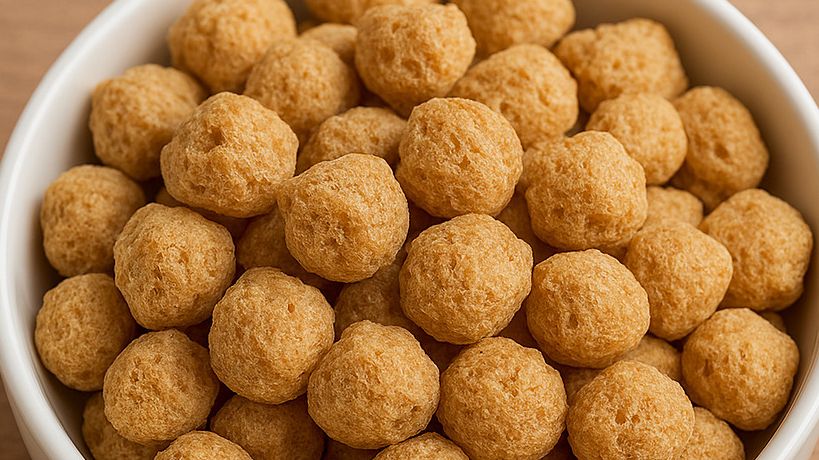
Soya chunks are made from defatted soy flour, which remains after extracting soybean oil. They are processed into small chunks or granules and then dried. Once soaked in water, they become soft and absorb flavours easily during cooking.
One reason behind their popularity is their high protein content. They are commonly included in vegetarian diets because they offer a plant-based protein source that is both filling and nutritious.
They are also easy to store and prepare, which makes them suitable for busy daily routines.
Soya Chunks Nutritional Value
Soya chunks contain several nutrients. Below is a table that offers a clear view of the same:
Key Nutrients Found in Soya Chunks:
Nutrient | Health Role |
Protein | Supports muscle repair and strength |
Iron | Helps maintain healthy blood circulation |
Calcium | Supports bone health |
Fibre | Supports digestion and fullness |
Potassium | Helps maintain fluid balance |
Isoflavones | Plant compounds with antioxidant properties |
Disclaimer: All information mentioned in this blog is for informational and educational purposes only. For accurate medical guidance, consult a certified healthcare professional. SBI General Insurance is not responsible for any consequences resulting from reliance on the content provided.
6 Benefits of Consuming Soya Chunks
Soya chunks are not just popular among fitness enthusiasts. Their nutrient-rich profile makes them a practical addition to everyday meals and contributes to better nutrition in several ways.
1. Helps in Muscle Building and Fitness
Protein plays an important role in muscle repair and recovery. Soya chunks contain a high amount of plant-based protein. This supports strength and fitness goals.
Soya chunks are commonly added to meal plans because they:
- Support post-workout recovery.
- Improve fullness after meals.
- Blend easily into Indian recipes.
- Provide affordable protein intake.
People who exercise regularly often include soya chunks in post-workout meals because they are filling and easy to prepare. This is one of the major advantages of soya chunks for active lifestyles.
2. Supports Weight Management
Soya chunks are rich in protein and fibre. These nutrients improve fullness after meals and reduce unnecessary snacking. Balanced portions also support healthy eating habits during weight management journeys.
Among the many benefits of eating soya chunks, their ability to keep individuals satisfied for longer durations is often appreciated.
3. Good for Bone Health
Soya chunks contain calcium and iron, which contribute to stronger bones and physical wellness. Balanced nutrition becomes increasingly important with age to support bone strength and mobility.
4. Helps Maintain Healthy Energy Levels
Iron supports healthy haemoglobin levels and helps the body maintain energy. Including iron-rich foods in daily meals contributes to better stamina and reduced tiredness during busy routines.
5. Supports Heart Health
Soya-based foods contain plant compounds and nutrients that support balanced nutrition and cardiovascular well-being when consumed as part of a healthy lifestyle.
6. Beneficial for Female Health
The benefits of soya chunks for females are often discussed because soya contains plant-based compounds known as isoflavones along with protein and iron, which contribute to balanced nutrition. Many women unintentionally consume less protein than their daily requirement while managing busy schedules, work responsibilities, and household tasks.
Over time, low protein intake can affect energy levels and muscle strength. Including soya chunks in regular meals becomes a simple and practical way to improve protein intake for women looking for filling and versatile vegetarian food options.
Best Ways to Include Soya Chunks in Meals
Soya chunks absorb flavours well, which makes them easy to include in different recipes.
Popular ways to eat soya chunks:
- Add them to curries and gravies
- Mix them into pulao or fried rice
- Use them in wraps or sandwiches
- Add them to salads after boiling
- Prepare stir-fried snacks with vegetables
Note: Before cooking, soya chunks should be soaked in warm water and squeezed properly. Doing so improves their texture and taste.
How to Eat Soya Chunks Without Overdoing It
Like any food, moderation is important while consuming soya chunks. Balanced portions help maintain dietary variety and nutritional balance.
Simple tips to follow:
- Combine soya chunks with vegetables and whole grains.
- Avoid excessive intake in a single meal.
- Drink enough water during high-protein diets.
- Choose fresh and properly stored products.
Note: People with existing health conditions or dietary restrictions should speak to a doctor before making major changes to their diet.
Side Effects of Soya Chunks
Soya chunks are generally included safely in balanced diets. However, excessive consumption may cause digestive discomfort in some individuals because of their fibre and protein content.
Some people may be allergic to soy or experience discomfort after eating soy-based foods. Those with specific dietary concerns should speak to a doctor before adding soya chunks regularly to their diet.
Healthy eating habits, balanced nutrition, and regular exercise contribute to long-term health. However, unforeseen health concerns and medical expenses can still arise at any stage of life.
Health insurance helps individuals and families during hospitalisation, medical treatments, and healthcare-related expenses. Suitable coverage helps individuals and families handle medical expenses more smoothly and access treatment when needed.
Conclusion
Soya chunks are rich in protein, fibre, iron, and essential nutrients that support overall wellness. From supporting muscle recovery and energy levels to helping maintain balanced eating habits, the health benefits of soya chunks make them a practical addition to everyday meals. Their versatility and affordability also make them suitable for different lifestyles and dietary preferences.
Along with eating nutritious foods and staying active, choosing suitable health insurance coverage from SBI General Insurance adds an extra layer of confidence during unexpected medical situations.
Note: This article is for informational purposes only and is not medical advice. Consult a qualified healthcare professional for diagnosis or treatment decisions.
FAQ's
1. Are soya chunks good for protein intake?
Yes, soya chunks are rich in plant-based protein. Therefore, they are often included in vegetarian and fitness-focused diets.
2. Can soya chunks help in muscle building?
Protein is important for muscle repair and recovery. Soya chunks are usually included in balanced fitness diets because of their high protein content.
3. Are soya chunks good for weight loss?
Soya chunks contain protein and fibre, which improve fullness after meals and support balanced eating habits.
4. Is it safe to eat soya chunks every day?
Soya chunks can be consumed in moderation as a part of a balanced diet. Dietary requirements vary depending on individual health conditions and nutritional needs.
5. Do soya chunks increase estrogen levels?
Soya contains plant compounds called isoflavones. Individuals with dietary concerns or specific medical conditions should consult a healthcare professional for personalised advice.
This blog is intended solely for educational and informational purposes. Content reflects data at time of publication and may not accurately reflect current premiums, terms, or regulations. Readers are encouraged to confirm the accuracy and relevance of the data before making any significant decisions. SBI General Insurance disclaims responsibility for any errors or consequences arising from the use of outdated information provided herein. For more details, please refer to the policy wordings and prospectus before concluding the sales. *Add-ons are subject to payment of additional premium.
Access and manage all your Insurance Needs in one place, right at your Fingertips.




4/5*
Access and manage all your Insurance Needs in one place, right at your Fingertips.



Vision
Our vision is to become the most trusted general insurer for a transforming India.
Mission
Our mission is to provide simple and innovative general insurance solutions, be responsive to our customers' needs and build a sustainable business for the future.
We're socially active!