


 Contact Us


 Other Insurance
Standing Yoga Poses: Process, Benefits, Precautions, and More
Date: Dec 11, 2025 - Last Modified May 13, 2026


Standing yoga poses improve balance, strength, flexibility, and posture while also supporting mental well-being. Practising them regularly builds stability, increases body awareness and boosts overall fitness, making them a simple yet effective addition to your daily wellness routine.
People who practice yoga often start with simple ground poses, but many later discover that standing poses offer better balance, steadier breathing, and improved focus. These movements keep the body active while helping the mind stay calm. Standing poses are also easier for beginners who can't sit on the floor for long periods. They provide steady pressure on the muscles in the legs and back, which helps improve posture over time. Standing poses are great for home practice because they require little space and no bulky equipment.
There's no need for a long warm-up; just one mat is all that's needed. These poses are especially helpful for those who sit for long hours in offices and feel their bodies becoming stiff. Therefore, the routine below is suitable for most people.
Top 15 Standing Yoga Poses
Below are fifteen common standing poses used in many basic yoga sessions. Some are gentle, some give a bit of stretch, but all help strengthen and support the legs, back, and shoulders safely.
1. Mountain Pose
This simple start teaches you how to stand straight while breathing calmly . Feet stay close, shoulders drop, and the spine rises. This pose may feel basic, but it establishes a foundation for other standing yoga asanas.
2. Chair Pose
Bend your knees, move your hips back, and reach your arms up. Your legs might shake a little at first. Many trainers advise not to push too hard. Doing a warm-up flow before is advisable, as it helps prepare the body .
3. Tree Pose
One foot rests on the inner thigh of the other leg. This pose improves balance and promotes steady breathing. These standing poses are often recommended to be included in your daily routine.
4. Warrior I
Step one foot forward into a lunge and raise your arms overhead, allowing the back leg to stretch deeply. The chest faces forward while the hips stay aligned. This pose helps improve stamina, balance, and overall lower-body strength.
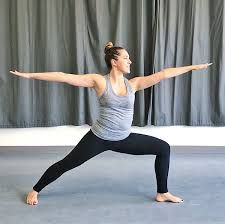
5. Warrior II
Extend your arms wide in opposite directions while bending the front knee and keeping the back leg straight. The gaze is steady over the front hand, and the spine stays upright. This pose builds strength and stability and is commonly used in warm-up sequences.
6. Warrior III
Tilt your torso forward while lifting one leg straight behind, forming a straight line from head to heel. Arms extend forward or stay by your sides for balance. This pose may feel challenging for beginners, but effectively strengthens the core and improves focus.
7. Triangle Pose
Stand with feet wide apart, stretch one hand down toward the leg while the other lifts upward toward the ceiling. Keep the chest open and spine lengthened. This pose provides a deep side stretch and helps enhance flexibility and balance.
8. Extended Side Angle
Bend the front knee and rest your elbow lightly on it while extending the opposite arm overhead. The body forms a long diagonal line from the back foot to the fingertips. This pose stretches the side body while improving strength and stability.
9. Half Moon Pose
Shift your weight forward and open the body sideways while placing one hand on the floor or a block for support. The lifted leg stays parallel to the ground. This pose requires balance and focus and may feel difficult for those with tight hamstrings.
10. Standing Forward Bend
Keep your legs straight and fold your upper body forward, bringing your chest toward your thighs. Allow the head to relax downward. This pose deeply stretches the hamstrings and back muscles and may feel intense, especially for beginners.
11. Standing Backbend
Gently arch your upper body backward with your hands placed supportively on your lower back. Lift the chest upward without straining the neck. This pose helps open the front body and improve flexibility in the spine.
12. Pyramid Pose
Position your feet in a short, staggered stance and fold your torso over the front leg. Keep both legs straight and hips aligned forward. This pose stretches the hamstrings and calves while encouraging steady, controlled breathing.
Quick tips for safer practice:
- Keep your knees slightly soft, not locked.
- Move slowly into each pose.
- Focus on breath more than speed.
- Stop if you experience any sharp pain.
13. Crescent Lunge
Similar to Warrior I, but the back heel remains lifted. The hips move forward gently, and the arms extend upward. This pose is beneficial for individuals who engage in activities such as running or cycling, as it improves hip flexibility and balance.
14. Standing Twist
This pose involves a gentle twist of the upper body while standing upright. The spine stays tall as the shoulders rotate slightly. It helps improve mobility and is often included in quick morning routines to increase body awareness.
15. Standing Side Bend
Both arms rise overhead, and the body bends smoothly to one side. The spine remains lengthened during the movement. This stretch feels simple yet works effectively in releasing tension across the ribs and improving flexibility in the side body.
Key Health Benefits of Standing Yoga Asanas
Some health benefits of standing yoga asanas are that they build strength, improve balance and support better posture in daily life. Certified yoga instructors often recommend these poses as a simple way to stay active and prevent lifestyle-related issues.
Improves Balance and Stability
Standing poses gently train your body to feel steadier and in control. With time, simple things like walking or standing for long feels easier. If you sit for hours at work, you may notice fewer aches and better joint support.
Strengthens Lower Body Muscles
These poses work your legs, hips, and core without feeling too intense. Over time, your body feels stronger and less stiff. Many people with desk jobs say their legs feel lighter and less tired after making this a regular habit.
Enhances Flexibility and Posture
With regular practice, tight areas in your body start to loosen up. You may find yourself sitting straighter without even thinking about it. Over time, this can ease common discomfort in the back, shoulders and neck caused by poor posture.
Mental Health Benefits of Standing Yoga Poses
Standing yoga poses do more than just work your body - they help you slow down mentally as well. When you focus on your breath and balance, it naturally eases stress. After a long workday, even a short session can leave you feeling calmer and clearer. Over time, this mindful movement can help lift your mood and make it easier to handle everyday pressure. Practising regularly creates a sense of routine and mental clarity. Over time, it can help you feel more present, focused and emotionally balanced in everyday situations.
Precautions While Practising Standing Yoga Poses
- It is important to practise standing yoga asanas with proper guidance, especially if you are a beginner.
- Start slowly and avoid pushing your body beyond its comfort level. People with injuries, joint pain or medical conditions should consult a doctor before starting.
- Certified yoga instructors can help ensure correct posture and alignment.
Use support like a wall or chair if needed. Wearing comfortable clothing and using a stable surface to practise can also prevent strain or imbalance during sessions.
How Standing Yoga Poses Improve Posture and Alignment
Standing poses train your body to align correctly from head to toe. They strengthen the core and back muscles, which play a key role in maintaining posture. Many office workers who practise regularly may notice less slouching and reduced back pain. Yoga instructors often focus on body awareness, helping you recognise and correct poor posture habits. Over time, this leads to better spinal alignment, improved confidence and reduced physical discomfort during daily activities like sitting, walking or standing.
Conclusion
Standing poses build stable legs, clearer posture, and better balance in most people. Anyone who wants a short morning routine can start with three or four simple movements listed above. With steady practice, the body learns how to stay upright with less strain. These standing position yoga movements also support daily comfort for people who sit long hours or walk long distances. No heavy pressure, no complicated props.
Just slow movement with relaxed breath. Over time, the strength in the legs and back improves, and the mind stays calmer. Many teachers also say that simple standing habits reflect in daily life as well.
Along with incorporating yoga into your daily routine, having health insurance from SBI General Insurance is also a practical step towards safeguarding your overall well-being.
FAQS
1. What are the easiest standing yoga poses for beginners to start with?
Mountain, Tree, and Standing Forward Bend are gentle and safe for most beginners, as they involve basic standing movements .
2. Are standing yoga asanas useful for leg strength and posture correction?
Yes, these poses build steady leg muscles and support a natural upright spine in routine work.
3. Is it safe to do standing position yoga daily without equipment?
Yes, daily practice is fine if movements stay slow, stable, and without sudden pressure on the knees.
4. How long should a person hold standing yoga poses in a normal session?
Most teachers ask for ten to twenty seconds at the start, then longer once the body feels steady.
5. How often should I practice standing yoga poses for the best results?
Practising 3–5 times a week is ideal. Even short daily sessions can improve flexibility, strength and posture over time.
6. Are standing yoga poses suitable for weight loss?
They support weight loss by improving strength and activity levels, especially when combined with a balanced diet and regular exercise.
This blog is intended solely for educational and informational purposes. Content reflects data at time of publication and may not accurately reflect current premiums, terms, or regulations. Readers are encouraged to confirm the accuracy and relevance of the data before making any significant decisions. SBI General Insurance disclaims responsibility for any errors or consequences arising from the use of outdated information provided herein. For more details, please refer to the policy wordings and prospectus before concluding the sales. *Add-ons are subject to payment of additional premium.
Access and manage all your Insurance Needs in one place, right at your Fingertips.




4/5*
Access and manage all your Insurance Needs in one place, right at your Fingertips.



Vision
Our vision is to become the most trusted general insurer for a transforming India.
Mission
Our mission is to provide simple and innovative general insurance solutions, be responsive to our customers' needs and build a sustainable business for the future.
We're socially active!