


 Contact Us


 Other Insurance
Suji (Semolina): Uses, Benefits, Side Effects
Date: Jan 6, 2026 - Last Modified May 20, 2026


Suji (semolina) is a nutritious wheat-based grain that provides fibre, some protein and key minerals. It is a common ingredient found in many Indian kitchens. It is widely used to prepare quick snacks, light meals, and traditional sweets due to its versatility and ease of cooking. When eaten in moderation and prepared well, it supports digestion, offers steady energy and can help with weight and blood sugar management.
Interest in suji benefits has grown as, nowadays, more and more people are paying attention to the nutritional value of everyday foods.
What is Semolina?
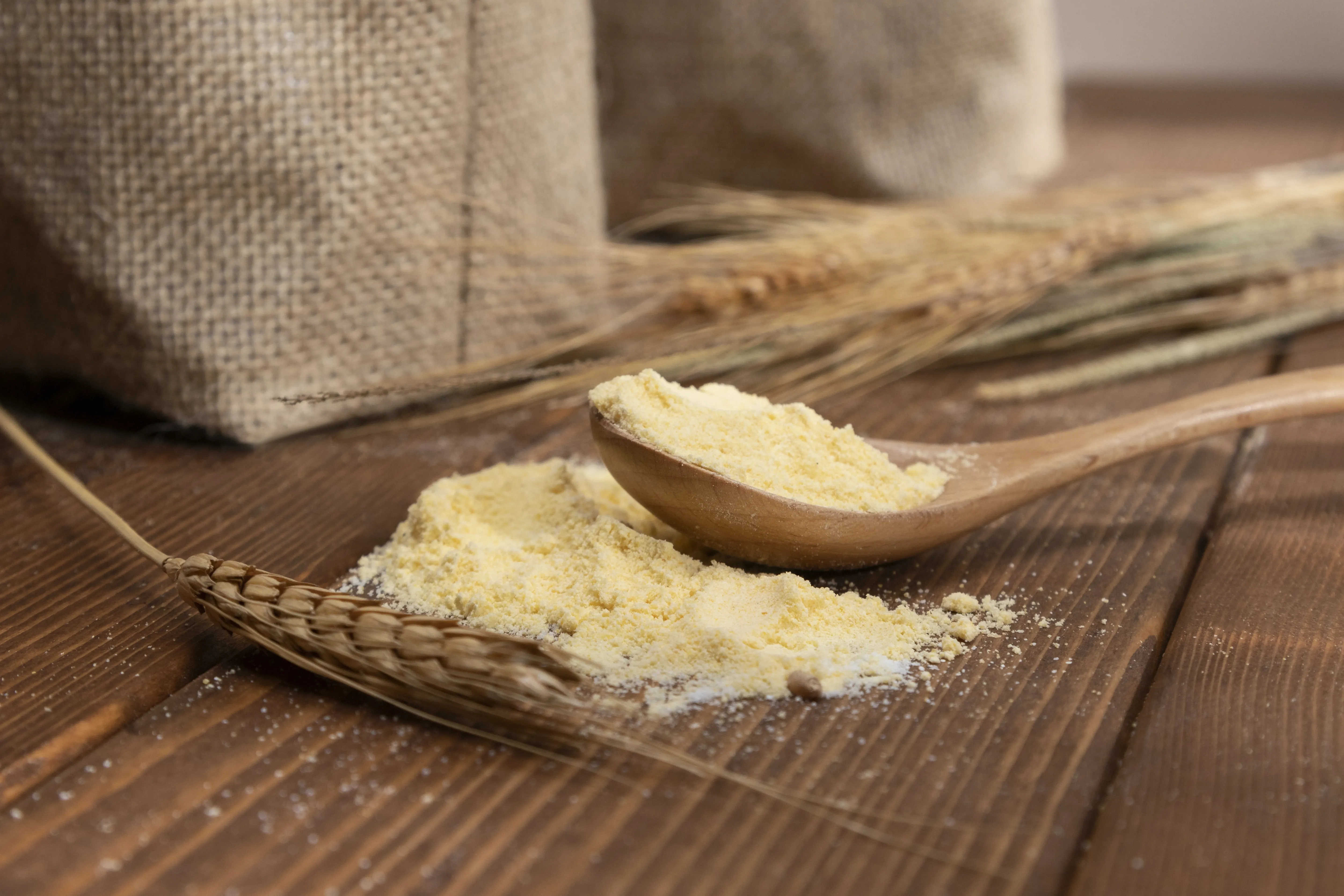
Semolina is made from durum wheat and processed into coarse, golden grains that develop a firm texture when cooked. In India, it is commonly known as suji or rava. Its versatility and texture make it a widely used ingredient in dishes such as idli, upma, halwa, laddoo, bhatura, and various bakery items.
While many people associate suji mainly with breakfast preparations, it can also be used in savoury dishes, desserts, and baked foods across different cuisines.
Nutritional Value of Semolina
The nutritional value of suji can vary depending on the quality of wheat and the milling process. However, its basic nutritional profile generally remains consistent. Suji contains moderate calories, carbohydrates for energy, and a reasonable amount of protein, making it a commonly used ingredient in balanced meal preparations.
Nutrient | Approximate Amount |
Energy | Moderate |
Carbohydrates | High |
Protein | Moderate to good amount |
Fibre | Low to moderate |
Minerals | Contains small amounts of iron and magnesium |
The exact nutritional composition of suji may vary depending on the wheat quality and processing method. Semolina
Disclaimer: All information mentioned in this blog is for informational and educational purposes only. For accurate medical guidance, consult a certified healthcare professional. SBI General Insurance is not responsible for any consequences resulting from reliance on the content provided.
Common Semolina Health Benefits
People often describe food based on how it makes them feel after eating it. Some foods are considered filling and energising, while others are preferred because they feel light and easy to digest. Many experience these health benefits of suji with its routine use in balanced meals and everyday food preparations.
- Steady energy for long hours.
- Gentle on the stomach for many people.
- Often included in small meals for children and older adults because it is easy to prepare and can be cooked into soft-textured dishes. Helps maintain fullness for some time due to the presence of moderate protein.
- Easy to pair with vegetables to create more balanced dishes.
Some families also look for suji health benefits when they want light meals during recovery. Not every person reacts the same; still, many find it comfortable for daily use.
Uses of Semolina Flour
Semolina is used in both traditional and modern recipes across many kitchens. Its firm texture helps dishes maintain their consistency and structure during cooking.
Common uses of suji include:
- Upma for quick breakfast meals
- Halwa for festive occasions or dessert preparations
- Idli and dosa batter mixes to improve texture
- Pasta, bread, and pizza bases in some recipes
- Coating for shallow frying to create a crisp outer layer
- Many people prefer suji because it cooks quickly and can be prepared with simple ingredients, making it suitable for busy daily routines.
People choose suji because it cooks fast and works with limited ingredients. It fits busy routines.
Storage Considerations for Semolina Flour
Suji generally remains stable when stored properly in clean and dry conditions. Many households prefer storing it in airtight steel or glass containers to help maintain freshness and reduce exposure to moisture. Since moisture can affect texture and shelf life, proper storage practices are important.
- Make sure the container you are using is dry.
- Close the lid tightly after usage.
- Use a dry spoon to avoid clumping.
- Store away from strong smells, as suji sometimes absorbs odour.
Some families keep small amounts in the fridge during the summer months to help reduce the chances of insect growth. Proper storage practices can help maintain freshness and preserve the texture and health benefits of suji over time, especially in humid conditions.
Who Should Be Cautious: Side Effects and Risks
Suji is usually gentle on the stomach, which is why many people turn to it for light meals. But it is not suited for everyone:
- Since it is made from wheat, those with gluten intolerance or celiac disease should avoid it altogether.
- For everyone else, the real difference lies in how it is prepared. A simple bowl of vegetable upma can be wholesome and filling, while something like sugary halwa or deep-fried suji snacks can quickly turn into a heavy, calorie-loaded treat.
- If you tend to overeat it or load it with sugar and ghee, it can quietly add extra calories and affect weight. Some people, especially those watching their blood sugar, may also notice spikes if portions are too large.
- Diabetic individuals need to be cautious about the quantity, as suji contains simple starch that can raise blood sugar levels if consumed in excess.
Nutritionally, suji gives you energy, a bit of protein and some minerals like iron and magnesium that support blood and heart health. But it should not be your only grain. Pair it with vegetables, dals or curd to make it more balanced and keep portions sensible.
Semolina Substitute
Although suji is widely used, some people choose alternatives based on taste preferences, dietary needs, or medical advice. Common substitutes include:
- Rice flour for soft textures.
- Oat flour for more fibre.
- Millet flour for gluten-free cooking.
- Cornmeal for a firmer texture.
The choice depends on cooking needs. Pasta may need durum semolina only, while idlis can be managed with rice or rava. Families experiment and pick what suits their meals.
How to Use Suji in a Healthy, Everyday Way?
Suji fits easily into everyday meals if you keep things simple. Think of a warm bowl of vegetable upma or a light porridge for breakfast, it is filling without being too heavy and gives steady energy through the morning.
To make it healthier, add plenty of vegetables for fibre and throw in some peanuts, seeds or a side of curd for protein. Even suji idlis or a quick cheela can work well when you want something light but satisfying.
One small habit that helps: dry roast the suji before cooking. It improves both taste and digestion. It is best to go easy on oil, sugar and salt.
At the end of the day, suji works best when it is part of a balanced plate, not the whole meal.
Semolina Nutrition Tips for Special Situations
If you are recovering from illness, a soft suji porridge can feel comforting and is easy to digest. If you are trying to lose weight, stick to savoury versions with vegetables. And if you have diabetes, keep portions small and combine suji with fibre-rich foods.
Best Time to Eat Suji
Suji is one of those foods that feels right in the morning. A simple breakfast like upma or porridge can keep you going for hours without making you feel sluggish. Many people prefer it as a go-to morning meal because it is light yet filling.
Having it earlier in the day also gives your body enough time to digest it well. Since it is mainly carbohydrates, eating large portions late at night may not be the best idea, especially if you are watching your weight or blood sugar.
That said, if dinner needs to be quick, a couple of plain suji idlis can still work. It is best to keep it light and avoid heavy add-ons.
Conclusion
Suji remains a staple in daily Indian cooking because it is easy to prepare, consistent, and comforting. It is often used in meals without much planning, making it convenient for families seeking simple yet nutritious food. The health benefits of suji may appeal to individuals looking for moderate and balanced nutrition in their daily diet. As with any ingredient, individuals with medical concerns should consult a doctor or a qualified health professional.
Additionally, a health insurance plan can provide support and protect families during unexpected health issues.
FAQs
1. Are the common suji benefits enough for daily use in simple meals?
Many people use suji daily for light dishes when they want steady energy and simple cooking.
2. Does semolina suit children and elders who eat soft food?
Yes, suji works well for soft dishes like porridge and upma that are easy to digest.
3. How much sooji protein helps in meals compared to wheat flour?
Suji contains a moderate amount of protein and develops a firm texture when cooked, making it suitable for a variety of filling meal preparations.
4. Is suji good for weight loss plans followed at home?
It may help when people control portions and mix it with vegetables for fullness.
5. Do the benefits of suji reduce if stored for long periods?
Storage issues affect freshness, so keeping it dry and sealed keeps the quality better.
6. Is suji good for your health?
Suji gives quick energy and has small amounts of protein, along with minerals like iron and magnesium. The key is how you cook it and how much you eat.
7. Is it okay to eat suji every day?
You can eat suji every day, but it is best not to depend on it alone. Mix things up with other grains and add vegetables and protein to keep your meals balanced.
8. Is suji healthier than rice?
It is neither better nor worse, just different. Suji may keep you full slightly longer in some dishes, but both can be healthy depending on portions and preparation.
9. Is suji high in protein?
Not really. It has some protein, but not enough on its own. Pair it with curd, dals or nuts to make it more nutritious.
10. Which are better, suji idlis or rice idlis?
Both are good in their own way. Suji idlis are quicker and slightly heavier, while rice idlis are softer and lighter. Go with what suits your taste and overall meal.
This blog is intended solely for educational and informational purposes. Content reflects data at time of publication and may not accurately reflect current premiums, terms, or regulations. Readers are encouraged to confirm the accuracy and relevance of the data before making any significant decisions. SBI General Insurance disclaims responsibility for any errors or consequences arising from the use of outdated information provided herein. For more details, please refer to the policy wordings and prospectus before concluding the sales. *Add-ons are subject to payment of additional premium.
Access and manage all your Insurance Needs in one place, right at your Fingertips.




4/5*
Access and manage all your Insurance Needs in one place, right at your Fingertips.



Vision
Our vision is to become the most trusted general insurer for a transforming India.
Mission
Our mission is to provide simple and innovative general insurance solutions, be responsive to our customers' needs and build a sustainable business for the future.
We're socially active!