


 Contact Us


 Other Insurance
Health Benefits of Sweet Corn (Makkai)
Date: Dec 11, 2025 - Last Modified May 20, 2026


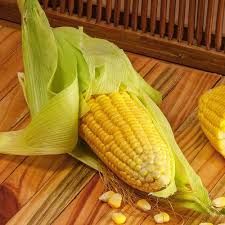
Sweet corn is a nutritious whole grain that contains fibre, vitamins, antioxidants, and carbohydrates that provide steady energy. Commonly enjoyed in many Indian households, it is consumed in different forms, from hot monsoon snacks to salad ingredients and everyday meal preparations. When eaten in moderation, the benefits of sweet corn may include digestive support, sustained energy, and nutrients that contribute to heart and eye health.
This blog explores the nutritional value of corn, its common culinary uses, and some important side effects of sweet corn to keep in mind.
Nutritional Value of Sweet Corn
Sweetcorn provides a mix of nutrients that support daily health. They also provide important vitamins that contribute to overall nutritional value when included as part of a balanced diet.
Here is a table that shows the nutritional value of sweet corn:
Nutrient | Role in the body |
Fibre | Supports digestion and regular movement |
Vitamin C | Helps repair tissue |
Vitamin B group | Helps convert food into energy |
Magnesium | Supports muscle and nerve work |
Antioxidant plant compounds | Helps reduce cell stress |
This mix gives the food a balanced feel. Some people ask, “Is sweet corn good for health?”, and these nutrients answer a part of that question. It is simply a steady source of energy with a gentle effect on the stomach.
Disclaimer: All information mentioned in this blog is for informational and educational purposes only. For accurate medical guidance, consult a certified healthcare professional. SBI General Insurance is not responsible for any consequences resulting from reliance on the content provided.
Popular Sweet Corn Health Benefits
Many people associate the health benefits of sweet corn with its regular inclusion in balanced meals. Nutrition experts and healthcare professionals often highlight the following commonly discussed benefits of sweet corn:
- May help individuals feel fuller for longer because of its fibre content
- Supports smoother digestion when included as part of a balanced diet
- Provides steady energy through its natural carbohydrates and starch content
- Contains plant-based protein that contributes to overall nutritional intake
- Includes antioxidants that help support normal cellular health
- The benefits of eating sweet corn for the skin are often linked to the antioxidants and vitamins naturally present in it.
Families who cook for children also like corn because it is easy to serve in small bowls. It does not feel heavy or oily.
Sweet Corn Uses: Recipes to Try
Sweetcorn fits perfectly in many home recipes. However, many do not know how versatile it is until they start adding it to simple plates.
Try these ideas for regular use.
● Light corn salad with cucumber, a bit of curd, and mild seasoning.
● Corn soup cooked with carrots, beans, and a pinch of pepper.
● Stir-fried corn with paneer pieces, often used in lunch boxes.
● Corn rice is a mild dish that caters to a wide range of tastes.
● Corn chaat pairs well with lemon and fresh coriander.
Some people also grind sweet corn into a paste and add it to cutlets or patties to improve texture and softness. This method can help bind ingredients together and is often preferred for quick meal preparations during busy mornings.
Common Sweet Corn Side Effects
Even when food is simple, some may feel a little trouble after eating it. Corn is usually safe. However, the following points must be noted:
- Individuals with a high sensitivity to fibres may experience mild bloating.
- Those with irritable bowel conditions should monitor their serving sizes.
- Some individuals may experience loose motions or digestive discomfort if sweet corn is consumed in very large portions.
- Rare allergies exist, though they are uncommon.
These issues appear only in a small group. For most people, sweet corn's health benefits outweigh the discomfort. The grain suits many age groups, as long as portions stay moderate.
Importance of Purchasing a Health Insurance Plan
Food supports health, but daily life also brings many uncertainties. Even with the best diet, sudden sickness or injury can strain finances. Check the health insurance plans and coverage at SBI General Insurance, and ensure financial protection during hospital stays, tests, and long-term treatments.
Many buy insurances after a health scare, though it is easier to purchase a policy early, when the person feels well. Insurance helps focus on recovery without stress about growing bills. That is the real value. It is safer to plan early rather than wait for a sudden event.
Additional Benefits of Eating Corn
- Corn is more than just a comfort snack. It offers a good mix of fibre, vitamins B and C and antioxidants that quietly support your daily health.
- The fibre helps keep digestion on track, while vitamins help your body stay active and your immunity strong.
- Antioxidants like lutein are known to be good for your eyes too. A simple bowl of boiled or steamed sweet corn in the evening can feel both light and satisfying.
- Over time, eating it in moderation may also support heart health.
Is Sweet Corn Good for Weight Loss?
Sweet corn can fit into a weight loss plan if you keep things simple. It is naturally low in fat and has fibre, which helps you feel full and avoid unnecessary snacking. Many people swap fried snacks for a bowl of steamed corn and find it quite filling. It also gives steady energy, so it works well before a workout. The catch is in how you prepare it - adding butter or cheese can quickly increase calories. Stick to plain or lightly seasoned versions and watch your portion size to stay on track.
Healthy Ways to Include Sweet Corn in Your Diet
It is easy to add sweet corn to your meals.
- You can toss some boiled corn into salads for a bit of crunch or add it to soups for a gentle sweetness.
- A warm cup of steamed corn with lemon and a pinch of salt makes a perfect quick snack.
- It also pairs nicely with wraps or sautéed vegetables. Keep it light and skip heavy toppings to enjoy its full nutritional value.
Best Time to Eat Sweet Corn
There is no set rule, but sweet corn is usually easier to enjoy during the day.
- A bowl in the mid-morning or evening works well when you are a little hungry.
- It also adds a nice crunch to lunch salads along with some fibre.
- Some people prefer it before a workout for steady energy.
- Eating it late at night, especially in larger portions, can feel slightly heavy.
Keeping your portion moderate helps your body digest it more comfortably.
Food supports health, but daily life also brings many uncertainties.
Importance of Health Insurance Along with A Balanced Diet
Even with the best diet, sudden sickness or injury can strain finances. Explore health insurance plans and coverage options at SBI General Insurance to ensure financial protection during hospital stays, tests, and long-term treatments.
Many people consider buying health insurance only after facing a medical emergency, although purchasing a policy earlier can often provide better financial preparedness. Health insurance can help individuals manage hospitalisation and treatment expenses more confidently, allowing them to focus on recovery instead of unexpected medical costs. Planning ahead may offer greater peace of mind than waiting for a sudden health-related situation.
Conclusion
Sweet corn provides steady nutrition with a naturally mild taste and can be included in a variety of meal preparations. Its versatility and nutrient content make it suitable for different dietary preferences and everyday nutritional needs. Benefits of sweet corn, like fibres, vitamins, and plant compounds, offer steady support for digestion, skin health, and energy.
Along with eating nutritious foods like sweet corn as part of a balanced diet, individuals can also explore health insurance solutions from SBI General Insurance to help stay financially prepared for medical and healthcare-related expenses.
Note: This article is for informational purposes only and is not medical advice. Consult a qualified healthcare professional for diagnosis or treatment decisions.
Frequently Asked Questions
1. Are the benefits of sweet corn strong enough for daily meals?
Many include sweetcorn as it gives fibre, energy, and mild nutrients without heavy oils or strong spices.
2. Can children eat sweet corn without trouble?
Children can normally digest sweetcorn well. However, it is best for parents to keep the portion small for younger kids learning how to chew properly.
3. Does sweet corn raise sugar levels very fast?
Sweetcorn has natural sugar, but it releases energy more slowly than many processed snacks. People with sugar concerns should ask their doctor.
4. Are there strong sweetcorn benefits for skin?
Some antioxidants in corn may support healthier skin over time, though results differ for each person based on lifestyle and diet.
5. Is it safe to eat corn during weight loss plans?
Yes, many incorporate corn in balanced diets, as it keeps them full. But they still monitor portions to stay on track.
6. Can I eat sweet corn every day?
Yes, you can, just keep the portion moderate. It is nutritious, but variety in your diet still matters.
7. Is sweet corn a good or bad carb?
It is generally a good carb. It gives you energy and comes with fibre, unlike processed carbs.
8. Is roasted corn good for BP patients?
It can be, as long as you go easy on salt and skip butter. Simple roasting is a better option.
9. Who should not eat sweet corn?
Those with sensitive digestion or on strict low-carb diets may need to limit it. When in doubt, check with a doctor.
10. Can diabetics eat corn?
Yes, but in small portions. It is better to choose boiled or steamed corn and keep an eye on blood sugar levels.
This blog is intended solely for educational and informational purposes. Content reflects data at time of publication and may not accurately reflect current premiums, terms, or regulations. Readers are encouraged to confirm the accuracy and relevance of the data before making any significant decisions. SBI General Insurance disclaims responsibility for any errors or consequences arising from the use of outdated information provided herein. For more details, please refer to the policy wordings and prospectus before concluding the sales. *Add-ons are subject to payment of additional premium.
Access and manage all your Insurance Needs in one place, right at your Fingertips.



4/5*
Access and manage all your Insurance Needs in one place, right at your Fingertips.


Vision
Our vision is to become the most trusted general insurer for a transforming India.
Mission
Our mission is to provide simple and innovative general insurance solutions, be responsive to our customers' needs and build a sustainable business for the future.
We're socially active!