


 Contact Us


 Other Insurance
Understanding the Difference between Health Insurance and Critical Illness Plans
Date: Feb 5, 2026 - Last Modified Feb 5, 2026


With rising healthcare expenses, health insurance is no longer optional in 2026. In addition to health insurance, it is crucial to have access to critical illness coverage, too.
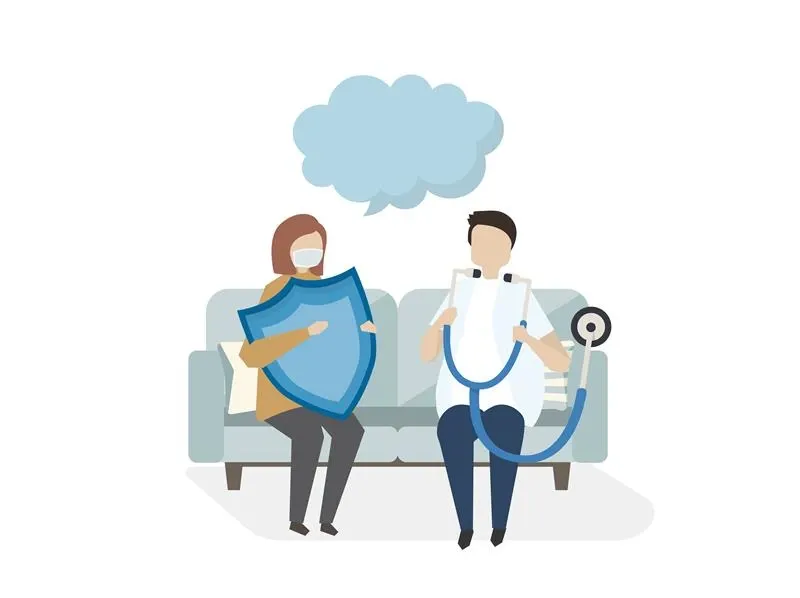
Health insurance and critical illness plans both protect your finances against health-related risks, but they do so in very different ways. A health insurance cover takes care of in-patient hospitalisation costs, medical procedures, and related expenses on a reimbursement or cashless basis. A critical illness plan, by contrast, pays a lump-sum benefit if you are diagnosed with a specific serious condition listed in the policy (such as cancer, heart attack, or stroke).
Understanding these distinctions is important to help you choose the right mix of cover.
What is Health Insurance?
A health insurance policy covers the costs incurred when a person stays at a medical centre. It works on a system where the insurance company pays (either upfront or as reimbursement) the money spent on treatment and room rent.
- It covers the cost of staying in a hospital.
- It pays for medicines and tests done during the treatment.
- It often includes fees for the surgeon and the cost of the operating room.
- The coverage can differ from plan to plan.
This coverage allows a patient to focus on getting better without worrying about the final invoice. It is a fundamental part of any financial plan in today's world.
What is Critical Illness Insurance?
Critical illness insurance pays a tax-free lump sum if you’re diagnosed with one of the serious conditions listed in the policy. If you are wondering, ‘critical illness insurance what does it cover?’ the list of diseases covered include cancer, heart attack, stroke, and organ failure.
- The benefit lets you cover costs that standard health insurance may not fully address.
- The policyholder will receive the payout if the terms and conditions are met.
- Policies differ by covered conditions, survival period, exclusions, and claim definitions. So, compare the disease list, waiting periods, and payout terms to ensure meaningful financial protection.
Difference between Health Insurance and Critical Illness Insurance
While a standard plan pays for bills, a critical care insurance plan provides a single large payment. This money helps when a person cannot go to work because of a major health issue.
| Feature Name | General Health Insurance | Critical Illness Plan |
| Main Function | Pays for hospital expenses | Provides a lump sum amount |
| Claim Basis | Based on actual bills | Based on the diagnosis |
| Payment Type | Cashless or money back | One-time fixed payment |
| Coverage Area | Most illnesses and accidents | Only specific major diseases |
As the table indicates, a general plan covers hospital expenses. In contrast, a critical illness plan helps with the costs outside the hospital. It answers the question: critical illness insurance – what does it cover? It covers things like home nursing or paying off a house loan while the person recovers. Having both plans creates a strong shield for the future of a family.
Steps to File a Medical Insurance Claim
The way a person gets their money depends on the type of policy they hold. The steps are different for each one.
Health Insurance Claim Steps
For a general health insurance cover, the process is usually direct.
- Inform the company before or during the hospital stay.
- Use a network hospital to get a cashless service.
If using a different hospital, keep all original bills for later. - Submit the discharge summary and test reports to the company.
Critical Illness Claim Steps
The process for a critical care insurance claim is simpler but requires specific proof.
- Send the medical report that shows the diagnosis to the company.
- Wait for the company to check if the illness is on the list.
- Complete the survival period, which is usually thirty days.
- Receive the full payment in the bank account once the verification is over.
Choosing the Right Protection for the Future
No single plan is superior, as each one serves a different purpose. A general plan is for regular health needs. A critical illness plan is for life-changing events like a stroke or heart complications. For a person who wants the best safety, a mix of both is the right path.
Conclusion
Medical safety is a priority for every responsible individual. While health insurance handles the bills, critical illness cover protects the long-term goals of a person. Choosing a trusted name like SBI General Insurance to meet your health coverage needs allows you to enjoy 360° financial protection. Protect your and your loved ones’ future by visiting the SBIG website and finding suitable health insurance coverage today.
Frequently Asked Questions
1: Is there a tax benefit for these policies?
Yes, the money spent on premiums for both types of plans can reduce your tax liability.
2: Which diseases does a critical illness plan cover?
It covers major issues like cancer, kidney failure, and heart attacks. The full list can be found in the policy wordings.
3: Is a medical check necessary before buying?
For older people or high cover amounts, a medical check-up might be necessary. This helps the company set the right premium.
4: What are the entry and exit ages?
Entry age is when a person can first join the plan. The exit age is when the company might stop the coverage, though many now offer it for life.
5: Can a person with diabetes get a policy?
Yes. However, such plans come with several terms and conditions.
This blog is intended solely for educational and informational purposes. Content reflects data at time of publication and may not accurately reflect current premiums, terms, or regulations. Readers are encouraged to confirm the accuracy and relevance of the data before making any significant decisions. SBI General Insurance disclaims responsibility for any errors or consequences arising from the use of outdated information provided herein. For more details, please refer to the policy wordings and prospectus before concluding the sales. *Add-ons are subject to payment of additional premium.
Access and manage all your Insurance Needs in one place, right at your Fingertips.



4/5*
Access and manage all your Insurance Needs in one place, right at your Fingertips.


Vision
Our vision is to become the most trusted general insurer for a transforming India.
Mission
Our mission is to provide simple and innovative general insurance solutions, be responsive to our customers' needs and build a sustainable business for the future.
We're socially active!