

 Contact Us


 Other Insurance
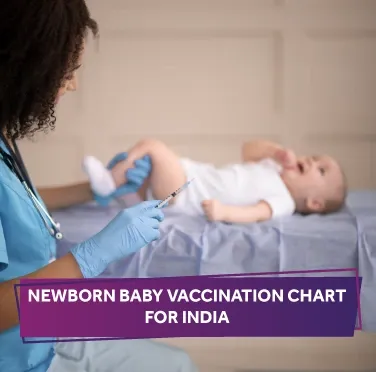
Newborn Baby Vaccination Chart for India
Date: Dec 5, 2024 - Last Modified Mar 24, 2026


Vaccination is one of the strongest preventive measures in modern healthcare against killer diseases that can claim the lives of newborns. India's newborn vaccination schedule has been adapted to provide prompt vaccinations that shield newborns from a variety of infectious diseases.
This article will go over the most recent immunization schedule, taking into account the advantages of each shot, as well as the newborn vaccination cost, timing, side effects, and locations for vaccination. Parents can prevent serious illnesses in their children by making sure they receive their immunisations on schedule through the national immunization program.
Why is Vaccination Important?
Vaccination plays a crucial role in preventing the spread of infectious diseases and ensuring the health of newborns. Here’s why it's essential:
Protection Against Serious Diseases:
Vaccines protect children from serious illnesses like polio, measles, and diphtheria, preventing severe health complications or death. Following the newborn vaccine schedule in India greatly reduces these risks.
Herd Immunity:
Vaccination safeguards not only individuals but the community by creating herd immunity, and protecting those who cannot be vaccinated.
Prevention of Disease Resurgence:
Low vaccination rates can cause diseases like measles to resurface, emphasizing the need to stick to the immunization chart in India.
Economic Benefits:
Vaccines prevent costly treatments, easing financial strain on families.
Safety and Lifelong Protection:
Vaccines are thoroughly tested for safety and offer long-term immunity, outweighing the risks of potential side effects.
National Immunization Program in India
The National Immunization Program (NIP) in India, also known as the Universal Immunization Programme (UIP), aims to vaccinate children and pregnant women against several life-threatening diseases.
Objectives:
- Protect against vaccine-preventable diseases.
- Achieve high immunization coverage across all regions, especially rural areas.
- Reduce mortality and morbidity rates.
The UIP offers free vaccines for diseases like tuberculosis, polio, measles, and hepatitis B. It also addresses more recent health concerns with vaccinations for pneumonia and rotavirus-induced diarrhea.
Also Read: How Can Parents Ensure Their Child’s Health?
Children’s Vaccination Schedule in India
| Age | Vaccine | Dose | Route |
| Birth (0-72 hours) | BCG | 0.05 mL | Intradermal |
| Hepatitis B (Birth dose) | 0.5 mL | Intramuscular | |
| Oral Polio Vaccine (OPV-0) | 2 drops | Oral | |
| 6 weeks | DTwP/DTaP (1st dose) | 0.5 mL | Intramuscular |
| Hib (1st dose) | 0.5 mL | Intramuscular | |
| IPV (1st dose) | 0.5 mL | Intramuscular | |
| Hepatitis B (2nd dose) | 0.5 mL | Intramuscular | |
| PCV (1st dose) | 0.5 mL | Intramuscular | |
| Rotavirus (1st dose) | 2-3 mL | Oral | |
| 10 weeks | DTwP/DTaP (2nd dose) | 0.5 mL | Intramuscular |
| Hib (2nd dose) | 0.5 mL | Intramuscular | |
| IPV (2nd dose) | 0.5 mL | Intramuscular | |
| Hepatitis B (3rd dose) | 0.5 mL | Intramuscular | |
| PCV (2nd dose) | 0.5 mL | Intramuscular | |
| Rotavirus (2nd dose) | 2-3 mL | Oral | |
| 14 weeks | DTwP/DTaP (3rd dose) | 0.5 mL | Intramuscular |
| Hib (3rd dose) | 0.5 mL | Intramuscular | |
| IPV (3rd dose) | 0.5 mL | Intramuscular | |
| Hepatitis B (4th dose) | 0.5 mL | Intramuscular | |
| PCV (3rd dose) | 0.5 mL | Intramuscular | |
| Rotavirus (3rd dose) | 2-3 mL | Oral | |
| 9-12 months | Measles-Rubella Vaccine (MR-1) | 0.5 mL | Subcutaneous |
| Japanese Encephalitis Vaccine (JE-1, in endemic areas) | 0.5 mL | Intramuscular | |
| Vitamin A | 1 ml | Oral | |
| 12 months | Hepatitis A | 0.5 mL | Intramuscular |
| PCV Booster | 0.5 mL | Intramuscular | |
| 15 months | Measles-Rubella Vaccine (MR-2) | 0.5 mL | Subcutaneous |
| Varicella | 0.5 mL | Subcutaneous | |
| 16-18 months | DTP Booster | 0.5 mL | Intramuscular |
| OPV Booster | 2 drops | Oral | |
| 4-6 years | DTwP/DTaP, MMR, Varicella | As per schedule | - |
| - HPV Vaccine for girls | - | - |
Side Effects of Vaccines and How to Manage Them
While vaccines are generally safe, they can cause mild side effects. Understanding these reactions helps parents manage them effectively.
Common Side Effects:
Injection site reactions:
Redness, swelling, or pain.
Systemic reactions:
Mild fever, fatigue, headache, or muscle aches.
Specific vaccine reactions:
- DTaP may cause fussiness and fever.
- MMR might lead to fever or a mild rash a week after the shot.
- Rotavirus vaccine can rarely cause intussusception (a type of bowel obstruction).
Rare Side Effects:
Anaphylaxis:
A severe allergic reaction that occurs within minutes of vaccination. It requires immediate medical attention.
Seizures:
High fever may trigger febrile seizures in some children.
Managing Side Effects:
- Keep the child hydrated and well-rested.
- For severe reactions like difficulty breathing or intense swelling, seek immediate medical care.
- Use reliable medications like paracetamol for fever.
Where to Get Vaccines in India?
Vaccinations can be obtained at both public and private healthcare facilities.
| Type of Vaccination | Facility | Cost |
| Free Vaccines | Government hospitals/clinics | Free under the National Immunization Program |
| Paid Vaccines (Private) | Private hospitals/clinics | Varies (Rs. 500 to Rs. 3000 depending on the vaccine) |
In private healthcare settings, parents may refer to a private vaccination chart for additional vaccines not included in the government program, such as pneumococcal conjugate vaccines (PCV) or newer vaccines for dengue and influenza.
Free Vaccines and Paid Vaccines for Children in India
Here is a comparison of free vaccines and paid vaccines available for children in India:
| Type of Vaccine | Vaccine Name | Cost | Notes |
| Free Vaccines | BCG (Bacillus Calmette-Guérin) | Free | Given at birth to protect against tuberculosis. |
| Hepatitis B | Free | First dose at birth, followed by doses at 6 and 14 weeks. | |
| Polio (OPV) | Free | Administered at birth and additional doses at 6, 10, and 14 weeks. | |
| Pentavalent Vaccine | Free | Combines Diphtheria, Pertussis, Tetanus, Hepatitis B, and Hib; given at 6, 10, and 14 weeks. | |
| Rotavirus Vaccine | Free | Oral vaccine is given at 6 and 14 weeks to protect against severe diarrhea. | |
| Pneumococcal Conjugate Vaccine | Free | Given at 6, 10, and 14 weeks to prevent pneumonia and meningitis. | |
| Measles-Rubella (MR) Vaccine | Free | Administered between 9-12 months of age. | |
| Typhoid Vaccine | Free (State Fund) | Available in some states as part of routine immunization. | |
| Paid Vaccines | Varicella (Chickenpox) | Paid | Protects against chickenpox; typically given after the first year. |
| Influenza Vaccine | Paid | Recommended annually for children over 6 months old. | |
| Meningococcal Vaccine | Paid | Protects against meningitis; often recommended for older children. | |
| HPV Vaccine | Paid | Recommended for preteens and teens to prevent human papillomavirus infections. |
Conclusion
Following the newborn vaccine schedule is crucial to protect your child from life-threatening diseases. Vaccination not only protects your baby but also contributes to the health of the community through herd immunity. As vaccines can be costly in private facilities, investing in health insurance for children is a wise choice. SBI General Health Insurance offers excellent coverage, including vaccinations, ensuring that your child’s health needs are fully met without financial worries.
Frequently Asked Questions
Q1. What happens if vaccination is delayed for a baby?
If delayed, the baby remains vulnerable to diseases. It’s important to catch up as soon as possible, following the guidance of a paediatrician.
Q2. What is the first vaccine for a newborn?
The first vaccines typically given at birth include BCG, Oral Polio Vaccine (OPV), and Hepatitis B.
Q3. When to give the BCG vaccine for a newborn?
The BCG vaccine is usually administered at birth or soon after to protect against tuberculosis.
Disclaimer: The above information is indicative in nature. For more details on the risk factor, terms and conditions, please refer to the Sales Brochure and Policy Wordings carefully before concluding a sale.
This blog is intended solely for educational and informational purposes. Content reflects data at time of publication and may not accurately reflect current premiums, terms, or regulations. Readers are encouraged to confirm the accuracy and relevance of the data before making any significant decisions. SBI General Insurance disclaims responsibility for any errors or consequences arising from the use of outdated information provided herein. For more details, please refer to the policy wordings and prospectus before concluding the sales. *Add-ons are subject to payment of additional premium.
Access and manage all your Insurance Needs in one place, right at your Fingertips.



4/5*
Access and manage all your Insurance Needs in one place, right at your Fingertips.


Vision
Our vision is to become the most trusted general insurer for a transforming India.
Mission
Our mission is to provide simple and innovative general insurance solutions, be responsive to our customers' needs and build a sustainable business for the future.
We're socially active!