


 Contact Us

 Other Insurance
Rising Health Challenges in India: A Wake-Up Call for Preventive Care

Date: Dec 1, 2025 - Last Modified Dec 3, 2025


The health issues in India are severe. Recent statistics indicate that there are close to 90 million adults with diabetes, and India has one of the highest populations of diabetic patients in the world. Heart disease is the number one cause of death in adults. The other silent problem is fatty liver disease, which is found in approximately 65 per cent of individuals who are examined. These issues are rapidly increasing because of the changing urban lifestyles, such as a poor diet and reduced physical exercise. A lot of individuals fall ill without any prior warning.
India’s Health Transition
Diseases can be prevented in their early stages by preventive care like basic checkups of health and good habits like balanced diets and exercise, which help keep the family healthy. This is a wake-up call on health, and there is a need to be aware and take early measures to enhance the future health of India.
India is transforming into new diseases, such as diabetes and heart disease as opposed to the old diseases, such as infections. TB has decreased by 21% since 2015, though India still has 25 per cent of the cases in the world. The proportion of non-communicable diseases (NCDs) now causes 63-65% of all deaths compared to 38% in 1990. Sedentary jobs in an urban setting cause individual to sit and become fat. Obesity in urban areas is caused by processed foods such as chips and sodas. It is projected that the ageing population will hit 11 per cent in the next five years (2025) and require increased attention. In rural regions, there are no hospital beds and nurses, and there is only 1 doctor per 1,456 inhabitants. The preventive measures, such as annual checkups, identify the issues prior to the overcrowding of hospitals.
Low Scientific Temperament - Ignorance is not Bliss
Old beliefs take the place of science in many Indians. They do not believe in doctor tests, but home cures. This postpones treatment of silent murders, such as high sugar or fatty liver. 46% have silent heart dangers. Lack of knowledge increases expenditures and fatalities. Heart attacks strike Indians a decade earlier. Learn facts. Get blood tests yearly. Eat home food. Walk daily. Knowledge saves lives.
Vaccines and checks are blocked by superstitions. Nutrition is disregarded by rural folks. Cities chase fast food. Schools teach science early. Families talk about health openly.
Clarity from Community Connections
Health tips are best shared in villages. Neighbors monitor such early signs as fatigue or weight gain. Free check-up camps are conducted by community groups. ASHA employees educate mothers on a healthy diet and hygiene. Doctors' advice is shared on WhatsApp groups. Free blood pressure and sugar screening at local events. Such intimate bonds establish confidence in preventive care.
In urban areas, apartments create walking groups and yoga classes are provided in temples. Good community relationships ensure that it is easy and enjoyable to be healthy. Such relationships prevent illness stigma. Friends help one another in their diets, and families prepare healthy food together. Issues such as diabetes among children are witnessed in this network.
Powering India’s Healthcare System
Preventive care is highly enhanced by technology in India. Health apps assist individuals in monitoring daily steps, blood pressure, and sugar levels without any difficulties. Remote consultation and tele-doctors are now able to travel to remote villages, eliminating the problem of doctor shortage and wasting time on travel. Ayushman Bharat scheme by the government insures 55 crore poor individuals with up to 5 lakhs, and thus, hospital care is affordable.
A lot of the privately-owned companies incorporate early diagnosis machines. More Primary Health Centres (PHCs) are constructed by the government, and more nurses are trained to address the increasing health demands. These measures prevent diseases at a tender age, which saves money and prevents huge hospital bills. Health workers can be trained to provide quality care at all levels.
Conclusion
Rising health challenges demand action. Preventive care turns a wake-up call into a strong India. Check sugar, walk, eat greens. Families stay fit together. Start today for tomorrow's health.
Questions and Answers on Preventive Care
Is ignorance really harmful to health?
Yes, it hides risks like fatty liver in 65% of people.
Why does community help matter?
Groups spot signs early and build healthy habits.
How tech powers prevention?
Apps track health and connect to doctors fast.
Disclaimer
Disclaimer: All information mentioned in this blog is for informational and educational purposes only. For accurate medical guidance, consult a certified healthcare professional. SBI General Insurance is not responsible for any consequences resulting from reliance on the content provided.
This blog is intended solely for educational and informational purposes. Content reflects data at time of publication and may not accurately reflect current premiums, terms, or regulations. Readers are encouraged to confirm the accuracy and relevance of the data before making any significant decisions. SBI General Insurance disclaims responsibility for any errors or consequences arising from the use of outdated information provided herein. For more details, please refer to the policy wordings and prospectus before concluding the sales. *Add-ons are subject to payment of additional premium.
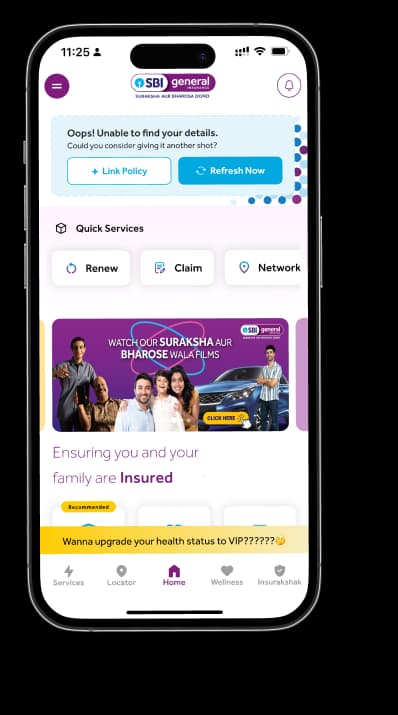
Access and manage all your Insurance Needs in one place, right at your Fingertips.



4/5*
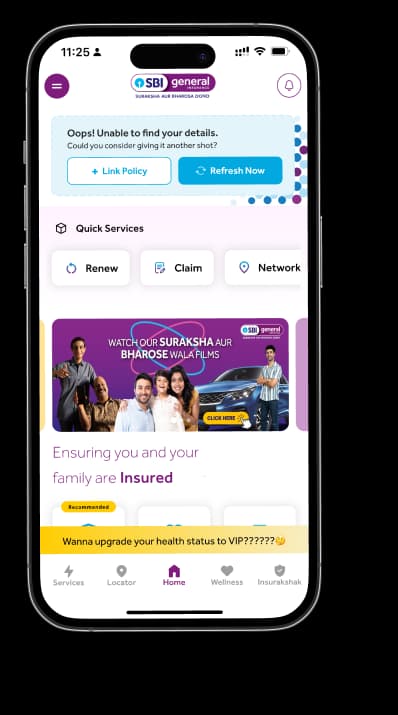
Access and manage all your Insurance Needs in one place, right at your Fingertips.


Vision
Our vision is to become the most trusted general insurer for a transforming India.
Mission
Our mission is to provide simple and innovative general insurance solutions, be responsive to our customers' needs and build a sustainable business for the future.
We're socially active!