


 Contact Us


 Other Insurance
Stay Active: 4 Posture Fixes for a Sedentary Lifestyle

Date: Dec 14, 2019 - Last Modified Apr 15, 2025


Over the years, as we have adopted a more sedentary lifestyle, spending long hours in the office staring at a computer, speaking on the phone or when at home, sitting on a couch surfing television channels, it has led to back issues owing to bad postures apart from an increased risk of several other serious lifestyle diseases.
A bad posture often becomes a habit, leading to chronic back and neck pain as well as other spinal problems, including long-term damage. The good news is that improving postures and ergonomics is not very hard. Some simple tips include:
Keep the body aligned while sitting and standing – distribute your weight evenly while standing or sitting. Sit or stand straight without slouching, with the ears, hips and shoulders aligned in a straight line. These days, most office chairs are ergonomically designed, but prolonged sitting can still be tiring, so changing of position between leaning against the back of the chair and sitting straight can ease back muscles.
Sitting on a balance ball is a good exercise for a balanced posture.
Related Blog: What are the Health Risks of an Inactive Lifestyle?
Get up and move frequently – Sitting for prolonged periods tire the back muscles, further leading to a poor posture, and putting extra pressure on the back and neck. It is therefore advisable to take a break, and stand up, stretch and walk at frequent intervals.
Use posture-friendly aids and ergonomic office chairs - Using ergonomic office chairs and aids that support the back, such as footrests, back supports, or even a towel or small pillow can ease back muscles, providing the necessary support. Similarly, you should use purses and bags that cause minimal back strain. Computer screen at the right height will prevent straining of the neck.
Exercise regularly - Regular exercise such as walking, swimming, or bicycling help the body stay fit, while specific strengthening exercises help the muscles around the back stay strong.
Wear proper footwear - Avoid high-heeled shoes as they put increased pressure on the back.
Also Read: The Impact of Lifestyle Aspects on Your Health Insurance Coverage
Simply following these simple tips could go a long way in preventing back trouble, and a healthier life.
This blog is intended solely for educational and informational purposes. Content reflects data at time of publication and may not accurately reflect current premiums, terms, or regulations. Readers are encouraged to confirm the accuracy and relevance of the data before making any significant decisions. SBI General Insurance disclaims responsibility for any errors or consequences arising from the use of outdated information provided herein. For more details, please refer to the policy wordings and prospectus before concluding the sales. *Add-ons are subject to payment of additional premium.
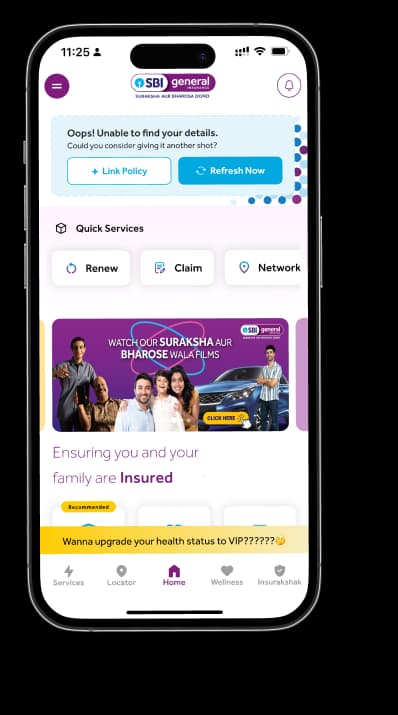
Access and manage all your Insurance Needs in one place, right at your Fingertips.



4/5*
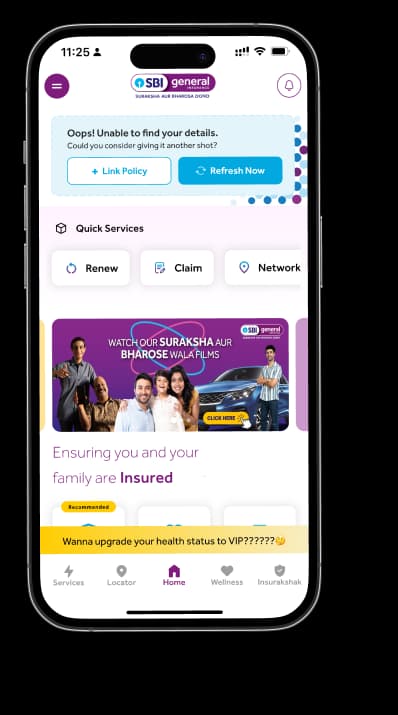
Access and manage all your Insurance Needs in one place, right at your Fingertips.


Vision
Our vision is to become the most trusted general insurer for a transforming India.
Mission
Our mission is to provide simple and innovative general insurance solutions, be responsive to our customers' needs and build a sustainable business for the future.
We're socially active!