


 Contact Us


 Other Insurance
Things to Know Before You Get a Tattoo
Date: Jan 25, 2023 - Last Modified Jan 25, 2023


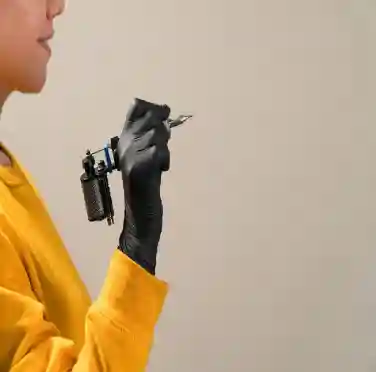
A tattoo is a permanent design or mark on your skin. These marks are created via pigments inserted in the skin’s top layer through needles. Tattoo artists use hand–held machines resembling a drill to create the design. The device comprises one or more needles that repeatedly pierce the skin, with a tiny droplet of ink with each puncture. If you are contemplating getting a tattoo to express yourself, consider our list of things to know before getting a tattoo.
Here’s everything you need to know before getting a tattooBelow are some things you should be prepared to handle if you’ve decided to get a tattoo.
- Tattoos can cause bleeding
Tattoos are typically carved without anaesthetics, and often cause a small amount of bleeding. They also breach your skin, leaving it vulnerable to skin infections and several other complications.
- Tattoos can cause allergic reactions
The most common side–effect of getting a tattoo is that it can cause allergic reactions to your skin. This is especially true if you opt for coloured tattoo dyes, which can cause itchy rashes at the tattoo site. The reaction may occur immediately or several years later as well.
- Tattoos could weaken your immune system
Getting a tattoo can be a stressful experience for your body. This, in turn, weakens your immune system, and you could most likely catch a cold after getting the tattoo.
- Tattoos may cause bloodborne ailments
Perhaps the most crucial thing to know before getting a tattoo is that they can enhance your risks of contracting bloodborne illnesses. If the tattoo carving equipment is contaminated with infected blood, it can cause hepatitis B and C, HIV, and viral infections like warts and molluscum. The risks of bloodborne diseases increase if tattoo artists perform the procedure with unsterile equipment or hands.
- Tattoos can cause complications during MRI screenings
Although it is rare, tattoo piercings can cause the site of the tattoo to burn or swell during a magnetic resonance imaging (MRI) examination. The pigments of the tattoo may also interfere with the image quality.
If you decide to go ahead despite the risks, remember these things to do before getting a tattoo.
- Discuss your pre–existing health conditions (if any) with your doctor before getting a tattoo.
- Ensure you get a tattoo at a licensed studio that follows all equipment safety precautions.
- Enquire about the safety measures like needle disposal, ink usage, etc., followed by the tattoo artist.
- Avoid alcohol for 24 hours before and after the procedure, and keep yourself hydrated on the day of getting the tattoo.
- Eat a proper meal to reduce your risk of feeling hungry or fainting during the procedure.
While a tattoo is a form of expressing yourself, a health insurance policy is a way to protect yourself from medical expenses. In case the health complications of the tattoo are severe, you can use your health insurance policy to manage the hospitalisation and treatment costs.
Disclaimer: The above information is indicative in nature. For more details on the risk factor, terms and conditions, please refer to the Sales Brochure and Policy Wordings carefully before concluding a sale.This blog is intended solely for educational and informational purposes. Content reflects data at time of publication and may not accurately reflect current premiums, terms, or regulations. Readers are encouraged to confirm the accuracy and relevance of the data before making any significant decisions. SBI General Insurance disclaims responsibility for any errors or consequences arising from the use of outdated information provided herein. For more details, please refer to the policy wordings and prospectus before concluding the sales. *Add-ons are subject to payment of additional premium.
Access and manage all your Insurance Needs in one place, right at your Fingertips.



4/5*
Access and manage all your Insurance Needs in one place, right at your Fingertips.


Vision
Our vision is to become the most trusted general insurer for a transforming India.
Mission
Our mission is to provide simple and innovative general insurance solutions, be responsive to our customers' needs and build a sustainable business for the future.
We're socially active!