


 Contact Us



 Other Insurance
Diwali Burns and Accidental Injuries: What Can Health Insurance Cover?
Date: Nov 19, 2026 - Last Modified Nov 19, 2026


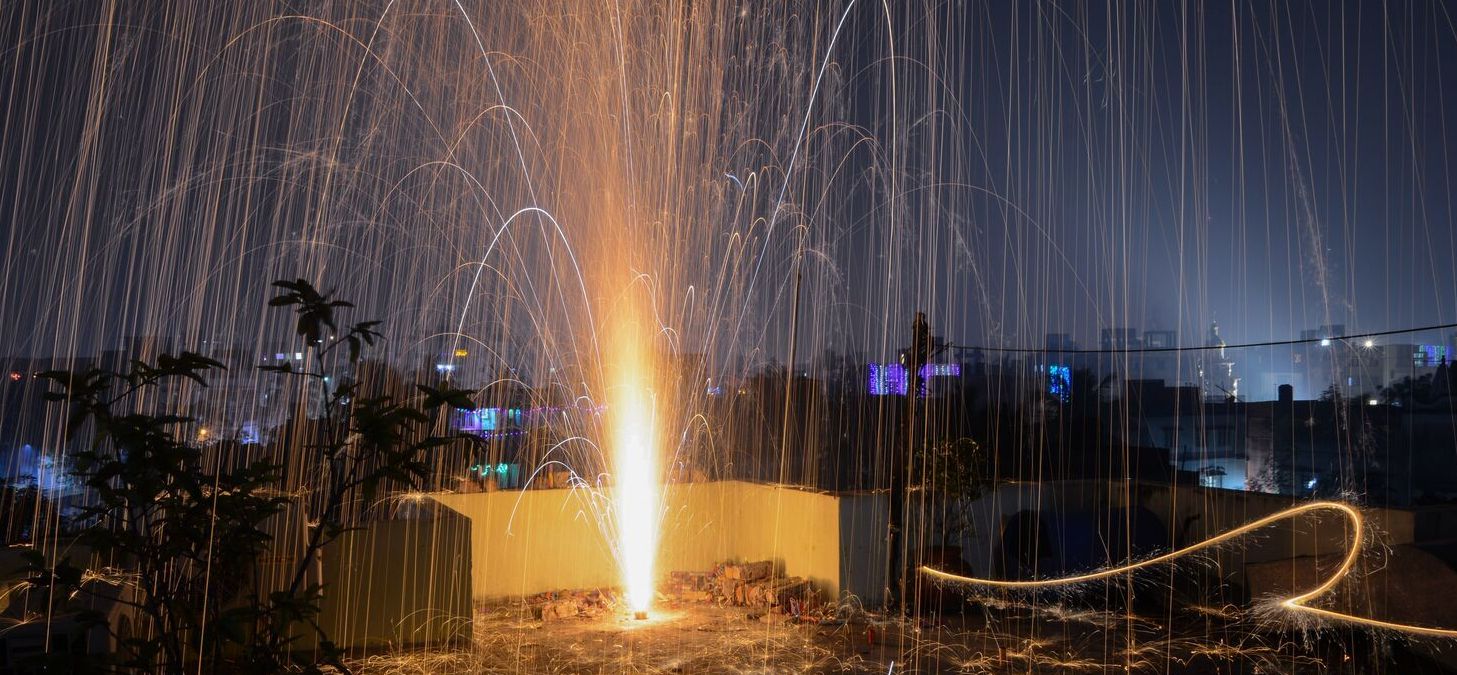
Diwali is all about spending time with family, decorating the house, preparing festive treats and lighting up the evening with diyas and fireworks. But with so much happening around us, accidents can sometimes occur. Someone might accidentally burn their hand while cooking, get injured while lighting a firecracker or slip while putting up decorations. The good news is that health insurance in India can cover burn injuries and other accidental injuries, provided the treatment is covered under your policy's terms and conditions.
While some injuries can be treated at home or with a quick visit to the doctor, others could require hospitalisation. In such situations, having health insurance can help you manage medical expenses. But does health insurance cover every accidental injury? And when might you need personal accident cover instead? Let's understand what your insurance may cover and what you should keep in mind during the festive season.
Does Health Insurance Cover Diwali Burns
Yes, health insurance can cover burn injuries. However, it largely depends on how serious the injury is and the treatment required. Not every burn needs hospitalisation. Some can be treated with a quick visit to the doctor, while others may require more extensive medical care. The difference matters when it comes to what your health insurance policy will cover.
Let's understand this with two simple examples:
A minor burn: Imagine accidentally touching a hot pan while preparing Diwali sweets. You visit a nearby clinic, get the burn dressed, pick up some medicines and head home. Since you haven't been admitted to a hospital, this is generally considered outpatient (OPD) treatment. Such expenses are usually covered only if your policy includes an applicable OPD benefit.
A more serious burn: Now, imagine a family member getting injured while lighting a firecracker. The burns are serious enough to require hospitalisation, wound care or surgery. In this situation, health insurance can help cover eligible hospitalisation expenses, depending on the policy's terms and conditions.
So, how can SBI General Insurance help?
SBI General Health Alpha by SBI General Insurance offers coverage for eligible medical expenses when you select its Hospitalisation Cover. You can choose Hospitalisation Cover, Personal Accident Cover or both, depending on your requirements.
Similarly, Super Health Insurance covers eligible inpatient and day-care treatments. However, OPD expenses under these policies depend on the benefits available, the plan selected and the applicable policy conditions.
What Medical Expenses Can Health Insurance Cover for Diwali-Related Injuries
Every injury cannot be managed with a first-aid kit. A serious burn or an accidental injury may require a visit to the hospital, where treatment could involve anything from diagnostic tests and medication to specialist care or surgery. Depending on the treatment needed, medical bills can add up quickly.
The good news is that SBI General Insurance's health insurance plans can help cover such hospitalisation expenses, depending on the policy you choose. These may include:
Room and ICU charges: The cost of a hospital room, nursing care or intensive care, within the limits of your policy.
Doctors' fees and treatment costs: Expenses for consultations during hospitalisation, surgery, anaesthesia and prescribed medicines.
Tests and medical supplies: Diagnostic tests, wound dressings and other eligible medical supplies needed during treatment.
Pre- and post-hospitalisation expenses: Medical expenses incurred before admission or after discharge, provided they are related to an admissible hospitalisation claim.
Road ambulance charges: The cost of ambulance services, if the benefit is included in your policy.
However, just because you've visited a hospital doesn't necessarily mean the treatment qualifies for hospitalisation coverage. Generally, inpatient treatment requires a medically necessary stay of at least 24 hours. Certain day-care procedures, however, can be completed in less time and may still be covered. A quick emergency-room visit or a routine dressing may not qualify unless your policy provides a relevant benefit.
And while knowing what your insurance covers is helpful, getting the right medical attention should always come first. If someone is seriously injured during the celebrations, focus on getting them treated. The insurance formalities can be handled alongside treatment, once immediate medical needs are addressed.
What if the Injury Only Needs Outpatient Treatment
Certain injuries may not require a hospital stay. For instance, if you suffer a minor burn while preparing Diwali sweets, a visit to the doctor, some medication and a dressing may be all you need. Such treatments are considered outpatient department (OPD) expenses and may not be covered under a standard hospitalisation benefit.
Whether your consultation fees, prescribed medicines or dressing charges are covered depends on the benefits included in your health insurance policy.
If the injury becomes more serious and requires hospitalisation later, certain medical expenses incurred before admission or after discharge may also be covered, provided they are related to an admissible hospitalisation claim and fall within the periods specified in your policy.
Health Insurance vs Personal Accident Insurance
The key difference when comparing accidental insurance with health insurance is that health insurance is designed mainly for eligible treatment bills, while personal accident insurance provides specified benefits when an accident results in death or a covered disability.
Let's have a look at the distinction:
Factor | Health Insurance | Personal Accident Insurance |
Hospital and day-care bills | Eligible medical expenses | Not automatically reimbursed |
Accidental death | Not normally a standard lump-sum benefit | Specified benefit |
Disability | Eligible treatment | Defined disability benefits |
Optional extras | As per selected plan | As specified in the accident cover |
Note: Health insurance and personal accident insurance offer different types of protection. What is covered and how much you can claim will depend on the policy you choose, its benefits, limits and terms and conditions. It's always a good idea to review your policy details to understand the protection available to you.
Common Policy Conditions and Exclusions to Consider
Burns and injuries caused by firecrackers may be covered under health insurance, depending on the treatment required and your policy's terms and conditions. Here are a few important things to know about how health insurance coverage works in such situations:
- First thirty days waiting period: The standard 30-day waiting period applies to illnesses, not to accidental injuries, which are otherwise covered under these plans.
- Investigation and evaluation: Admission primarily for diagnostic tests or evaluation is excluded. Hospitalisation must be medically necessary, while routine consultations and dressings do not automatically qualify as day-care treatment.
- Cosmetic or plastic surgery: Both policies allow exceptions for medically necessary reconstruction following burns or accidents, certified by the attending doctor.
- Breach of law: Treatment directly resulting from committing or attempting a breach of law with criminal intent is excluded.
- Excluded providers: Treatment at an insurer-excluded hospital is generally not covered. However, expenses up to stabilisation are payable in specified life-threatening situations or following an accident.
Cost-sharing and limits: Co-payments, deductibles, room restrictions and non-payable expenses can affect claim settlement, depending on the selected plan and policy schedule.
What to Do After an Injury: Care First, Claims Next
Move the injured person away from heat and cool the burn under cool running water for about 20 minutes. Remove jewellery before swelling develops, but do not pull away clothing stuck to the skin. Avoid ice, toothpaste, oil and other home remedies; do not burst blisters. Seek urgent medical help for deep burns, eye or facial injuries, breathing difficulties or serious firecracker injuries.
Once first-aid is arranged, follow these steps:
- Notify SBI General Insurance within the applicable claim-intimation period. Share the policy, hospital and injury details promptly.
- Request Cashless Treatment at an eligible network hospital if using the cashless facility. The hospital will submit a pre-authorisation request in this case.
- Make a reimbursement claim instead if you pay the bills. Preserve the original invoices, receipts and medical documents before filing the claim.
- Insurer settles approved cashless expenses with the hospital or reimburses admissible expenses after reviewing the documents. You pay non-covered charges.
For more details, check out SBI General Insurance’s health claims guidance.
Documents Commonly Requested for Reimbursement or Cashless Claims
SBI General Insurance requires different documents for cashless and reimbursement claims. Keep the right records ready to avoid delays during claim assessment.
For Cashless Claims
At an eligible network hospital, provide:
- Health insurance card or policy details and valid photo ID
- Doctor's diagnosis, admission details and proposed treatment information
- A completed pre-authorisation form, submitted by the hospital with the necessary medical records and estimated expenses
The network hospital coordinates pre-authorisation and submits the final treatment records and bills to SBI General Insurance.
For Reimbursement Claims
If you pay for treatment yourself, submit:
- Original claim forms
- Medical records and discharge summary
- Itemised bills and receipts
- Investigation reports and prescriptions
- ID and KYC documents, as required
Additional records may be requested depending on the treatment, circumstances and policy conditions.
Diwali Prevention Tips Without Missing the Celebration
Diwali is a time to celebrate with family and friends, and a few simple precautions can help keep the festivities safe and enjoyable. Here are some practical safety tips to keep in mind:
Place diyas carefully: Keep them on stable surfaces, away from curtains, decorations and anything that could catch fire. Remember to put them out before leaving the room.
Keep an eye on children: Make sure children stay away from hot utensils, open flames and fireworks. Always have an adult around to supervise.
Choose your clothing wisely: Avoid loose sleeves and synthetic fabrics near flames. Well-fitting cotton clothes are a safer choice when lighting fireworks.
Be careful with fireworks: Use only permitted fireworks in open spaces, maintain a safe distance and never attempt to relight one that has failed.
Keep safety essentials nearby: Have water or sand and a first-aid kit within reach in case of an emergency.
While taking precautions can help prevent accidents, it's equally important to be prepared for unexpected medical expenses. With access to 19,000+ network hospitals, 24×7 customer support through the SBI General Insurance app and a smooth claims process, SBI General Insurance aims to make managing your health insurance needs easier when you need assistance.
Disclaimer: Cover, eligibility, exclusions, optional benefits and claim settlement depend on the policy schedule and wording.
Frequently Asked Questions
1. Does health insurance cover burn injuries?
Yes. If a burn requires hospital treatment or surgery, your health insurance may help with the expenses. For minor burns treated without admission, check whether your accident or health insurance includes suitable OPD coverage.
2. Is there a waiting period for accident claims under health insurance?
The standard 30-day initial illness waiting period does not apply to otherwise covered accidental injuries under Health Alpha and Super Health. Other policy conditions still apply.
3. Does personal accident insurance pay hospital bills?
Personal accident insurance does not usually reimburse hospital bills. However, SBI General Insurance's Individual Personal Accident Insurance offers an optional Hospital Confinement Allowance, providing a fixed daily payout for eligible accident-related hospitalisation.
4. Do I need personal accident cover if I already have health insurance?
Health insurance and personal accident insurance serve different purposes. The former covers eligible medical treatment, while the latter provides specified accident-related benefits. For instance, you can select both options under SBI General Health Alpha for broader protection.
This blog is intended solely for educational and informational purposes. Content reflects data at time of publication and may not accurately reflect current premiums, terms, or regulations. Readers are encouraged to confirm the accuracy and relevance of the data before making any significant decisions. SBI General Insurance disclaims responsibility for any errors or consequences arising from the use of outdated information provided herein. For more details, please refer to the policy wordings and prospectus before concluding the sales. *Add-ons are subject to payment of additional premium.
Access and manage all your Insurance Needs in one place, right at your Fingertips.



4/5*
Access and manage all your Insurance Needs in one place, right at your Fingertips.


Vision
Our vision is to become the most trusted general insurer for a transforming India.
Mission
Our mission is to provide simple and innovative general insurance solutions, be responsive to our customers' needs and build a sustainable business for the future.
We're socially active!