


 Contact Us


 Other Insurance
Difference between Mediclaim and Health Insurance

Date: Nov 28, 2021 - Last Modified May 21, 2026


Health insurance works like a financial safety net by helping individuals manage medical expenses during illnesses, accidents or emergencies.
Mediclaim policies generally focus on hospitalisation expenses, while comprehensive health insurance plans may provide broader coverage that can include outpatient consultations, pre- and post-hospitalisation care, maternity benefits, surgeries and critical illness coverage. Understanding the difference between Mediclaim and health insurance can help individuals choose suitable coverage based on their healthcare needs.
Understanding Mediclaim and Health Insurance
Both Mediclaim and health insurance plans help cover medical expenses arising from illnesses or injuries. However, understanding the difference between Mediclaim and health insurance is important when selecting suitable coverage based on financial needs, healthcare requirements and lifestyle preferences.
The health insurance and Mediclaim difference primarily lies in the scope of coverage and the range of healthcare benefits offered under each type of plan.
a. Mediclaim
A Mediclaim policy is a type of indemnity-based health insurance plan that primarily covers hospitalisation expenses arising from illnesses or accidental injuries, up to the sum insured limit. Coverage generally includes in-patient treatment, room rent, ICU charges, doctor consultation fees and prescribed medications. To raise a claim, policyholders are usually required to submit hospital bills and treatment-related documents. Approved claims may either be settled through a cashless facility at network hospitals or reimbursed to the insured individual.
b. Health Insurance Plan
A health insurance plan, on the other hand, generally offers broader healthcare coverage beyond hospitalisation expenses. Depending on the policy terms, coverage may include preventive healthcare services, critical illness benefits, outpatient treatments, surgeries, daycare procedures, OPD consultations and wellness-related benefits. Comprehensive health insurance plans are designed to support a wider range of healthcare and medical expenses based on individual healthcare needs.
Comparing health insurance vs Mediclaim can therefore help individuals seek suitable healthcare protection options more effectively.
Difference between Mediclaim and Health Insurance
The difference between Mediclaim and health insurance can be understood through several key aspects.
Here are the main components to understand the differences:
Coverage
Mediclaim policies usually cover hospital costs by either reimbursing the policyholder or paying the hospital directly. Health insurance plans often cover more, such as ambulance fees, pre- and post-hospitalisation care, short procedures, and preventive health services, depending on the plan.
Add-on Covers
One of the major aspects of the health insurance and Mediclaim difference is the availability of add-on coverage options.
Mediclaim plans usually have limited add-on options. But health insurance plans offer optional add-ons like personal accident protection, critical illness benefits, or extra cash during hospital stays. Coverage, waiting periods, exclusions, and policy terms can vary depending on the insurer and the plan you choose.
Critical Illness
Basic Mediclaim plans may not always cover serious illnesses. But health insurance usually covers serious diseases like cancer, kidney failure, stroke, and more, depending on the plan.
Sum Assured
Mediclaim plans usually have set, limited amounts for hospital costs. Health insurance plans let you pick coverage based on your health needs, age, and increasing medical costs.
Claims
Mediclaim claims only cover hospital costs included in the policy. Full health insurance plans may cover many other health expenses, depending on the coverage chosen.
Hospitalisation
Hospital coverage is a main part of both Mediclaim and health insurance. But it is required for Mediclaim plans, while health insurance may also cover some treatments that do not need long hospital stays.
Flexibility
Mediclaim plans are limited and mainly cover basic hospital stays. In contrast, health insurance plans usually offer greater flexibility in coverage options, add-ons, and benefits.
If you are wondering how to choose the best health insurance plan, you should assess coverage scope, claim support, waiting periods, network hospitals, premium affordability, and long-term healthcare requirements.
Key Benefits of Mediclaim and Health Insurance
Both types of insurance are important to help you be financially ready for medical emergencies. Here is a detailed look at both. The health insurance and Mediclaim benefits are as listed below:
Benefits | Mediclaim | Health Insurance |
Financial support during hospitalisation | ✔ | ✔ |
Coverage for in-patient treatment | ✔ | ✔ |
Cashless treatment at network hospitals | ✔ | ✔ |
Coverage for ICU and room rent expenses | ✔ | ✔ |
Coverage for pre- and post-hospitalisation expenses | Limited | ✔ |
Preventive healthcare benefits | Limited | ✔ |
Coverage for critical illnesses | Not included or limited | Usually covered (as an add-on in some plans) |
OPD consultation coverage | Generally not included | Usually covered (as an add-on in some plans) |
Daycare procedure coverage | Limited | ✔ |
Wellness and health management benefits | Generally not included | ✔ |
Broader healthcare protection | Limited | ✔ |
Flexible coverage options | Basic coverage | More comprehensive coverage |
Which One Should you Choose?
Choosing between a Mediclaim policy and health insurance in India depends on your specific needs and circumstances.
If individuals are looking for basic financial support for hospitalisation expenses, they may consider Mediclaim policies. On the other hand, those seeking wider healthcare coverage and more flexible protection options may prefer comprehensive health insurance plans based on their medical and financial requirements.
Understanding how to choose the best health insurance plan involves carefully reviewing policy coverage, exclusions, network hospitals, waiting periods, and long-term healthcare requirements. If you are looking for broader healthcare protection, you can also explore health insurance options from SBI General Insurance.
Common Misconceptions about Mediclaim and Health Insurance
1. Mediclaim and health insurance are the same
A common misconception is that Mediclaim and health insurance are completely identical products. While both provide financial support for medical expenses, the scope of coverage, benefits and flexibility may differ significantly between the two.
2. Mediclaim covers all healthcare expenses
Another common misunderstanding is that Mediclaim policies are sufficient for all medical conditions and healthcare needs. While Mediclaim plans mainly cover hospitalisation expenses, they may not include benefits such as outpatient care, preventive healthcare or critical illness coverage, which are often available under comprehensive health insurance plans.
Understanding health insurance vs mediclaim carefully can help individuals avoid confusion while selecting suitable healthcare coverage.
Conclusion
Understanding the difference between Mediclaim and health insurance can help you to support more informed healthcare and financial planning decisions. Since both alternatives serve different healthcare coverage needs, you should carefully compare policy features, benefits, exclusions, and long-term suitability before selecting an appropriate plan.
With SBI General Insurance, individuals can explore health insurance solutions designed to support varying medical and financial requirements.
FAQs
1. Is medical insurance the same as health insurance?
Medical insurance is a broad term, while health insurance refers to structured plans offering comprehensive medical coverage.
2. Is Parkinson's disease covered by health insurance?
The coverage depends on policy terms, waiting periods, and specific inclusions.
3. Does Mediclaim offer cashless treatment?
Yes, eligible Mediclaim policies may offer cashless treatment facilities at network hospitals, subject to insurer guidelines and policy conditions.
4. Which is better: Mediclaim or health insurance?
The suitability of Mediclaim or health insurance depends on individual healthcare requirements, financial goals, and desired coverage scope. Comprehensive health insurance plans may offer broader protection than basic Mediclaim policies.
This blog is intended solely for educational and informational purposes. Content reflects data at time of publication and may not accurately reflect current premiums, terms, or regulations. Readers are encouraged to confirm the accuracy and relevance of the data before making any significant decisions. SBI General Insurance disclaims responsibility for any errors or consequences arising from the use of outdated information provided herein. For more details, please refer to the policy wordings and prospectus before concluding the sales. *Add-ons are subject to payment of additional premium.
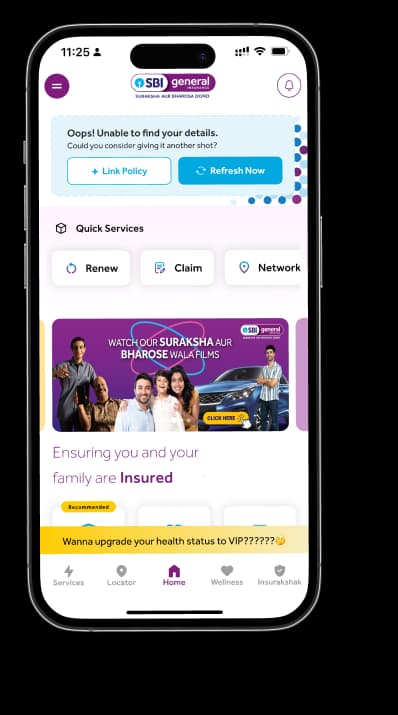
Access and manage all your Insurance Needs in one place, right at your Fingertips.



4/5*
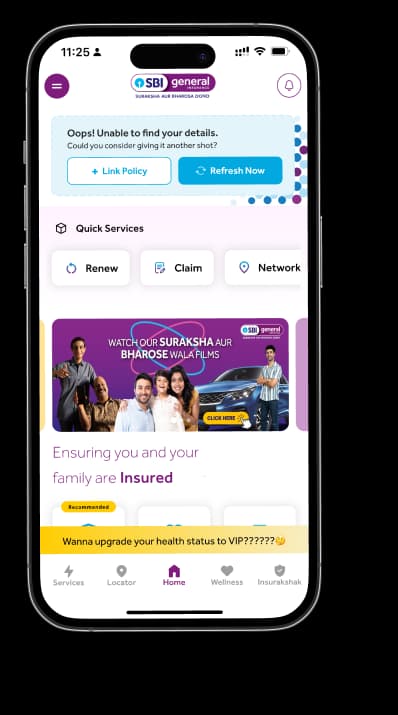
Access and manage all your Insurance Needs in one place, right at your Fingertips.


Vision
Our vision is to become the most trusted general insurer for a transforming India.
Mission
Our mission is to provide simple and innovative general insurance solutions, be responsive to our customers' needs and build a sustainable business for the future.
We're socially active!