


 Contact Us


 Other Insurance
What is OPD Cover in Health Insurance?

Date: Oct 16, 2024 - Last Modified Jun 29, 2026


When people think about health insurance, they usually think about hospital bills, surgeries, or emergency treatment. But many medical expenses come from everyday healthcare needs such as visiting a doctor, getting tests done, buying medicines, or going for follow-up appointments. Over time, these costs can add up.
With OPD coverage in health insurance, some of these outpatient expenses may be covered by your policy. This makes it easier to manage routine medical costs that occur outside a hospital setting.
Knowing how OPD benefits work can help you pick a policy that fits your needs and lowers your regular medical costs.
Understanding OPD Cover in Health Insurance
From regular doctor appointments to blood tests and follow-up visits, many healthcare services are provided without being admitted to a hospital.
OPD coverage in health insurance is a feature that provides coverage for these outpatient medical expenses. Depending on the insurer and policy, coverage may be offered as part of a comprehensive plan or as an add-on benefit.
OPD coverage means financial support for healthcare costs that come up before hospitalisation is needed. In many cases, it can even help prevent hospital stays by supporting early diagnosis and treatment.
Many modern OPD health insurance plans are designed to address the growing need for preventive healthcare and regular medical consultations.
Why is OPD Cover Important?
Healthcare costs are increasing steadily across India. Even routine visits to specialists, annual health screenings, and diagnostic investigations can place a financial burden on households.
For example, a working person who sees a skin doctor every month, gets blood tests, and buys prescription medicines regularly may not need hospital care, but these costs can add up over a year.
An OPD cover in a health insurance policy helps reduce these recurring expenses and encourages people to seek medical attention when needed rather than delaying treatment due to cost concerns.
Regular health monitoring also supports early detection of diseases, which often leads to better treatment outcomes and lower long-term healthcare expenses.
What Does OPD Cover Include?
Coverage varies by insurer, but most plans include a range of outpatient medical services.
Depending on the insurer and plan chosen, OPD benefits may extend to a range of outpatient medical expenses, such as:
- Visits to general physicians and specialists
- Prescribed medicines and pharmacy purchases
- Diagnostic investigations, including blood tests and scans
- Physiotherapy and rehabilitation sessions
- Certain minor treatments and procedures.
Many policies cover doctor visits and diagnostic tests, making it easier for people to handle everyday healthcare costs.
Some insurers also offer cashless OPD treatment without paying upfront at their network clinics, so individuals don’t have to file for reimbursement later.
Types of Expenses Covered Under OPD Cover
The exact coverage will be based on the policy, but many plans provide support for a range of outpatient medical expenses.
Doctor Consultations: This includes fees for visits to general physicians, specialists, and other medical experts.
Diagnostic Tests: If the doctor asks for specific tests such as blood work or scans, the policy may cover some of these costs.
Prescribed Medicines: Medicines recommended by a doctor may be eligible for reimbursement under the policy.
Physiotherapy and Recovery Care: Treatment sessions such as physiotherapy may be included in some plans, particularly when they are part of a prescribed course of treatment.
Regular Health Check-ups: Many policies also offer health screening benefits that can help detect potential health issues at an early stage.
Before purchasing an OPD cover insurance plan, policyholders should carefully review the list of covered services and applicable limits.
Who Should Consider OPD Cover?
OPD benefits can help most people, but some groups may find them especially valuable.
Individuals Managing Long-Term Health Conditions: Those with conditions such as diabetes, asthma, thyroid disorders, arthritis, or high blood pressure often need regular medical check-ups, tests, and medications as part of their treatment plan.
Families with Young Children: From routine vaccinations to unexpected doctor visits, healthcare needs can arise quite often during a child's growing years.
Senior Citizens: Many older individuals need ongoing medical attention, including regular check-ups and tests, to monitor age-related health conditions.
Working Professionals: Individuals who regularly visit specialists or undergo preventive health screenings may find OPD benefits useful in managing these expenses.
People Focused on Preventive Healthcare: Those who prefer routine health assessments and early detection of potential health issues can make use of OPD benefits for scheduled check-ups and screenings.
How Does OPD Cover Work in Health Insurance?
There are usually two ways to make a claim.
Reimbursement-Based Claims
The policyholder pays for consultations, medicines, or tests and later submits:
- Medical bills
- Prescriptions
- Diagnostic reports
- Claim forms
The insurer then reimburses eligible expenses according to policy terms.
Cashless OPD Services
Some insurers work with certain hospitals, clinics, and test centres. Policyholders can use these services without paying first, as long as they fit within the policy limits.
The way OPD claims are handled can vary depending on the insurer, the healthcare network, and the terms of the policy.
Documents Required for OPD Claim Reimbursement
When submitting an OPD claim, keeping the relevant medical records and bills handy can help avoid delays during the reimbursement process.
Depending on the insurer, you may be asked to provide:
- A completed claim application form
- Prescription or treatment advice provided by the doctor
- Receipts for doctor consultations
- Bills for medicines purchased
- Reports of diagnostic tests and medical investigations
- Invoices issued by laboratories or diagnostic centres
- Hospital records or treatment summaries, where relevant
- A valid government-issued identity document
- Details of the health insurance policy
Insurers may request additional documents depending on the nature of the claim.
Keeping your records organised during the policy period can make the reimbursement process easier and faster.
Eligibility and Limitations
OPD benefits are helpful, but they usually have some conditions.
Some policies may come with conditions such as:
• A maximum OPD benefit is available each year
• Separate limits for consultations, medicines, or diagnostic tests
• Waiting periods before benefits can be used
• Coverage is restricted to certain hospitals, clinics, or healthcare providers
• A requirement to share a portion of the treatment cost
• Limits on reimbursement for particular treatments or services
Before buying medical insurance with OPD cover, read the policy details carefully to know what is covered.
Common Exclusions Under OPD Cover
Not all outpatient expenses can be reimbursed.
Expenses that are often not covered may include:
- Cosmetic or aesthetic treatments
- Experimental or investigational procedures
- Alternative therapies that are not listed under the policy
- Medicines purchased without a doctor's prescription
- Over-the-counter drugs
- Nutritional supplements and wellness products
- Personal care and hygiene items
- Expenses that exceed the policy's coverage limits
- Treatments or consultations undertaken during the waiting period
In addition, some policies may not cover services such as dental care, vision correction procedures, or fertility-related treatments unless these benefits are specifically included in the plan.
Understanding exclusions is as important as understanding coverage because it helps avoid claim rejections and unexpected out-of-pocket expenses.
Always review policy documents carefully to determine which treatments and services qualify under your chosen OPD cover in your health insurance plan.
Tips to Maximise OPD Insurance Benefits
Getting the most value from your policy requires thoughtful usage.
Use Network Providers
Where available, utilise network clinics and hospitals that offer cashless OPD treatment.
Keep Important Documents Handy
Saving prescriptions, medical reports, consultation receipts, and pharmacy bills can make the claim process smoother and help avoid unnecessary delays.
Know What Your Policy Covers
Taking the time to understand your available benefits, annual limits, and any restrictions on specific services can help you make better use of your coverage.
Make Use of Preventive Health Benefits
If your policy includes health screenings or routine check-ups, consider taking advantage of them to stay on top of your health.
Keep Track of Benefits Used
Monitoring the claims you have already made can help you understand how much of your available coverage remains for the rest of the policy period.
Reassess Your Coverage Regularly
Your healthcare requirements may change over time. Reviewing your policy at renewal can help ensure that your coverage continues to meet your needs.
Making informed use of your benefits can significantly improve the value received from OPD health insurance plans.
Comparison: OPD Cover vs. Regular Health Insurance
Understanding the difference between these two forms of coverage is important.
Feature | Regular Health Insurance | OPD Cover |
Hospitalisation Coverage | Yes | Usually No |
Doctor Consultations | Limited | Yes |
Diagnostic Tests | Mostly pre/post hospitalisation | Yes |
Pharmacy Bills | Limited | Often Covered |
Routine Medical Care | Generally Not Covered | Covered |
Preventive Healthcare | Limited | Frequently Included |
Traditional health insurance primarily focuses on major medical events involving hospital admission. OPD benefits extend protection to routine healthcare expenses that occur much more frequently.
How to Choose the Right OPD Cover?
When evaluating health insurance policies, consider:
- Annual OPD coverage limits
- Consultation reimbursement limits
- Pharmacy coverage
- Diagnostic coverage
- Network healthcare providers
- Cashless facilities
- Claim process simplicity
- Waiting periods
- Premium affordability
- Family healthcare needs.
Conclusion
Staying healthy often involves regular visits to doctors, periodic tests, and preventive check-ups. While these may seem like small expenses individually, they can add up over the course of a year. OPD benefits can help make these routine healthcare costs easier to manage.
While selecting a health insurance plan, it is worth considering coverage for both inpatient and outpatient care. SBI General Insurance offers health insurance plans that can help individuals and families stay prepared for everyday medical expenses as well as larger healthcare needs.
Frequently Asked Questions
1. What is OPD cover in health insurance?
OPD cover can help reduce the cost of routine medical care by covering eligible expenses such as doctor consultations, diagnostic tests, prescribed medicines, and other treatments that do not involve a hospital stay.
2. Does OPD cover include doctor consultation fees?
Many policies include coverage for consultations with general physicians and specialists, subject to policy limits and conditions.
3. Is OPD cover worth buying in a health insurance policy?
If you regularly consult doctors, undergo medical tests, or spend money on routine healthcare, OPD cover can help reduce some of those recurring expenses.
4. What expenses are covered under OPD health insurance?
Coverage may include consultations, diagnostic investigations, pharmacy expenses, physiotherapy sessions, preventive check-ups, and other eligible outpatient treatments, depending on the policy.
This blog is intended solely for educational and informational purposes. Content reflects data at time of publication and may not accurately reflect current premiums, terms, or regulations. Readers are encouraged to confirm the accuracy and relevance of the data before making any significant decisions. SBI General Insurance disclaims responsibility for any errors or consequences arising from the use of outdated information provided herein. For more details, please refer to the policy wordings and prospectus before concluding the sales. *Add-ons are subject to payment of additional premium.
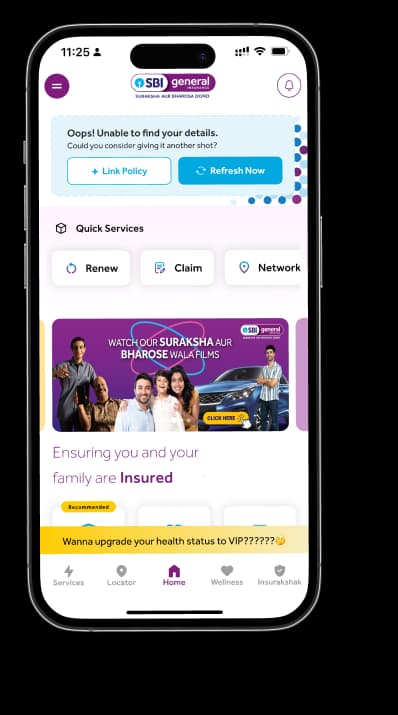
Access and manage all your Insurance Needs in one place, right at your Fingertips.



4/5*
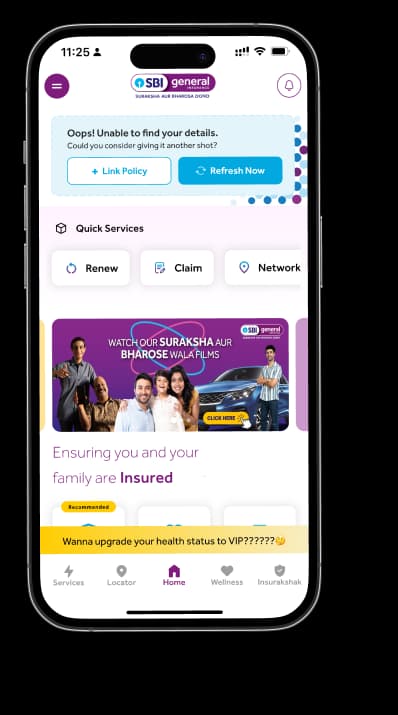
Access and manage all your Insurance Needs in one place, right at your Fingertips.


Vision
Our vision is to become the most trusted general insurer for a transforming India.
Mission
Our mission is to provide simple and innovative general insurance solutions, be responsive to our customers' needs and build a sustainable business for the future.
We're socially active!