

 Contact Us


 Other Insurance
Essential Features of Health Insurance Coverage

Date: Mar 13, 2025 - Last Modified Jun 25, 2026


Health insurance can play an important role in protecting your finances when unexpected medical expenses arise. Whether you are buying your first health insurance policy, looking for coverage for your family, or planning for future healthcare needs, understanding what a policy offers can help you make a more informed decision.
This guide explores some of the key features of health insurance policies, helping you understand what to look for when choosing coverage that suits your needs and budget.
Key Features of Health Insurance Policies You Should Know
Health insurance plans can do much more than cover hospital bills. Depending on the policy you choose, they may help with everything from routine healthcare expenses to major medical treatments. Understanding the features and benefits of health insurance can help you choose a plan that fits your needs and offers meaningful financial support when required.
1. In-patient Treatment
This covers expenses when you are admitted to a hospital for more than 24 hours. It may include room charges, nursing care, medicines, and other treatment-related costs.
2. Diagnostics
Certain medical conditions require specialised tests and investigations, which can be expensive. Some health insurance plans cover these diagnostic costs, reducing the financial burden on policyholders.
3. Maternity Cover
If you are planning to start or grow your family, maternity cover can help manage expenses related to pregnancy, childbirth, and post-delivery care. Some policies may also cover pregnancy-related complications.
4. Organ Donor Cover
Organ transplant procedures can involve significant expenses. Policies with organ donor cover may help pay for costs associated with organ harvesting and transplantation.
5. Accidental Death Benefit
This feature provides financial support to the nominee if the insured person passes away due to an accident during the policy period. This is usually available under the personal accident cover/ add-on.
6. Waiting Period for Pre-existing Illnesses
Most health insurance policies have a waiting period before they start covering pre-existing medical conditions. Comparing waiting periods can be helpful when choosing a policy.
7. Compassionate Travel
If a policyholder is hospitalised away from home, some plans may cover the travel expenses of an immediate family member visiting them during treatment.
8. Sum Insured
The sum insured is the maximum amount that the insurer will pay towards covered medical expenses during a policy year. Choosing an adequate sum insured is important, especially considering rising healthcare costs.
9. Sub-Limits
Some policies place limits on specific expenses, such as room rent or certain treatments. Understanding these limits can help avoid unexpected out-of-pocket costs during a claim.
10. Cashless Hospital Network
A wide network of cashless hospitals allows policyholders to receive treatment without paying hospital bills upfront, subject to policy terms and conditions.
11. Co-payment Option
Under a co-payment clause, the policyholder pays a fixed portion of the claim amount while the insurer covers the remaining amount. It is important to understand how much you may need to contribute before selecting a plan.
12. Pre and Post-Hospitalisation Cover
Medical expenses often begin before admission and continue after discharge. Many health insurance policies cover diagnostic tests, consultations, and medicines incurred during these periods.
13. No Claim Bonus
If no claims are made during the policy year, insurers may reward policyholders with a higher sum insured or other benefits at renewal, depending on the policy terms.
Important Exclusions Under Health Insurance Coverage
When buying health insurance, most people focus on what the policy covers. However, it is just as important to understand what it does not cover. These exclusions can affect whether a claim is approved, so knowing them in advance can help you avoid surprises later.
While exclusions vary from one insurer to another, some commonly excluded expenses and treatments include:
Pre-existing Conditions During the Waiting Period
If you have a medical condition before purchasing the policy, it may not be covered immediately. Most insurers cover pre-existing illnesses only after the specified waiting period is completed.
Waiting Period for Certain Treatments
Some treatments and illnesses come with a waiting period, which means you may need to wait for a certain period before making a claim for them.
Non-Medical Expenses
Hospital bills often include charges that are not directly related to treatment, such as registration fees, administrative costs, gloves, masks, and similar consumables. These may not be covered under standard policies.
Cosmetic Procedures
Treatments carried out mainly for cosmetic reasons, such as facelifts or other appearance-enhancing procedures, are generally excluded unless they are medically necessary.
Dental and Vision Treatments
Routine dental work, eye tests, spectacles, and similar treatments may not be covered under a standard health insurance plan.
Weight-Loss Treatments
Procedures and treatments aimed primarily at weight reduction may not be covered unless they are medically required and allowed under the policy terms.
Maternity Expenses
Not all health insurance plans cover pregnancy and childbirth-related expenses. Even when they do, a waiting period may apply.
Experimental Treatments
Treatments that are still being tested or have not become part of standard medical practice may not be covered.
Alternative Therapies
Coverage for treatments such as naturopathy, acupuncture, or other alternative therapies depends on the policy. Some plans may cover them, while others may not.
Self-Inflicted Injuries
Expenses arising from intentional self-harm or substance abuse are generally excluded from health insurance coverage.
War and Civil Disturbances
Medical expenses resulting from war, terrorism, riots, or similar events are commonly excluded from standard health insurance policies.
Overseas Treatment
Most standard health insurance plans cover treatment only within India. Medical expenses incurred abroad may not be covered unless international coverage is included.
Factors to consider Before Choosing a Health Insurance Plan
Selecting a health insurance policy involves evaluating several factors beyond premium costs alone. Here’s what to generally look for in health insurance:
Coverage amount
The sum insured should be appropriate for the healthcare needs of the individual or family. Medical expenses may vary based on treatment requirements, city of residence, and hospital preferences.
Network hospitals
Many insurers maintain a network of hospitals where cashless treatment facilities may be available. Reviewing the hospital network can be useful when comparing plans.
Waiting periods
Different policies may include waiting periods for specific illnesses, procedures, or pre-existing conditions. Understanding these timelines is important before purchasing a plan.
Claim process
A simple and well-defined claim process may help policyholders access benefits more conveniently when required.
Family requirements
People purchasing family floater plans should evaluate the healthcare needs of all covered members before selecting a policy.
Renewal terms
Reviewing policy renewal conditions can provide clarity regarding long-term coverage continuity.
Additional benefits
Some plans may include wellness programmes, preventive health check-ups, or optional add-on covers that can enhance overall protection.
When comparing multiple plans, reviewing the features of a health insurance coverage alongside premium costs can provide a more balanced assessment of value and suitability.
Careful evaluation of policy detail and health insurance coverage features allows individuals to select a plan that aligns with their medical needs, budget, and long-term healthcare objectives.
Cashless vs Reimbursement Claim Process
Health insurance policies generally offer two common claim settlement methods: cashless claims and reimbursement claims.
Cashless claim process
Under the cashless facility, treatment is received at a network hospital associated with the insurer. Subject to policy terms and approval procedures, eligible medical expenses are settled directly between the insurer and the hospital.
Typical steps include:
Admission at a network hospital
Submission of health insurance details
Verification of policy information
Approval process as per insurer guidelines
Settlement of eligible expenses
Many policyholders prefer this option because it simplifies the payment process during hospitalisation.
Reimbursement claim process
Under reimbursement claims, the policyholder initially pays the hospital expenses and later submits the required documents to the insurer for claim processing.
Documents commonly required may include:
Hospital bills
Discharge summary
Diagnostic reports
Doctor's prescriptions
Claim forms
Payment receipts
After document verification and claim assessment according to policy conditions, eligible expenses may be reimbursed.
Both claim methods serve different situations, and understanding the available claim options can help policyholders make informed decisions during medical treatment.
Conclusion
Health insurance plays an important role in financial planning for healthcare needs. Understanding policy benefits, exclusions, claim procedures, and coverage options can help individuals make informed choices. Reviewing policy documents carefully and comparing available features allows policyholders to select coverage that aligns with their healthcare requirements and long-term financial goals.
The right health insurance plan can help reduce financial stress during difficult times. SBI General Insurance offers a range of health insurance solutions for different healthcare needs.
FAQs
1. What are the key features of a good health insurance policy?
A good health insurance policy generally offers adequate sum insured, coverage for hospitalisation expenses, cashless treatment facilities, pre and post-hospitalisation benefits, access to a wide network of hospitals, and a clear claim process. Reviewing policy inclusions, exclusions, and renewal terms can also help in selecting suitable coverage.
2. Why is cashless hospitalisation important in health insurance?
Cashless hospitalisation allows policyholders to receive treatment at network hospitals without making upfront payments for eligible medical expenses, subject to policy terms and approvals. This feature can simplify the treatment process and provide greater convenience during planned or emergency hospital admissions.
3. What is the importance of sum insured in health coverage?
The sum insured represents the maximum coverage amount available under a health insurance policy during a policy year. Choosing an appropriate sum insured can help individuals and families manage medical expenses more effectively based on their healthcare needs and financial planning goals.
4. Does health insurance cover pre- and post-hospitalisation expenses?
Many health insurance policies include coverage for pre- and post-hospitalisation expenses for a specified number of days before and after hospital admission. These expenses may include consultations, diagnostic tests, medicines, and follow-up treatment, depending on the policy terms and conditions.
This blog is intended solely for educational and informational purposes. Content reflects data at time of publication and may not accurately reflect current premiums, terms, or regulations. Readers are encouraged to confirm the accuracy and relevance of the data before making any significant decisions. SBI General Insurance disclaims responsibility for any errors or consequences arising from the use of outdated information provided herein. For more details, please refer to the policy wordings and prospectus before concluding the sales. *Add-ons are subject to payment of additional premium.
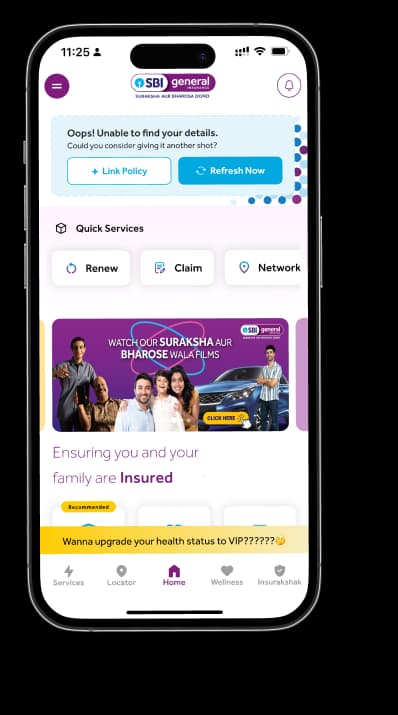
Access and manage all your Insurance Needs in one place, right at your Fingertips.



4/5*
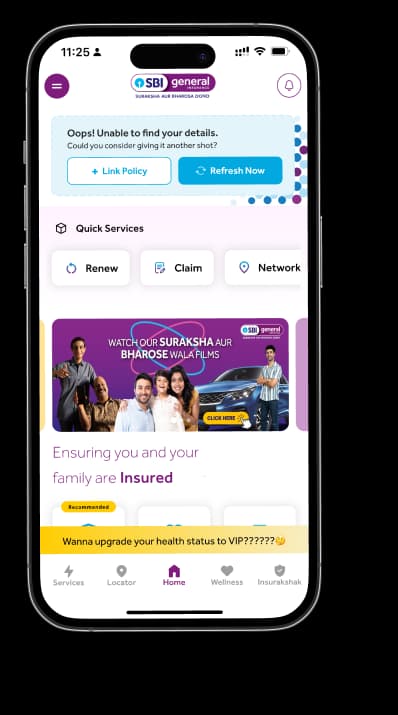
Access and manage all your Insurance Needs in one place, right at your Fingertips.


Vision
Our vision is to become the most trusted general insurer for a transforming India.
Mission
Our mission is to provide simple and innovative general insurance solutions, be responsive to our customers' needs and build a sustainable business for the future.
We're socially active!