


 Contact Us


 Other Insurance
The Future of Car Insurance in India

Date: May 21, 2026 - Last Modified May 21, 2026


Car insurance in India is evolving with changing technology and customer needs. From providing the option to buy policies online to faster claim support and personalised coverage options, insurers are focusing on making the overall experience simpler and more convenient for policyholders. These shifts are shaping a more streamlined and accessible approach to car insurance in the years ahead.
In this article, we take a closer look at the future of car insurance in India, emerging industry trends, and the changes that are influencing how motor insurance is managed today.
How is Car Insurance in India Changing?
Car insurance in India is moving towards digital platforms and smarter systems. Insurers are focusing on faster services and better communication. The future of car insurance includes improved policy management and easy access to information.
Let’s take a closer look at the key factors driving this transformation in the car insurance landscape:
Digital Car Insurance and Faster Claims
Digital platforms are playing an important role in transforming insurance services. The future of car insurance is closely linked with online systems that support faster policy purchase and claim handling.
Paperless Policy Purchase
Digital platforms allow customers to buy policies without physical documents. This process reduces paperwork and makes it easier to manage records. Many insurers now offer online options for purchasing motor insurance. This approach supports faster access to coverage and helps maintain organised documentation for future use.
Faster Claim Settlement
Technology supports quicker claim processing by reducing manual steps. Insurers use digital tools to review documents and assess claims efficiently. The future of car insurance includes streamlined claim systems that focus on speed and accuracy. This helps policyholders experience smooth and timely claim handling.
Mobile-First Customer Support
Mobile applications are becoming a key part of customer interaction. These apps allow users to manage policies, raise claims, and track updates. The future of car insurance includes mobile-first support systems that provide quick assistance and easy access to services at any time.
Predictive Car Insurance and Smart Underwriting
Predictive systems use data to understand driving patterns and risk levels. This helps insurers design policies that match individual needs. The future of car insurance includes smart underwriting methods that rely on data analysis. These systems support better pricing and customised coverage options.
Usage-Based Car Insurance (UBI) and Telematics
Usage-based insurance is gaining attention as it links premiums to driving behaviour. The future of car insurance includes telematics systems that help track usage and improve transparency.
What is Pay-As-You-Drive Insurance?
Pay-as-you-drive insurance allows policyholders to pay premiums based on the distance they travel. This approach supports flexible pricing and aligns coverage with actual vehicle usage. It also encourages better planning of driving patterns.
How Telematics Devices Work?
Telematics devices collect data such as speed, distance, and driving habits. This data is shared with the insurer to assess usage patterns. The system helps in understanding how the vehicle is used and supports customised policy features.
Benefits for Safe Drivers
Safe driving behaviour can be recognised through telematics data. This may help in structuring policies based on driving patterns. It supports a balanced approach to pricing and encourages responsible vehicle use under a structured motor insurance plan.
Data Privacy Concerns
With increased use of data, protecting personal information becomes important. Insurers follow structured systems to ensure data security. Maintaining privacy helps build trust and supports safe use of digital platforms.
Fair Pricing and Transparency
Pricing models are becoming more detailed with data-based systems. Ensuring transparency in pricing helps policyholders understand how premiums are calculated. Clear communication supports informed decision-making.
Adoption Across Tier 2 and Tier 3 Cities
Digital insurance services are expanding beyond metro areas. Increasing awareness and access in smaller cities supports wider adoption. This helps more people benefit from structured insurance solutions, including third-party insurance.
What Policyholders Should Expect in the Future
Policyholders can expect more convenience and clarity as insurance evolves. The future of car insurance includes improved services and better support systems.
Lower premiums for safer drivers
Driving behaviour may influence premium calculation. Safe driving patterns can support balanced pricing structures. This approach aligns coverage with individual usage and promotes responsible driving habits. Over time, insurers may use structured data to understand patterns such as smooth braking, steady speed, and regular usage.
This helps in creating pricing models that reflect real driving behaviour. It also encourages policyholders to maintain consistent and careful driving practices.
Instant claims
Digital tools are making claim processes faster and more efficient. Quick verification and processing support timely claim settlement. This helps maintain a smooth experience for policyholders. Advanced systems may also allow instant document upload and real-time status tracking.
This reduces the need for repeated follow-ups and improves clarity. As digital processes improve, claim handling may become more streamlined and easier to manage for both insurers and policyholders.
Personalised recommendations
Data-based systems allow insurers to suggest suitable plans. This helps policyholders choose coverage that matches their needs. Personalised options improve overall satisfaction and understanding of policies.
Insurers may consider factors such as vehicle usage, location, and past policy details while suggesting plans. This approach supports better alignment between coverage and individual requirements. It also helps policyholders make informed choices without confusion.
Better customer experience
Improved digital platforms and support systems enhance customer interaction. Easy access to policy details and services supports a seamless experience. This aligns with the growing focus on customer-centric insurance solutions.
Features such as mobile apps, chat support, and self-service portals make it easier to manage policies. These tools help in quick updates, simple navigation, and better communication. A structured experience supports long-term customer satisfaction.
Conclusion
Car insurance in India is moving towards a more structured and technology-driven approach. Continuous improvements in digital systems and customer support are shaping the overall experience. Understanding these changes helps policyholders stay informed and prepared for future developments in insurance.
As innovation continues, insurers may focus on improving accessibility, clarity, and service quality. With digital-first solutions and customer-focused services, SBI General Insurance aims to make car insurance management simpler and more convenient for policyholders.
Frequently Asked Questions
1. What is usage-based car insurance?
Usage-based car insurance is a plan where the premium depends on how much and how often a vehicle is used, instead of a fixed yearly estimate.
2. How does telematics affect car insurance premiums?
Telematics tracks driving habits such as speed and distance. This data helps insurers understand usage patterns and may support more balanced premium calculation based on driving behaviour.
3. Is digital car insurance safe in India?
Digital car insurance platforms follow structured security systems to protect user data. Many insurers use secure processes to ensure safe transactions and policy management online.
4. Can safe drivers get lower premiums in the future?
Driving behaviour may influence premium structures in evolving models. Safe driving patterns can support pricing that aligns with individual usage and responsible driving habits.
5. How will AI change car insurance claims?
AI can support faster claim processing by reviewing documents and identifying details quickly. This helps insurers improve efficiency and maintain a structured claim assessment process.
6. Is pay-as-you-drive insurance available in India?
Pay-as-you-drive insurance is available with some insurers in India. It allows policyholders to choose plans where premiums are linked to vehicle usage and distance travelled.
This blog is intended solely for educational and informational purposes. Content reflects data at time of publication and may not accurately reflect current premiums, terms, or regulations. Readers are encouraged to confirm the accuracy and relevance of the data before making any significant decisions. SBI General Insurance disclaims responsibility for any errors or consequences arising from the use of outdated information provided herein. For more details, please refer to the policy wordings and prospectus before concluding the sales. *Add-ons are subject to payment of additional premium.
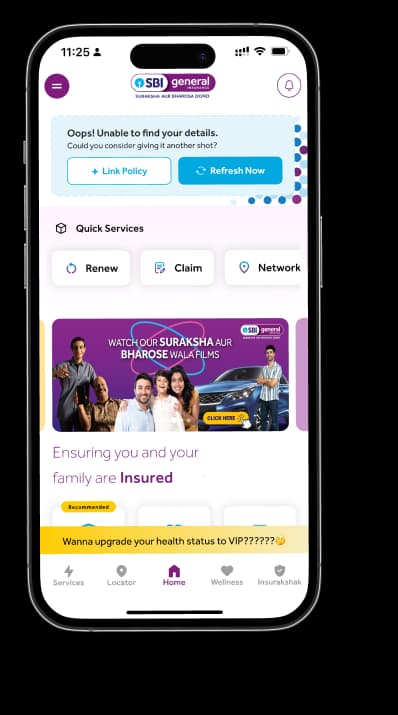
Access and manage all your Insurance Needs in one place, right at your Fingertips.



4/5*
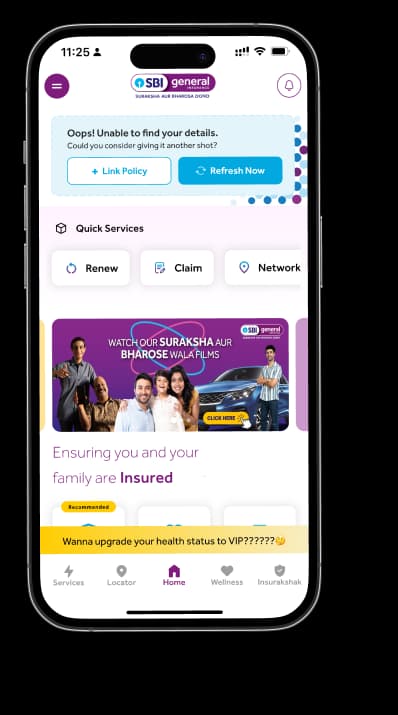
Access and manage all your Insurance Needs in one place, right at your Fingertips.


Vision
Our vision is to become the most trusted general insurer for a transforming India.
Mission
Our mission is to provide simple and innovative general insurance solutions, be responsive to our customers' needs and build a sustainable business for the future.
We're socially active!