


 Contact Us


 Other Insurance
Helmet Regulations and Laws in India: Rules, Fines & Safety Standards
Date: Jun 11, 2026 - Last Modified Jun 11, 2026


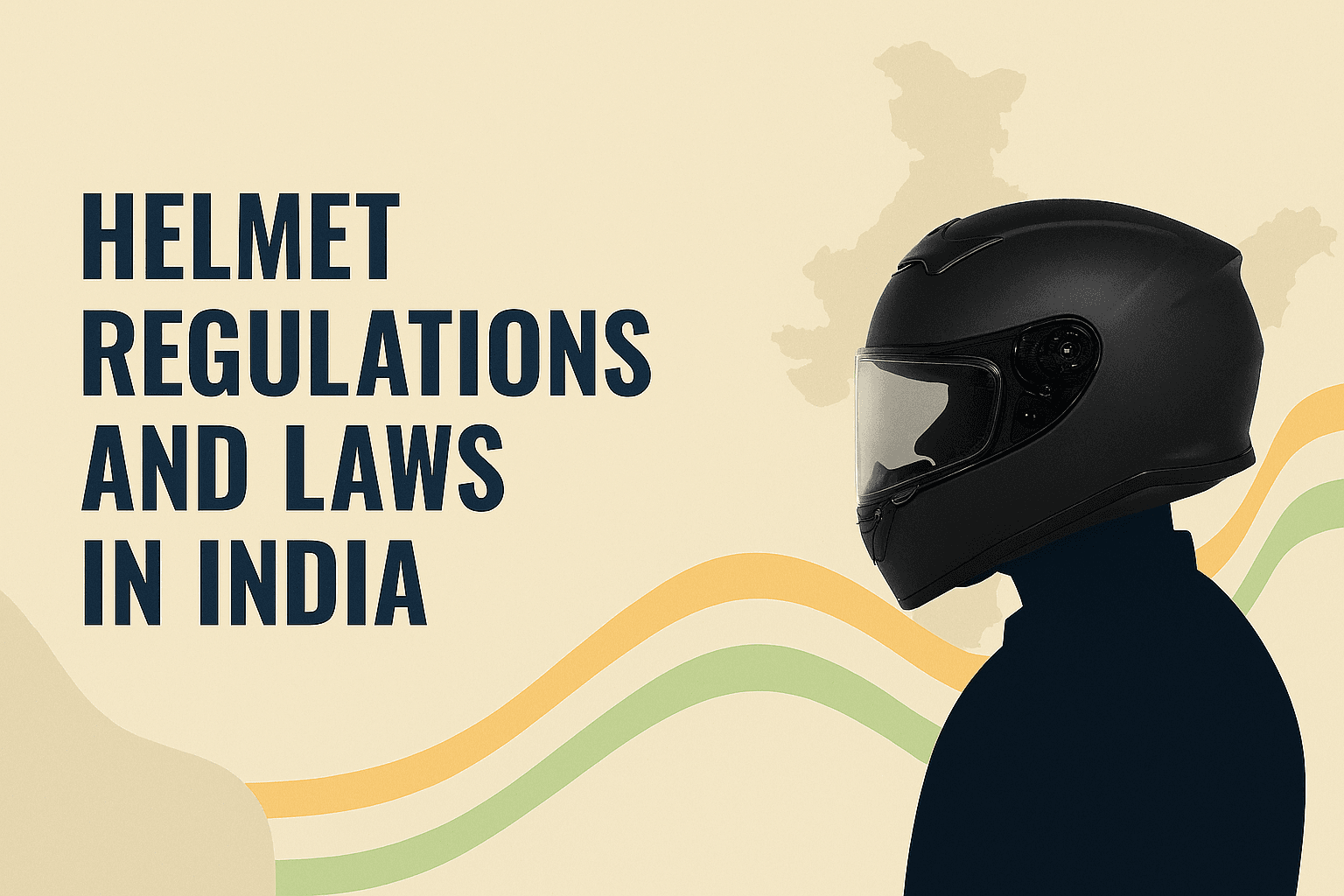
Helmet rules in India are designed to improve two-wheeler rider safety and reduce the risk of serious injuries during road accidents. Under the Motor Vehicles Act, wearing an ISI/BIS-certified helmet is mandatory for both riders and pillion passengers in most states. Failure to follow helmet regulations may result in fines, licence suspension and other consequences.
Understanding helmet rules in India helps riders stay aware of legal requirements, approved helmet standards and penalties associated with rule violations.
Why Helmet Rules Matter in India
Road safety is a key part of traffic management in India, especially for people who ride two-wheelers. Helmets protect your head in case of accidents or sudden impacts. The helmet rules in India are meant to help riders stay safe and follow good road habits.
Traffic authorities often remind people about the importance of wearing helmets, whether they are riding in cities, on highways, or on rural roads. Helmet laws in India help keep both riders and passengers safe, whether they are commuting every day or travelling long distances.
For example, wearing a helmet is especially important when riding in heavy traffic, on wet roads during the monsoon, or in crowded markets where you might need to brake suddenly or keep your balance.
Helmet Rules Under the Motor Vehicles Act, 1988
The Motor Vehicles Act, 1988, outlines the legal requirements for helmet use by two-wheeler riders in India. These rules generally apply to both riders and, in many states, pillion passengers as well, depending on the applicable local traffic regulations.
The helmet rules in India generally require two-wheeler riders to wear protective headgear that meets approved safety standards. Traffic authorities also monitor compliance through regular traffic checks and highway enforcement activities to encourage safer riding practices and reduce accident-related injuries.
Many riders keep their two-wheeler insurance and other vehicle documents up to date, since traffic checks often include checking for insurance, registration, along with helmet usage.
Section 129 — Mandatory Headgear
Section 129 of the Motor Vehicles Act, 1988 states that individuals riding motorcycles or scooters must wear protective helmets while driving. The helmets used should comply with the safety certification standards prescribed by the relevant authorities.
The helmet laws and rules in India for a pillion rider are also applicable in many states, where both the rider and passenger are expected to wear helmets during travel. This supports safer road usage for all two-wheeler users.
Section 194D — Penalty for Not Wearing a Helmet
Section 194D of the Motor Vehicles Act deals with penalties for riding without a helmet. Traffic authorities may issue fines or challans during traffic inspections and enforcement drives conducted in cities and on highways for non-compliance with helmet regulations.
The fine for not wearing a helmet in India can vary depending on the state and the latest traffic rules. Traffic authorities also conduct awareness campaigns and enforcement drives to encourage helmet safety and promote compliance with road safety rules among two-wheeler riders.
ISI / BIS Certification Requirements for Helmets
Helmet quality and safety standards play an important role in protecting two-wheeler riders during accidents and road incidents.
- In India, helmets are generally required to carry ISI (Indian Standards Institute) or BIS (Bureau of Indian Standards) certification marks to indicate compliance with approved safety standards.
- Certified helmets are tested for factors such as impact resistance, strap quality and overall rider protection. As awareness about road safety increases, many riders now check certification labels before purchasing helmets for daily commuting or highway travel.
- Helmet laws in India encourage people to use certified helmets instead of decorative or non-protective ones. Approved helmets offer better protection in case of accidents or sudden impacts.
- For example, wearing a helmet is especially important when riding in heavy rain, on slippery roads, through construction zones, or on uneven streets, where keeping your balance and protecting your head is crucial for safety.
Helmet Rules for Pillion Riders
Helmet rules for pillion passengers are also followed in many Indian states as part of broader road safety enforcement. The helmet rules in India for pillion rider support passenger safety during daily commuting and long-distance travel.
Traffic authorities may check to make sure both the rider and the passenger are wearing helmets as required by the rules. More families riding together on scooters and motorcycles are now paying attention to passenger safety.
Fine for Not Wearing a Helmet in India
Traffic penalties for riding without a helmet are designed to encourage safer riding practices and better compliance with traffic regulations. The fine for not wearing a helmet in India may vary depending on local enforcement and updated traffic rules followed by different states.
For instance, the current fine for not wearing a helmet in Maharashtra is ₹1,000, which is subject to change as per state laws.
Traffic authorities can give challans during roadside checks, at traffic signals, and during highway safety drives. If someone breaks the rules repeatedly, it can also lead to further action on their driving licence records.
Helmet rules in India help raise road safety awareness for people who use motorcycles and scooters for work, school, or family trips. Following these rules helps make traffic flow better and keeps everyone safer on the roads.
State-wise Variations in Helmet Fines
Different states may implement traffic fines according to local enforcement priorities and updated road safety regulations. The fine for not wearing a helmet in India may therefore differ slightly between regions based on state-level traffic administration.
2026 Update — Two BIS-Certified Helmets with Every New Two-Wheeler
Road safety discussions in recent years have focused on improving helmet availability for riders and passengers. One important development includes encouraging the supply of two BIS-certified helmets with newly purchased two-wheelers.
This initiative supports better awareness regarding certified helmet use and passenger safety from the beginning of vehicle ownership. The helmet rules in India for pillion rider also align with this approach because passengers require proper protective headgear during travel.
Exemptions Under the Helmet Law
Certain exemptions under helmet laws may apply in specific situations, depending on state regulations and applicable government notifications. In some cases, exemptions may be provided for individuals wearing turbans due to religious practices or for specific categories approved by local authorities.
Tips to Choose a Safe and Compliant Helmet
Choosing the right helmet involves more than just appearance.
- Riders should check whether the helmet carries ISI or BIS certification marks, as these indicate compliance with approved safety standards in India.
- Proper fit and comfort are also important factors. A well-fitted helmet feels stable while riding and can improve comfort during daily commutes and long-distance travel.
- One must also check the chin strap quality, ventilation, visor clarity and overall helmet weight before purchasing.
- Weather and road conditions can also influence helmet selection. For example, helmets with good ventilation may feel more comfortable during summer rides, while clear visors can improve visibility during rain or low-light conditions.
Regular helmet maintenance also plays an important role in safety and durability. Proper cleaning, careful storage and timely replacement of damaged helmets can help maintain protection and improve the overall riding experience.
Importance of Bike Insurance along with Helmet Safety
Looking beyond safety gear, being financially prepared for unexpected road incidents is equally important. While helmets help reduce the risk of serious injuries, accidents can still lead to repair costs or third-party liabilities. A suitable two-wheeler insurance policy can provide financial support in such situations. It helps ensure that riders are protected not just physically, but also from the financial impact of unforeseen events on the road.
Conclusion
Helmet rules in India help make riding safer and keep traffic organised for people using two-wheelers. Knowing the laws and helmet rules in India, safety standards, and possible penalties helps riders stay informed about what is required. Wearing a proper helmet, using certified gear, and riding responsibly all lead to safer journeys on India’s roads.
With SBI General Insurance, riders can also explore two-wheeler insurance solutions designed to support safer and more secure travel experiences.
Frequently Asked Questions
1. What is the fine for not wearing a helmet in India?
The fine for riding without a helmet may vary by state. However, traffic authorities commonly issue penalties under the Motor Vehicles Act for helmet-related violations.
2. Is wearing a helmet mandatory for pillion riders?
Yes, many states require pillion riders to wear helmets as part of road safety regulations applicable to two-wheeler travel across India.
3. What does Section 129 of the Motor Vehicles Act say?
Section 129 states that motorcycle and scooter riders should wear protective headgear that follows prescribed safety standards while riding on public roads.
4. Are non-ISI helmets illegal in India?
Non-ISI or non-BIS helmets are generally discouraged because certified helmets are designed to follow approved safety standards for rider protection and road safety compliance.
5. Who is exempt from wearing a helmet in India?
Certain exemptions may apply under specific state rules, religious practices, or official notifications issued according to local traffic and road safety regulations.
6. Can my insurance claim be rejected if I was not wearing a helmet?
Insurance claim assessment may consider traffic compliance and safety practices depending on policy terms, accident details, and applicable claim verification procedures.
7. What is the new helmet rule from January 2026?
Recent road safety discussions include providing two BIS-certified helmets with new two-wheelers to encourage safer riding practices for riders and passengers.
8. Is a half-helmet legal in India?
Half-helmets may be acceptable if they carry valid BIS or ISI certification and comply with approved safety standards prescribed for protective headgear in India.
This blog is intended solely for educational and informational purposes. Content reflects data at time of publication and may not accurately reflect current premiums, terms, or regulations. Readers are encouraged to confirm the accuracy and relevance of the data before making any significant decisions. SBI General Insurance disclaims responsibility for any errors or consequences arising from the use of outdated information provided herein. For more details, please refer to the policy wordings and prospectus before concluding the sales. *Add-ons are subject to payment of additional premium.
Access and manage all your Insurance Needs in one place, right at your Fingertips.



4/5*
Access and manage all your Insurance Needs in one place, right at your Fingertips.


Vision
Our vision is to become the most trusted general insurer for a transforming India.
Mission
Our mission is to provide a seamless insurance experience to our customers, with a focus on accessibility, affordability, and accessibility.
We're socially active!