


 Contact Us


 Other Insurance
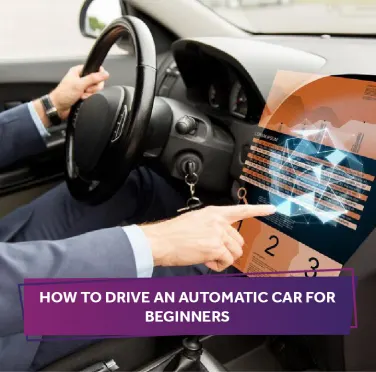
How to Drive an Automatic Car: A Beginner's Guide
Date: May 21, 2024 - Last Modified Jun 5, 2026


Automatic cars have become increasingly popular due to their convenience. They are easy to drive and require less effort than manual cars. There is no clutch pedal and no need to change gears manually. This makes them especially convenient in stop-and-go traffic.
If you are new to automatic vehicles, learning the basics is important. It helps you drive with confidence and stay safe on the road. This guide explains how to drive an automatic car, the controls you need to know, common mistakes to avoid, and useful driving tips for different road conditions.
Understanding the Basic Controls of an Automatic Car
Before learning how to drive an automatic car, it is important to understand the basic controls. Unlike a manual car, an automatic car has only two pedals and handles gear changes on its own.
Accelerator Pedal
The accelerator controls the car's speed. Press it gently to move forward and increase speed smoothly.
Brake Pedal
The brake pedal slows down or stops the vehicle. It is also used when starting the car and changing gears.
Gear Selector
The gear selector allows you to choose different driving modes.
P (Park): Used when the car is parked
R (Reverse): Used to move the car backwards
N (Neutral): Disconnects the engine from the wheels
D (Drive): Used for normal forward driving
Some automatic cars may also have additional modes such as Sport (S) for improved performance, Low (L) for steep roads, or Manual (M) for manual gear control.
Handbrake
The handbrake keeps the vehicle stationary when parked and adds an extra layer of safety, especially on slopes.
How to Drive an Automatic Car Step by Step
If you are wondering, ‘How can I drive an automatic car?’, follow these simple steps.
Step 1: Adjust Your Seat and Mirrors
Sit comfortably and adjust the seat, steering wheel, and mirrors before starting the engine.
Step 2: Fasten Your Seatbelt
Always wear your seatbelt before driving.
Step 3: Start the Engine
Press the brake pedal and start the car using the key or push-button ignition.
Most automatic cars will not start unless the gear is in Park (P) or Neutral (N).
Step 4: Select Drive Mode
Keep your foot on the brake pedal and move the gear selector to D (Drive).
Step 5: Release the Handbrake
Release the handbrake before moving.
Step 6: Move Forward Slowly
Gently release the brake pedal. Most automatic cars will begin moving slowly on their own.
Press the accelerator gradually to increase speed.
Step 7: Stop Safely
When you need to stop, release the accelerator and press the brake pedal smoothly.
Step 8: Park the Vehicle
When parking:
Bring the car to a complete stop.
Shift the gear to P (Park).
Apply the handbrake.
Turn off the engine.
These basic steps explain how to drive an automatic car safely and comfortably.
Useful Tips for Driving an Automatic Car for the First Time
Driving an automatic vehicle will feel different from driving a manual car.
Here are some useful tips for beginners:
Use only your right foot for both pedals.
Apply gentle pressure on the accelerator.
Keep both hands on the steering wheel.
Maintain a safe distance from other vehicles.
Avoid sudden acceleration or braking.
Get familiar with the vehicle's controls before driving.
It is best to practice in a quiet area before driving in heavy traffic.
Common Mistakes First-Time Automatic Car Drivers Should Avoid
Many beginners make small mistakes when learning how to drive an auto gear car.
#1 Using Both Feet
Some drivers try to use the left foot for braking. This can lead to sudden and harsh braking.
#2 Shifting Gears While Moving
Avoid shifting between Drive and Reverse before the vehicle comes to a complete stop.
#3 Pressing the Accelerator Too Hard
Automatic cars can respond quickly to acceleration. Gentle inputs provide better control.
#4 Forgetting to Use the Handbrake
Always apply the handbrake when parking, especially on slopes.
#5 Keeping the Car in Neutral While Driving
Some drivers believe this saves fuel. In reality, it can reduce vehicle control and compromise safety.
Safety Tips for Driving an Automatic Car in Traffic and on Slopes
Driving conditions can differ significantly. Understanding how to handle traffic and slopes is essential for ensuring safety.
Driving in Traffic
Heavy traffic is one reason many drivers prefer automatic cars.
To drive safely:
Maintain a safe following distance.
Avoid frequent hard acceleration.
Use brakes smoothly.
Stay alert to sudden stops.
Automatic transmissions reduce the need for constant gear changes, making traffic driving less tiring.
Driving on Slopes
Driving uphill and downhill requires extra attention.
When driving uphill:
Maintain steady acceleration.
Use low gear mode if available for steep inclines.
When driving downhill:
Reduce the speed before descending.
Use engine braking if your vehicle provides manual or low-gear options.
Avoid relying only on the brakes for long downhill stretches.
Apart from following these safety tips, it is equally important to stay financially prepared for unexpected situations on the road.
A comprehensive car insurance policy can help cover expenses after an accident, theft, or natural calamity, subject to policy wordings. It gives vehicle owners financial support when they need it most and helps them drive with greater peace of mind.
Conclusion
Learning how to drive an automatic car is easy once you learn the controls and basic driving techniques. Automatic vehicles eliminate the need for manual gear changes. This makes them a great option for beginners and experienced drivers alike.
With regular practice, driving an automatic car can become second nature. Whether driving through city traffic or on highways, understanding the fundamentals can help you drive confidently and safely.
Along with safe driving habits, having a suitable motor insurance policy can help protect you financially against unexpected road-related incidents.
FAQs
1. How do beginners drive an automatic car?
Beginners should start by familiarising themselves with the car's controls and gear positions. Once seated comfortably, press the brake pedal, start the engine, shift to D (Drive), release the handbrake, and gently accelerate. Practising in a low-traffic area can help build confidence.
2. What are the basic controls in an automatic car?
The main controls in an automatic car include the accelerator pedal, brake pedal, steering wheel, gear selector, and handbrake. The gear selector usually has P (Park), R (Reverse), N (Neutral), and D (Drive) modes.
3. When should I use P, R, N, and D gears in an automatic car?
Use P (Park) when the car is stationary and parked, R (Reverse) when moving backwards, N (Neutral) when the vehicle needs to remain stationary without engaging the transmission, and D (Drive) for normal forward driving.
4. Is driving an automatic car easier than a manual car?
Yes. Many drivers find automatic cars easier to drive because there is no clutch pedal and no need to change gears manually. This allows drivers to focus more on steering, road conditions, and traffic.
5. Can automatic cars roll backward on slopes?
Yes, some automatic cars can roll slightly backwards on steep slopes when the brake pedal is released. However, many modern vehicles come with hill-hold assist, which prevents the car from rolling back while moving off on an incline.
This blog is intended solely for educational and informational purposes. Content reflects data at time of publication and may not accurately reflect current premiums, terms, or regulations. Readers are encouraged to confirm the accuracy and relevance of the data before making any significant decisions. SBI General Insurance disclaims responsibility for any errors or consequences arising from the use of outdated information provided herein. For more details, please refer to the policy wordings and prospectus before concluding the sales. *Add-ons are subject to payment of additional premium.
Access and manage all your Insurance Needs in one place, right at your Fingertips.




4/5*
Access and manage all your Insurance Needs in one place, right at your Fingertips.



Vision
Our vision is to become the most trusted general insurer for a transforming India.
Mission
Our mission is to provide simple and innovative general insurance solutions, be responsive to our customers' needs and build a sustainable business for the future.
We're socially active!