


 Contact Us


 Other Insurance
Understanding the Legal and Social Implications of Consuming Alcohol While Driving
Date: Sep 30, 2025 - Last Modified Jun 9, 2026


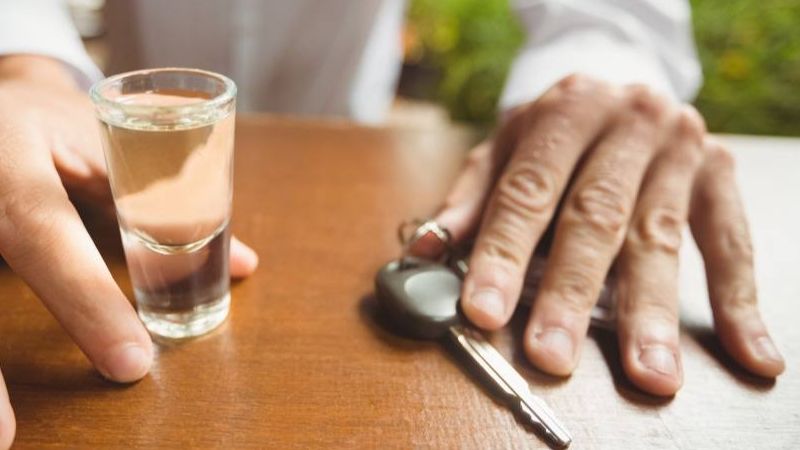
Driving requires focus, quick decision-making, and full control of the vehicle. Alcohol can affect all of these abilities, making it difficult to drive in a safe manner. This is why drunk driving is considered one of the most serious traffic violations in India.
Besides legal penalties, driving after drinking puts the driver, passengers, pedestrians, and others at risk. Knowing the rules and consequences helps people make safer choices and keeps roads safer.
Drunk Driving Fine in India
The drink and drive fine in India is governed by the Motor Vehicles Act, 1988, as amended.
A person may be considered guilty of drunk driving if the alcohol content in their blood exceeds the legally prescribed limit while operating a motor vehicle.
Under the current law:
First-Time Offenders: First-time offenders may face a drunk and drive fine of up to ₹10,000 and/or imprisonment of up to six months.
Repeat Offenders: Repeat offences can attract a fine of up to ₹15,000 and/or imprisonment of up to two years.
Authorities may also suspend or revoke the driving licence in certain situations.
The exact penalty can vary depending on the severity of the offence and the circumstances involved.
How Much Alcohol Is Allowed While Driving?
In India, the legal Blood Alcohol Concentration (BAC) limit for drivers is 30 mg of alcohol per 100 ml of blood.
Traffic authorities often use a breathalyser test to determine whether a driver has exceeded this limit.
Note: Alcohol affects everyone differently. Factors like body weight, age, metabolism, and diet can affect BAC levels. Because of this, the safest choice is not to drive after drinking at all.
Penalties for Drunk Driving
The drink and drive fine is only one part of the penalty. Depending on the situation, offenders may face several consequences.
Monetary Penalties
Drivers found violating the law may be required to pay substantial fines.
Imprisonment
Serious violations can result in imprisonment, especially in cases involving repeat offences.
Licence Suspension
Traffic authorities may suspend or cancel a driving licence depending on the severity of the offence.
Court Proceedings
Certain cases may require the offender to appear before a court and face additional legal action.
Legal Framework Governing Drunk Driving
The laws relating to drunk driving in India are primarily governed by the Motor Vehicles Act.
The legislation aims to improve road safety by discouraging individuals from operating vehicles while under the influence of alcohol.
Traffic police officers are authorised to:
Conduct breathalyser tests
Stop vehicles for inspection
Issue drink and drive challans
Initiate legal action against offenders
These measures help enforce road safety regulations and reduce alcohol-related accidents.
Consequences of Driving Under the Influence
The effects of drunk driving often extend beyond paying a fine. Here are some of the consequences of driving under the influence:
Increased Risk of Accidents
Alcohol affects judgement, coordination, reaction time, and concentration. This significantly increases the likelihood of accidents.
Legal Troubles
Drivers may face police action, court proceedings, and penalties under applicable laws.
Financial Burden
Apart from fines, individuals may incur legal expenses, vehicle repair costs, and other financial losses.
Reputational Impact
Being involved in a drink-driving offence can affect personal and professional reputation.
Emotional Consequences
Accidents involving alcohol can have long-lasting emotional effects on drivers, passengers, and families.
Social Implications of Alcohol Consumption While Driving
The consequences of drink driving are not limited to the individual behind the wheel.
Risk to Public Safety
A driver under the influence of alcohol can endanger pedestrians, cyclists, passengers, and other motorists.
Impact on Families
Road accidents can result in injuries, disabilities, or loss of life, affecting entire families and communities.
Burden on Healthcare Services
Alcohol-related accidents often require emergency medical treatment and long-term healthcare support.
Reduced Road Safety
Responsible driving habits contribute to safer roads for everyone. Drinking and driving works against these efforts and increases the risk of preventable accidents.
The Impact of Drunk Driving on Motor Insurance
Driving under the influence of alcohol can also affect motor insurance claims.
Most motor insurance policies contain exclusions for accidents that occur while the driver is under the influence of alcohol or intoxicating substances.
If an accident occurs during drunk driving:
Own damage claims may be rejected as per policy terms and conditions.
The insurer may investigate the circumstances of the accident before processing the claim.
The policyholder may have to bear repair costs personally.
Vehicle owners should carefully read their policy documents to understand the applicable exclusions and conditions.
How to Stay Safe and Avoid Drunk Driving
A few simple precautions can help prevent drink-driving incidents:
Use a cab or ride-sharing service after consuming alcohol.
Designate a sober driver before attending social events.
Use public transport where available.
Stay overnight instead of driving after drinking.
Encourage friends and family members to make responsible choices.
Planning ahead can help avoid legal issues and, more importantly, protect lives. No one can predict every situation on the road. A car insurance plan can help provide financial support when you need it most. Buying a motor insurance plan is a part of responsible vehicle ownership, just as avoiding drunk driving is.
Conclusion
Driving after consuming alcohol can have serious legal, financial, and social consequences. The drink and drive fine in India is only one aspect of the penalty. Offenders may also face licence suspension, imprisonment, insurance-related complications, and the risk of causing harm to themselves and others.
Choosing not to drive after drinking is one of the simplest ways to promote road safety and protect everyone on the road.
A motor insurance policy from SBI General Insurance can help provide financial protection against unforeseen events, but safe and responsible driving remains the first step towards preventing accidents.
FAQs
1. What are the social implications of alcohol consumption while driving?
Drink driving can increase the risk of accidents, injuries, and fatalities. It can also affect families, communities, and public safety.
2. What are the laws around drinking and driving?
In India, driving with a Blood Alcohol Concentration (BAC) exceeding 30 mg per 100 ml of blood is a punishable offence under the Motor Vehicles Act.
3. Can insurance claims be rejected?
Yes. Depending on the policy terms and circumstances of the accident, insurers may reject certain claims if the driver was under the influence of alcohol.
4. What is the penalty for drunk driving?
A first-time offence may attract a fine of up to ₹10,000 and/or imprisonment of up to six months. Repeat offences can result in higher penalties.
5. What is the alcohol limit for driving in India?
The legal limit is 30 mg of alcohol per 100 ml of blood. Exceeding this limit while driving can lead to legal action and penalties.
This blog is intended solely for educational and informational purposes. Content reflects data at time of publication and may not accurately reflect current premiums, terms, or regulations. Readers are encouraged to confirm the accuracy and relevance of the data before making any significant decisions. SBI General Insurance disclaims responsibility for any errors or consequences arising from the use of outdated information provided herein. For more details, please refer to the policy wordings and prospectus before concluding the sales. *Add-ons are subject to payment of additional premium.
Access and manage all your Insurance Needs in one place, right at your Fingertips.



4/5*
Access and manage all your Insurance Needs in one place, right at your Fingertips.


Vision
Our vision is to become the most trusted general insurer for a transforming India.
Mission
Our mission is to provide a seamless insurance experience to our customers, with a focus on accessibility, affordability, and accessibility.
We're socially active!