


 Contact Us


 Other Insurance
What Is Liability-Only Car Insurance?
Date: Apr 7, 2026 - Last Modified Apr 9, 2026


Owning a vehicle involves several financial and legal responsibilities, and one of the most important among them is maintaining valid car insurance. In India, as per the Motor Vehicles Act of 1988, every vehicle owner should have at least a minimum level of protection against liabilities arising from accidents. This mandatory coverage is commonly referred to as third party car insurance, also called liability-only car insurance. Let’s explore more about what liability-only car insurance is, how it differs from other policies, and more.
How Does Liability-Only Car Insurance Work?
A liability-only car insurance policy covers third-party protection under motor insurance regulations. It focuses on compensating individuals who suffer injury, death, or property damage due to an accident involving the insured vehicle.
Many vehicle owners consider a liability-only car insurance policy when they want basic protection that fulfills legal requirements. This type of policy is often viewed as the simplest form of coverage. Since the focus is limited to third-party protection, a liability-only car insurance policy does not include repairs or replacement costs for the insured vehicle.
The functioning of the policy generally follows these steps:
Accident occurs involving the insured vehicle: The vehicle causes the injury or death of another individual, or property damage.
Third party raises a claim: The affected individual may file a legal claim or initiate an insurance process.
Insurer reviews the claim: The insurer evaluates the circumstances of the claim and verifies the policy validity.
Claim assessment and settlement: Compensation is provided based on the legal determination of liability.
This process ensures that individuals affected by road accidents receive appropriate financial compensation.
What Does Liability-Only Car Insurance Cover?
A liability-only policy focuses on protecting third parties who may suffer losses due to an accident involving the insured vehicle. The following are the key areas typically covered under liability-only car insurance policies:
Third-party bodily injury: If the insured vehicle causes injuries to another person, the insurer compensates the affected individual according to the assessed claim.
Third-party death compensation: In the unfortunate event of a fatal accident involving a third party, the insurer provides compensation as determined by legal authorities or claims tribunals.
Property damage: Damage caused to another person’s vehicle, building, or property may be covered under the policy up to the established limit.
Legal liabilities: Legal expenses from third-party claims may be covered under the liability cover in motor insurance, depending on the insurer.
Passenger liability: Certain policies may provide limited coverage for passengers in the insured vehicle, subject to regulatory requirements and policy terms.
Although the policy focuses mainly on third-party protection, it plays an important role in the broader car insurance ecosystem by ensuring financial accountability in road accidents.
What Does Liability-Only Car Insurance Not Cover?
While liability-only car insurance coverage takes care of third-party claims, it does not include several types of coverage that are available in comprehensive motor insurance policies.
The following are generally excluded:
Damage to the insured vehicle: Repairs for the policyholder’s own vehicle after an accident are not covered under liability-only coverage.
Theft of the vehicle: If the vehicle is stolen, the insurer does not compensate the owner under a liability-only policy.
Natural disasters: Damage caused by floods, earthquakes, storms, or other natural calamities is not included.
Fire damage: Losses due to fire affecting the insured vehicle are not covered.
Personal accident cover: Owner-driver personal accident protection may require a separate cover or add-on*, depending on the insurer.
Liability-Only vs. Comprehensive Insurance
Vehicle owners often compare liability-only car insurance with comprehensive motor insurance before selecting a plan. The primary difference lies in the scope of coverage offered:
Feature | Liability-Only Insurance | Comprehensive Insurance |
Third-party injury cover | Included | Included |
Third-party property damage | Included | Included |
Own vehicle damage | Not included | Included |
Theft protection | Not included | Included |
Natural disaster damage | Not included | Included |
Fire damage | Not included | Included |
Drivers evaluating car insurance options should consider factors such as vehicle age, usage patterns, and financial planning before choosing between the two.
Claim Process for Liability-Only Insurance
The claim process for liability-only policies can involve documentation and legal verification because claims involve third-party compensation. Here’s how the process usually works:
Inform the insurer: The accident should be reported to the insurer as soon as possible after the incident.
File a police report: If the accident involves injury or property damage, a police report may be required for documentation.
Submit relevant documents: Documents such as vehicle registration, insurance policy details, and accident reports are submitted for review.
Claim evaluation: The insurer evaluates the case and determines the extent of liability.
Compensation settlement: Once the claim is validated, the insurer compensates the third party based on the assessment.
What Factors Affect Third-Party Premiums?
The premium for liability-only car insurance is based on regulatory guidelines and vehicle-specific factors. Unlike comprehensive policies, where several factors can affect pricing, liability-only plans follow standardised rules set by regulatory authorities.
Key factors that influence insurance premiums include:
Vehicle engine capacity: Higher rates may be quoted, depending on the engine size of the vehicle.
Vehicle category: Private cars, two-wheelers, and commercial vehicles may have different premium structures.
Regulatory guidelines: Insurance regulators set the premium structures for third party car insurance policies.
Optional covers: Additional covers, where applicable, may influence the final premium.
Since it provides limited coverage, liability-only car insurance coverage generally costs lower compared with comprehensive policies.
Conclusion
Understanding liability-only car insurance helps vehicle owners evaluate their insurance needs more effectively. A liability-only policy fulfils legal requirements and provides financial protection against compensation claims arising from injury, death, or property damage. However, it does not include coverage for the insured vehicle itself.
An important step when buying car insurance options is to compare liability-only policies with comprehensive coverage to decide which plan best suits your current requirements. Selecting the right policy helps ensure compliance with legal obligations while maintaining financial preparedness in the event of an accident.
Disclaimer: This blog offers general information on car insurance for educational purposes only. Content reflects data at time of publication and may not accurately reflect current premiums, terms, or regulations. *Add-ons are subject to payment of additional premium.
FAQs
1. What is liability-only car insurance used for?
Liability-only car insurance policies are used to cover financial liabilities arising from damage or injury caused to third parties by the insured vehicle. This includes third-party bodily injury, death compensation, and property damage.
2. Is the insured vehicle’s own damage covered in liability-only insurance?
No. The insured vehicle’s damage is not included in liability-only car insurance. Coverage for the insured vehicle requires a comprehensive insurance policy or its own damage cover.
3. How is third-party liability calculated in car insurance?
Third-party liability compensation is determined by courts or claims tribunals based on factors such as injury severity, extent of property damage, and applicable legal guidelines.
4. How does liability-only insurance differ from comprehensive cover?
Liability-only policies focus on third-party damages. Comprehensive policies include third-party protection as well as coverage for the insured vehicle against accidents, theft, and natural disasters.
5. Can liability-only insurance be upgraded to comprehensive?
Yes. A liability-only insurance car policy can be upgraded to a comprehensive plan during policy renewal or when purchasing a new policy.
6. Are there penalties if a car owner has the liability-only cover?
No. Having valid third-party car insurance satisfies the legal requirement for motor insurance in India.
7. What factors affect liability-only insurance premiums?
Premiums depend on factors such as engine capacity, vehicle type, and regulatory guidelines.
8. How long is liability-only car insurance valid?
Policy validity depends on the coverage purchased. It may be annual or multi-year, depending on the vehicle type and insurer.
9. Can liability-only insurance cost less than comprehensive coverage?
Yes. Since liability-only car insurance coverage takes care of third-party risks, its premium is generally lower than comprehensive policies.
10. Is liability-only car insurance mandatory in India?
Yes. Indian law requires all vehicles to have valid third-party car insurance.
This blog is intended solely for educational and informational purposes. Content reflects data at time of publication and may not accurately reflect current premiums, terms, or regulations. Readers are encouraged to confirm the accuracy and relevance of the data before making any significant decisions. SBI General Insurance disclaims responsibility for any errors or consequences arising from the use of outdated information provided herein. For more details, please refer to the policy wordings and prospectus before concluding the sales. *Add-ons are subject to payment of additional premium.
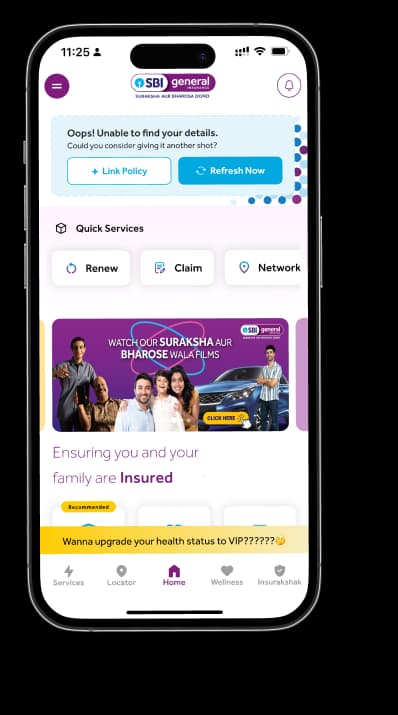
Access and manage all your Insurance Needs in one place, right at your Fingertips.



4/5*
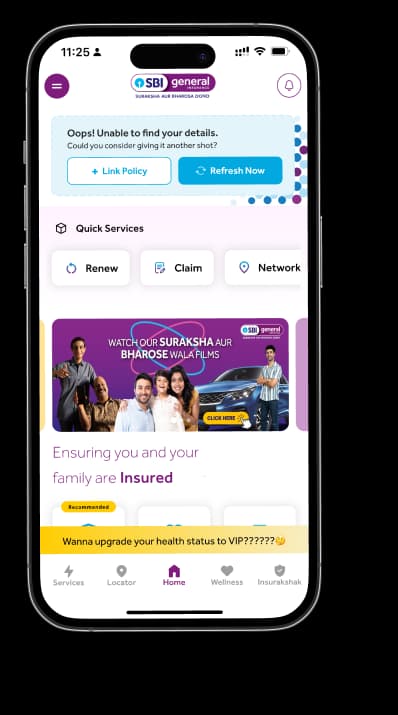
Access and manage all your Insurance Needs in one place, right at your Fingertips.


Vision
Our vision is to become the most trusted general insurer for a transforming India.
Mission
Our mission is to provide simple and innovative general insurance solutions, be responsive to our customers' needs and build a sustainable business for the future.
We're socially active!