


 Contact Us


 Other Insurance
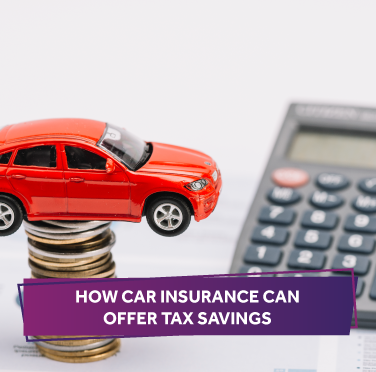
Tax Benefits of Car Insurance: What Vehicle Owners Should Know
Date: Jul 22, 2024 - Last Modified Oct 5, 2026


Car insurance is primarily purchased to protect against financial losses arising from accidents, theft, natural calamities, and other unforeseen events. However, many vehicle owners also wonder whether the premium paid towards car insurance offers any tax benefits.
The answer depends largely on how the vehicle is used. While car insurance premiums for personal-use vehicles generally do not qualify for car insurance tax deductions, there may be certain tax benefits available when the vehicle is used for business or professional purposes.
Is Car Insurance Tax Deductible in India?
In general, the premium paid for a privately owned car used for personal purposes is not eligible for a tax deduction under prevailing laws. However, if the vehicle is used exclusively for business or professional activities, the insurance premium may be treated as a business expense and claimed as a deduction, subject to applicable tax provisions.
This distinction is important because the tax treatment of car insurance depends not on the type of insurance policy purchased but on the purpose for which the vehicle is used.
Understanding the Tax Benefits of Car Insurance
The tax benefits of car insurance are generally available when the vehicle forms part of a business or professional activity.
For example, a consultant who regularly travels to meet clients, a self-employed professional who uses a vehicle for work-related visits, or a business that owns vehicles for operational purposes may be able to claim insurance premiums as a business expense, provided the vehicle is used for business purposes.
The deduction is available because insurance is considered an expense incurred in the course of running the business. Like fuel, maintenance, and repair expenses, insurance helps keep the vehicle operational and financially protected.
When Can Car Insurance Premiums Be Claimed as a Tax Deduction?
As per prevailing laws, tax deductions are applicable on car insurance premiums if:
Vehicle Used Exclusively for Business
If a vehicle is used solely for business or professional activities, the insurance premium paid for that vehicle may qualify as a deductible business expense.
Some examples include:
- Cars used by self-employed professionals for client visits
- Vehicles owned by businesses for operational activities
- Commercial vehicles used for transportation services
- Company-owned vehicles used exclusively for official work
In such cases, maintaining proper records and documentation is important to support the claim if required.
Commercial Vehicles
Commercial vehicles generally have a clearer connection to business activities. Since these vehicles are used for earning income or carrying out business operations, the associated insurance premium may be considered a business expense for tax purposes.
Some examples include:
- Taxis
- Delivery vehicles
- Goods carriers
- Fleet vehicles owned by businesses
Situations Where Tax Benefits Are Generally Not Available
Personal Vehicles
If a car is used for personal commuting, family travel, or other non-business purposes, the insurance premium paid for that vehicle is generally not eligible for a tax deduction.
Even though motor insurance is mandatory in India, as per the Motor Vehicle Act of 1988, the premium paid for personal vehicles does not fall under common deduction sections such as Section 80C.
Employer-Provided Vehicles Used Personally
A vehicle provided by an employer does not automatically qualify for tax deductions on insurance premiums if it is primarily used for personal purposes. The tax treatment depends on how the vehicle is structured within the employee compensation arrangement and the extent of official use.
Documents That May Help While Claiming a Car Insurance Tax Deduction
Tax deductions related to vehicle expenses often require supporting records. Some commonly maintained documents include:
- Car insurance premium receipts
- Policy documents
- Vehicle registration certificate
- Business expense records
Invoices for GST (if claiming ITC)
- Financial statements and accounting records
Proper documentation helps demonstrate that the expense was incurred for business purposes.
Common Misconceptions About Car Insurance Tax Benefits
When it comes to car insurance tax benefits, there is often a gap between common assumptions and actual tax provisions. Knowing the difference is important for better compliance and planning.
#1 Personal car insurance premiums qualify for tax deductions
Not necessarily. In most cases, premiums paid for vehicles used purely for personal purposes are not eligible for tax deductions. Tax benefits are generally linked to business or professional use of the vehicle.
#2 GST paid on car insurance can always be claimed as Input Tax Credit (ITC)
This is subject to specific conditions. ITC on car-related expenses may be available only in certain situations permitted under GST regulations, particularly when the vehicle is used for eligible business activities.
#3 Insurance premiums for luxury vehicles are automatically deductible
The value of the vehicle alone does not determine tax eligibility. The availability of a deduction generally depends on how the vehicle is used and whether the expense qualifies under applicable tax provisions.
Also Read: GST On Car Insurance
Things to Consider Before Claiming a Tax Deduction
Before claiming a car insurance tax deduction, it may be useful to:
- Confirm whether the vehicle qualifies as a business asset.
- Maintain records showing business use of the vehicle.
- Preserve insurance receipts and policy documents.
- Consult a tax advisor when required.
- Review the latest tax provisions applicable to the relevant financial year.
A well-documented approach can help ensure that deductions are claimed appropriately and in accordance with tax regulations.
Conclusion
Car insurance plays an important role in protecting vehicle owners from unexpected financial losses. While insurance premiums for personal-use vehicles are generally not eligible for tax deductions, tax benefits of car insurance may be available when the vehicle is used for business or professional purposes. Understanding the distinction between personal and business use, maintaining proper records, and staying informed about applicable tax provisions can help vehicle owners make more informed financial decisions.
A suitable motor insurance policy from SBI General Insurance can help vehicle owners stay financially protected while meeting their insurance requirements with confidence.
Note: This article is for informational purposes only and should not be considered tax advice. Taxpayers are advised to consult a licensed financial expert before proceeding with financial decisions. Tax benefits are subject to change in tax laws as well as terms and conditions.
FAQs
1. Are car insurance premiums tax-deductible?
Car insurance premiums are generally not tax-deductible for personal-use vehicles. However, they may qualify as a business expense if the vehicle is used for business or professional purposes.
2. What are the tax benefits of car insurance in India?
The primary tax benefit arises when a vehicle is used for business activities. In such cases, insurance premiums may be claimed as a deductible business expense, subject to applicable tax rules.
3. Can self-employed individuals claim car insurance tax benefits?
Yes, self-employed individuals may be able to claim insurance premiums as a business expense if the vehicle is used for professional purposes and appropriate records are maintained.
4. Is commercial vehicle insurance eligible for tax exemption?
Insurance premiums paid for commercial vehicles used in business operations may generally be treated as deductible business expenses, subject to applicable tax provisions.
This blog is intended solely for educational and informational purposes. Content reflects data at time of publication and may not accurately reflect current premiums, terms, or regulations. Readers are encouraged to confirm the accuracy and relevance of the data before making any significant decisions. SBI General Insurance disclaims responsibility for any errors or consequences arising from the use of outdated information provided herein. For more details, please refer to the policy wordings and prospectus before concluding the sales. *Add-ons are subject to payment of additional premium.
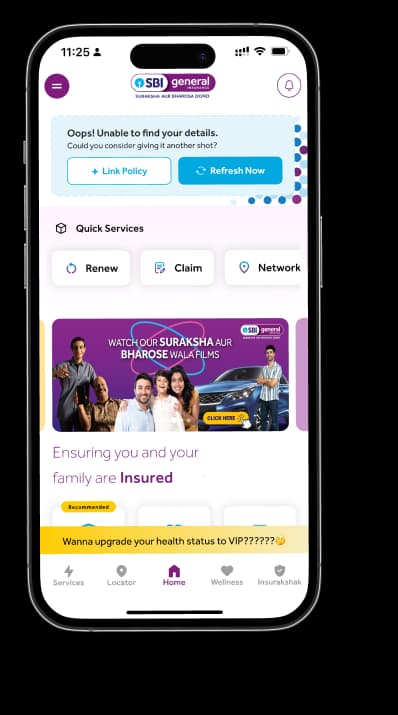
Access and manage all your Insurance Needs in one place, right at your Fingertips.



4/5*
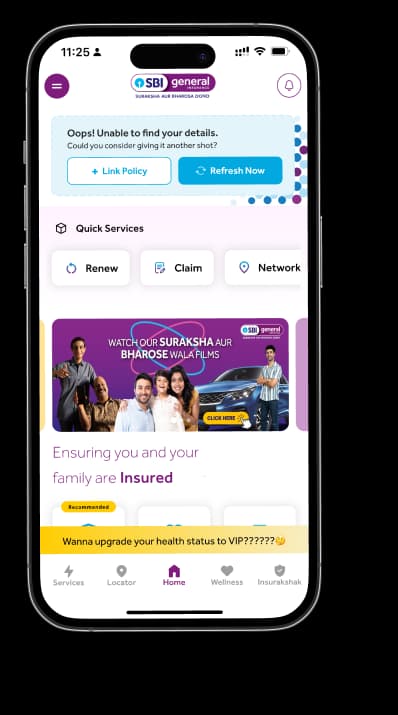
Access and manage all your Insurance Needs in one place, right at your Fingertips.


Vision
Our vision is to become the most trusted general insurer for a transforming India.
Mission
Our mission is to provide simple and innovative general insurance solutions, be responsive to our customers' needs and build a sustainable business for the future.
We're socially active!